


1930s–2010s
Boston's historic liquor license cap (1930s–2010s)
Boston limited the number of liquor licenses based on population quotas, creating a secondary market where downtown licenses sold for hundreds of thousands of dollars. This scarcity made it nearly impossible for small neighborhood restaurants to obtain a license.
Then
Downtown and tourist areas flourished, while many outer neighborhoods had few licensed restaurants.
Now
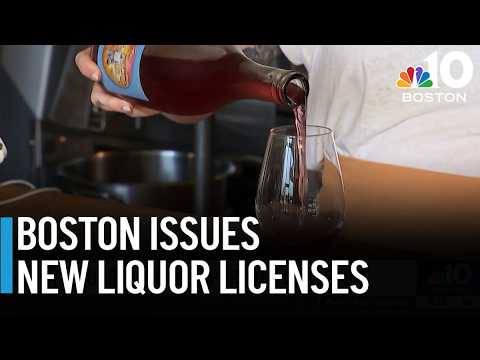
The disparity prompted the state legislature to grant Boston a pool of non-transferable licenses for outer zip codes, a structural shift aimed at rebalancing the city's dining landscape.
Why this matters now
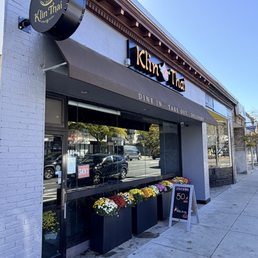
Explains why the new non-transferable licenses are a deliberate departure from the old model, and why Klin Thai's license matters beyond one restaurant.