

Pull to refresh
Logo
Boston removes takeout permit step, replaces licensing chair

Boston removes takeout permit step, replaces licensing chair

Rule Changes Boston, MA local

Mayor Wu's rule changes aim to cut new-restaurant approval from months to weeks

Overview

Updated 52 minutes ago

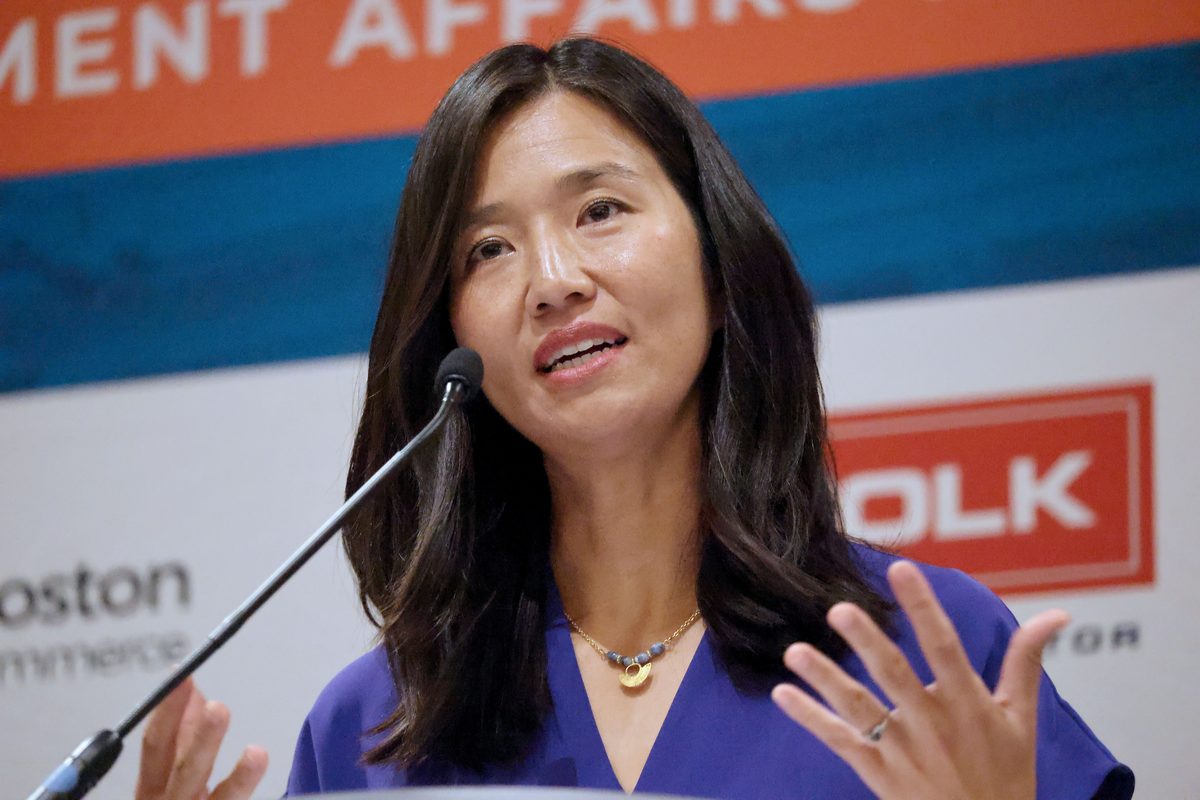
A new restaurant in Boston could open in two weeks instead of four months. Mayor Michelle Wu announced October 27 that the city will drop the zoning-board approval currently required for takeout service, cutting a major step from the permitting process.

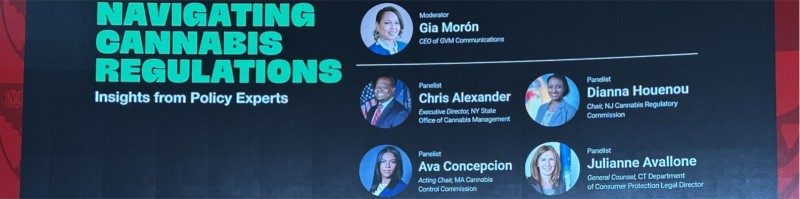
Wu also replaced the chair of the Boston Licensing Board, the body that grants food and liquor licenses. Ava Callender Concepcion, a former state cannabis regulator, takes over from Kathleen Joyce. The payoff: restaurateurs who now pay rent on empty space while waiting for permits could save tens of thousands of dollars.

Why it matters

Every month of permitting costs restaurateurs rent on empty space; cutting four months to two saves thousands before they serve a first meal.

Monday: what changed in Boston, MA

One short email a week with the openings, closings, permits and council votes we covered. Free. Unsubscribe in one click.

Questions about this story

Free account needed to ask — your question is kept and asked for you right after sign-up. Answers are public.

No questions yet — be the first to ask.

Key Indicators

4 months → 2 weeks
Projected restaurant permitting time
Wu says dropping the conditional takeout permit could cut approval from four months to two weeks.
1
Licensing Board chair replaced
Ava Callender Concepcion replaces Kathleen Joyce as chair.
3
Policy changes announced
Zoning updates for permit transfers, restaurants by right in commercial districts, and online startup guidance.

Voices

Curated perspectives — historical figures and your fellow readers.

Sign up to generate historical perspectives on this story.

People Involved

Organizations Involved

Timeline

2026 October 2026

2 events Latest: Today
  1. Wu announces restaurant licensing reforms and new board chair

    Today Policy announcement

    City drops conditional takeout permit, updates zoning, names Concepcion to head Licensing Board.

  2. Wu appoints Concepcion to licensing board

    Appointment

    Wu names a former state cannabis regulator to the Boston Licensing Board.

Scenarios

1

Boston's restaurant licensing reform takes effect as announced

Likely Resolves by Apr 27, 2027

Discussed by: City officials, per the announcement coverage; NBC Boston reported Wu's stated goal is to save owners 'time, money and stress.'

The zoning updates move through formal adoption, the conditional takeout permit is removed, and new-restaurant approval time falls toward the two-week target. Concepcion's board processes food and liquor licenses faster.

2

Zoning review stalls the restaurant licensing reform

Possible Resolves by Apr 27, 2027

Discussed by: The counterfactual to the city's projection; Boston zoning amendments require separate formal adoption that can lag.

The zoning code amendment allowing restaurants by right in commercial districts faces a long review or gets narrowed. The takeout permit stays, and approval times remain near four months.

3

Takeout permits speed up, full-service restaurants still wait

Possible Resolves by Apr 27, 2027

Discussed by: A partial-outcome scenario; the city's own framing focused on takeout permits, not liquor licenses.

The takeout fix works as promised, bringing those approvals to about two weeks. But liquor license processing stays slow, so full-service restaurants still wait months, limiting the overall impact on openings.

Historical Context

2 moments from history that rhyme with this story — and how they unfolded.

October 1978

Airline Deregulation Act (1978)

President Jimmy Carter signed the Airline Deregulation Act in October 1978, phasing out the Civil Aeronautics Board's control over which airlines could fly which routes at what fares. Within a few years, dozens of new carriers launched service.

Then

Airfares fell sharply and passenger volume rose; some new airlines went bankrupt, but the market expanded overall.

Now

The act became the model for later U.S. deregulation and showed that removing entry-point barriers can unlock waves of new businesses.

Why this matters now

Boston's licensing reforms attack the same barrier, the entry hurdle, for restaurants. If permitting time falls from months to weeks, the number of viable small openings should rise as it did for airlines after 1978.

October 1978

Homebrewing legalized (1978)

A federal law signed in October 1978 legalized homebrewing for personal use, ending a prohibition that had stood since the end of national Prohibition. The change, with later state-level relief for small brewers, let the modern craft beer industry form.

Then

The number of U.S. breweries grew from a handful of large operations to thousands of small craft producers over the following decades.

Now

A single rule change at the entry level enabled an entire industry of small producers to emerge.

Why this matters now

Boston is making a similar bet: removing a permit requirement for takeout could let more small restaurants, cafes, and bakeries open. The craft beer story shows the scale of change such a rule can unlock.

Sources

(3)