


Pull to refresh
Logo
Boston backs tax deferrals for four stalled apartment projects

Boston backs tax deferrals for four stalled apartment projects

Rule Changes Boston, MA local

First round of Mayor Wu's housing push targets a 30,000-unit construction backlog

Yesterday: BPDA board backs 121B tax agreements for four projects

Overview

Updated 1 hour ago

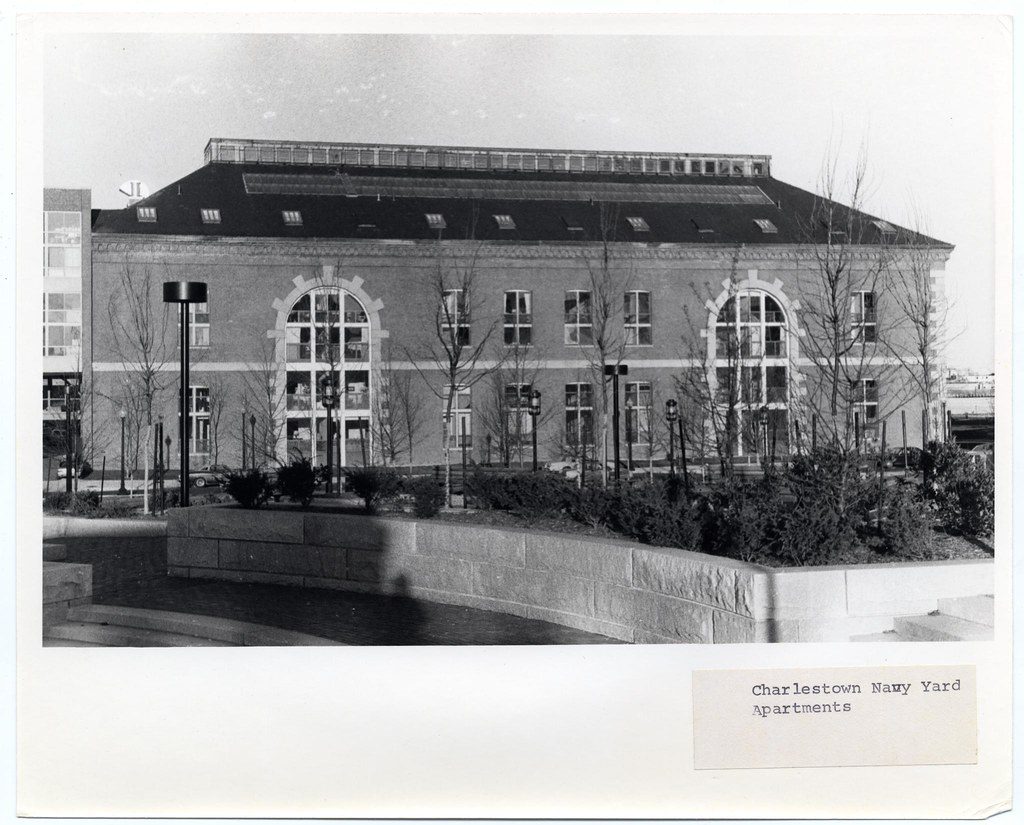
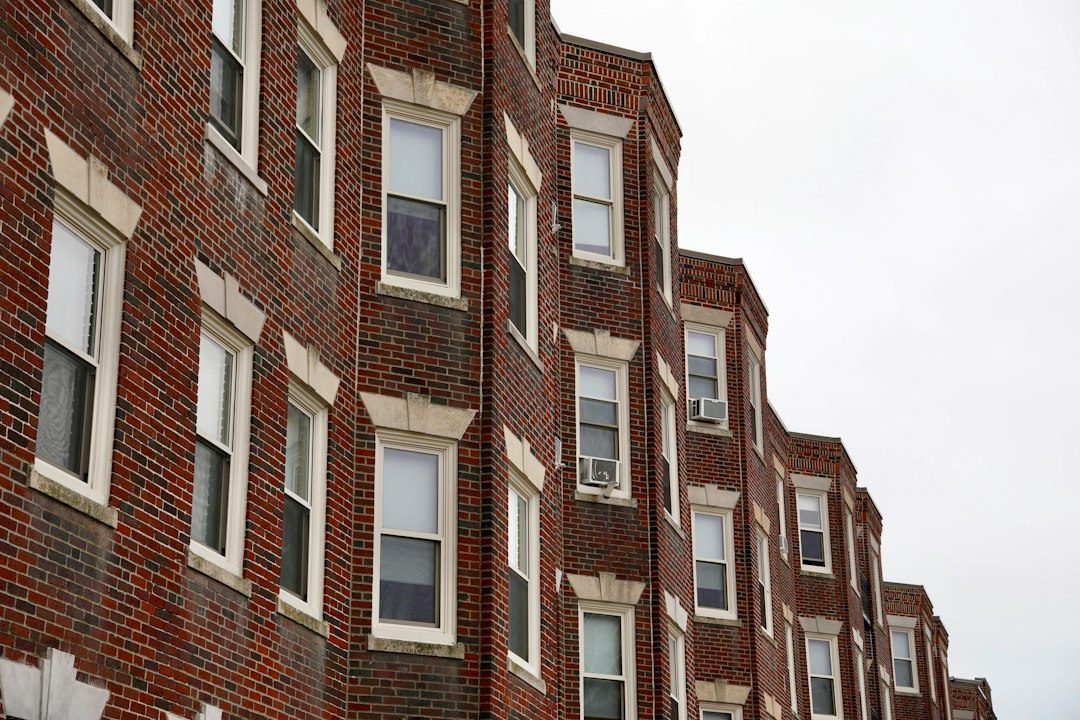
Boston's planning board voted Thursday to back property tax deferrals for four stalled apartment projects in Charlestown and Allston-Brighton. The Chapter 121B deals freeze taxes at current levels, deferring an estimated $31.5 million in payments until the buildings open.

Chapter 121B is a state urban-renewal provision that lets cities accept payments in lieu of property taxes. The vote is the first concrete step of Mayor Michelle Wu's September housing push, aimed at a backlog of roughly 30,000 approved but unbuilt units. Developers say high interest rates and construction costs make financing impossible, and the deferrals are designed to shift that math.

Why it matters

If these tax deferrals unlock Boston's stalled housing pipeline, the city could ease one of America's tightest housing markets.

Monday: what changed in Boston, MA

One short email a week with the openings, closings, permits and council votes we covered. Free. Unsubscribe in one click.

Questions about this story

Free account needed to ask — your question is kept and asked for you right after sign-up. Answers are public.

No questions yet — be the first to ask.

Key Indicators

4
Projects in first round
Four developments in Charlestown and Allston-Brighton received board backing for tax agreements.
1,400
Apartments planned
The four projects would add 1,400 apartments across two Boston neighborhoods.
$31.5M
Estimated tax deferrals
Property taxes frozen at current levels, escalating over 5-10 years after buildings open.
~30,000
Unbuilt approved units
Boston's backlog of approved housing units not yet constructed, per planning advisor Reuben Kantor.
10-12
Additional projects eligible
Projects that fit the criteria for similar 121B tax treatment, per the Planning Department.

Voices

Curated perspectives — historical figures and your fellow readers.

Ever wondered what historical figures would say about today's headlines?

Sign up to generate historical perspectives on this story.

People Involved

Organizations Involved

Timeline

September 2026 October 2026

6 events Latest: Yesterday
Tap a bar to jump to that date
  1. BPDA board backs 121B tax agreements for four projects

    Latest Board vote

    Board approves tax deferrals for projects in Charlestown and Allston-Brighton; Council President Liz Breadon speaks in favor.

  2. Second community meeting held

    Public meeting

    Planning Department provides more details on the four projects and the tax agreement terms.

  3. Planning Department holds first community meeting

    Public meeting

    First of two virtual community meetings about the four demonstration projects.

  4. Wu pitches housing push to Chamber of Commerce

    Speech

    Mayor Wu describes the plan and says the city is meeting with union pension funds about investing in projects.

  5. Administration shares 121B tax break details

    Announcement

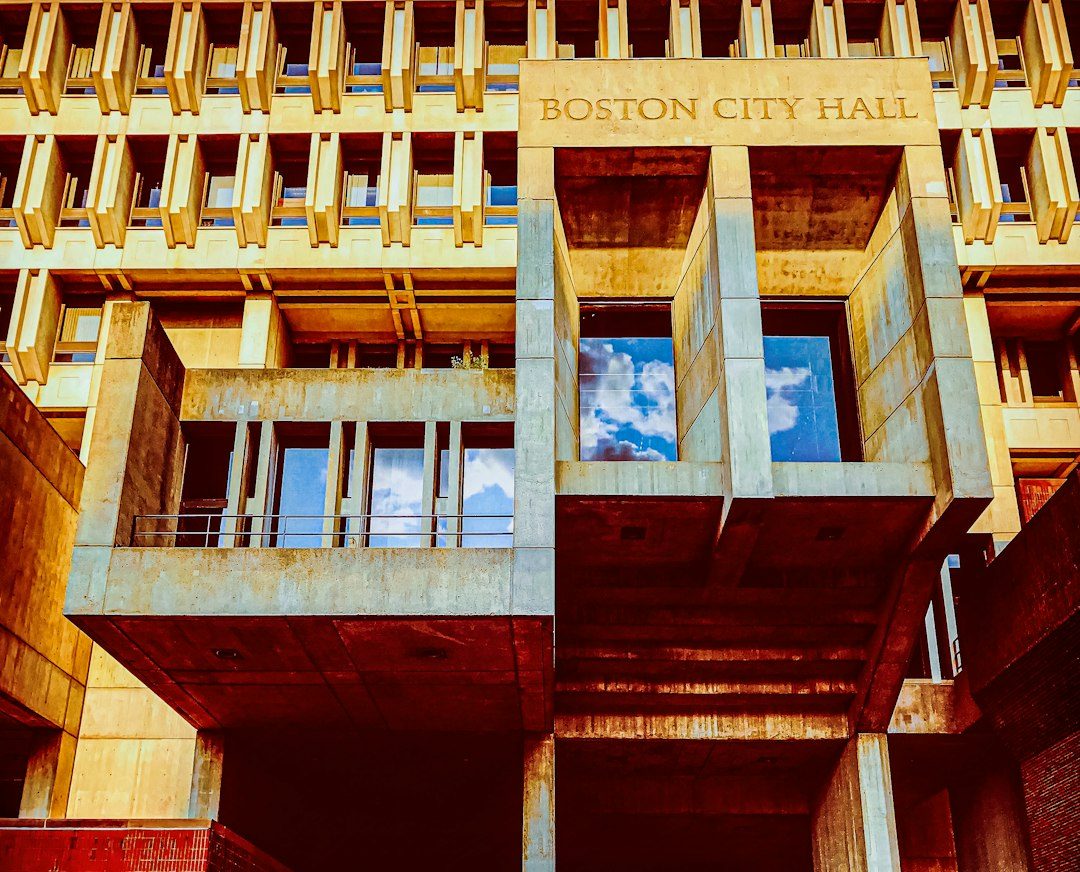
    City Hall press event outlines Chapter 121B property tax breaks as the main part of the housing plan.

  6. Globe reports Wu's unpublished housing plan

    Report

    Boston Globe article by Andrew Brinker reveals a draft plan targeting stalled housing construction.

Scenarios

1

Four stalled Boston projects break ground in 2027

Likely Resolves by Q1 2028

Discussed by: Reuben Kantor and city officials quoted in Banker & Tradesman

The 121B deferrals make financing viable, and all four projects start construction in 2027 as developers indicated they could. That validates the demonstration approach and sets up the 10 to 12 additional projects the Planning Department says fit the criteria. Because the deferrals delay rather than forgive taxes, the city sees no new property revenue from the sites until buildings open.

2

Boston expands 121B tax deals to more projects

Possible Resolves by Q1 2028

Discussed by: Reuben Kantor's testimony to the BPDA board, reported by Banker & Tradesman

The first round shows enough promise that the Planning Department extends 121B agreements to additional stalled projects. Kantor said 10 to 12 more developments fit the criteria, and the backlog includes large projects like Suffolk Downs and Dorchester Bay City that were excluded from this round. Expansion would test whether tax deferrals can move the broader 30,000-unit backlog.

3

Financing gap persists, two or more projects stall

Possible Resolves by Q1 2028

Discussed by: Developers who told the Planning Department they needed two to four times more support, per Reuben Kantor

The tax deferrals do not bridge the financing gap for all four projects. Kantor said some developers asked for two, three, or four times the announced support, which the city declined. If interest rates stay high, two or more projects could fail to secure financing, leaving the bulk of the backlog untouched and testing whether the program can scale.

Historical Context

2 moments from history that rhyme with this story — and how they unfolded.

2016

GE's Boston HQ tax deal (2016)

Boston offered GE roughly $25 million in city property tax breaks, plus state incentives, to move its global headquarters to the Seaport district. City and state leaders competed against other locations and won the relocation.

Then

GE opened its Boston headquarters in 2018, drawing thousands of workers to the Seaport.

Now

The deal came to symbolize Boston's use of tax incentives to catalyze development. It drew criticism when GE later reduced its Boston footprint as the company split apart.

Why this matters now

Like the 121B agreements, the GE package traded near-term tax revenue for promised economic benefits. Both show how Boston turns tax policy into a development tool.

January 2024

Massachusetts low-income housing tax credit round (2024)

Governor Maura Healey announced $138 million in state funding and $100 million in state and federal tax credits to support more than 1,900 housing units across 19 communities. Ninety percent of the units were income-restricted.

Then

The awards funded affordable housing projects statewide, continuing Massachusetts' heavy reliance on tax credits to produce below-market-rate homes.

Now

The tax credit system remains the state's main lever for affordable housing, separate from the city's new 121B deferrals for market-rate projects.

Why this matters now

Shows the state's established tax-based toolkit for housing production. The 121B agreements extend that approach at the city level, targeting market-rate projects where income-restricted credits don't apply.

Sources

(4)