



Pull to refresh
Logo
Yemeni coffee and bakery C'Yool opens in Boston's South End

Yemeni coffee and bakery C'Yool opens in Boston's South End

New Capabilities Boston, MA local

Owner of acclaimed Bab Al-Yemen brings qishr, mountain coffee, and wood-fired breads to Harrison Avenue

Today: C'Yool Yemeni Coffee & Bakery opens

Overview

Updated 1 hour ago

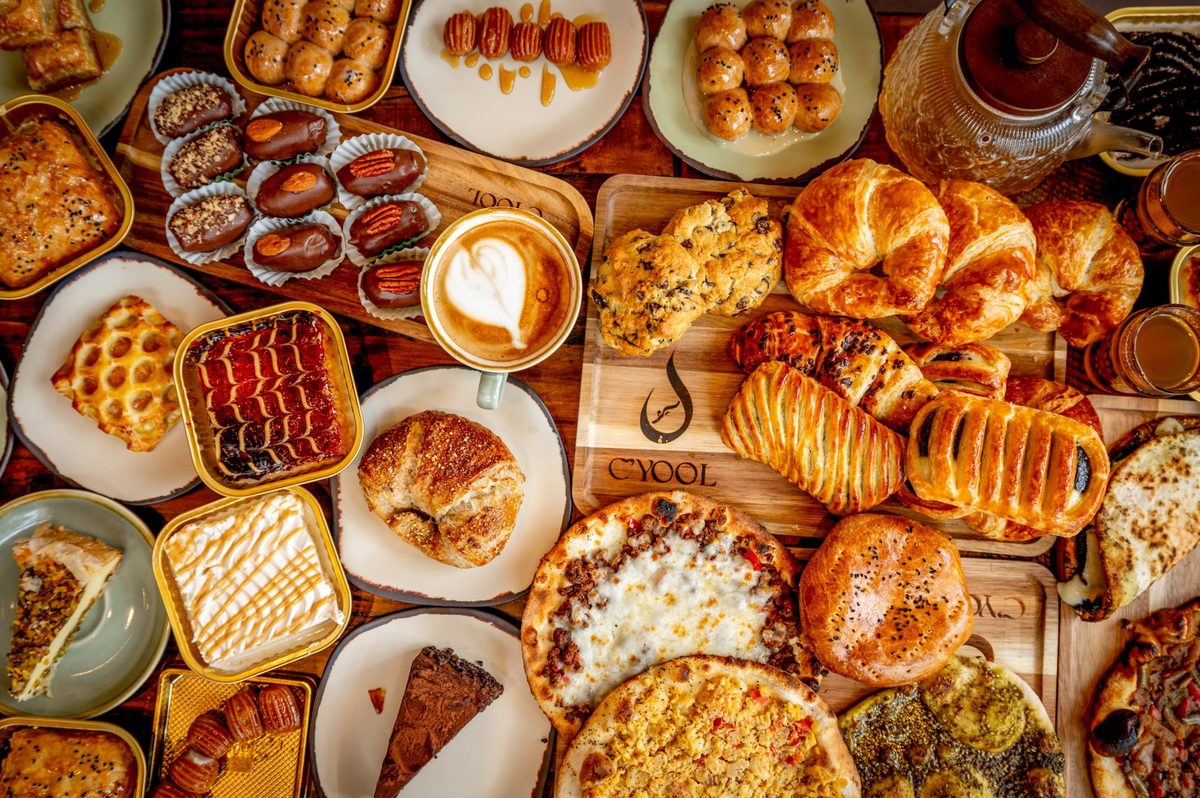
Harrison Avenue in Boston's South End has long been defined by European wine bars and brunch spots. This month it gains something different: a Yemeni coffee house and bakery serving qishr, a spiced drink made from coffee husks, and breads baked in a wood-fired oven.

C'Yool is the latest venture from Ahmed Mahmood, owner of the critically acclaimed Bab Al-Yemen restaurant. Yemeni highland farms are the original home of arabica coffee, yet that tradition rarely reaches American menus. This opening tests whether it can anchor a prime Boston storefront.

Why it matters

Yemeni coffee birthed the world's café culture yet rarely appears on American menus. This opening puts it in a prime Boston neighborhood.

Questions about this story

Free account needed to ask — your question is kept and asked for you right after sign-up. Answers are public.

No questions yet — be the first to ask.

Key Indicators

115
Seating capacity
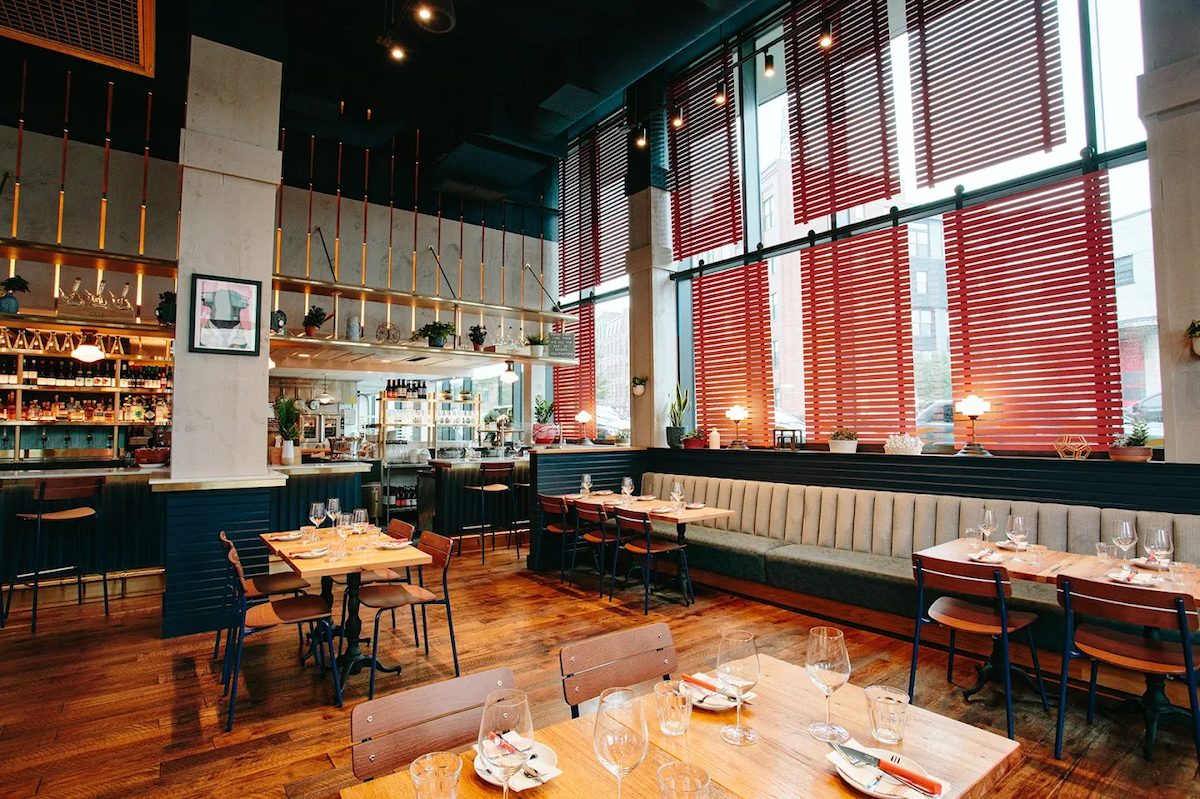
Approximate seating for the café, designed as a modern Yemeni village gathering space.
1
Yemeni coffee-and-bakery concepts in Boston's South End
First dedicated Yemeni café format on Harrison Avenue, a corridor dominated by European-style coffee shops.

Voices

Curated perspectives — historical figures and your fellow readers.

Ever wondered what historical figures would say about today's headlines?

Sign up to generate historical perspectives on this story.

People Involved

Organizations Involved

Timeline

1 event Latest: Today
  1. C'Yool Yemeni Coffee & Bakery opens

    Today Opening

    C'Yool opens at 600 Harrison Ave in the South End, replacing the former Atlántico space.

Scenarios

1

C'Yool becomes a lasting South End fixture

Possible Resolves by Sep 18, 2027

Discussed by: Local food press including Universal Hub and Boston Restaurant Talk

Steady traffic from the nearby SoWa arts district weekend markets and the neighborhood's residential density keep the café operating through its first full year. The format, a hybrid of specialty coffee and traditional baking, finds a regular customer base beyond the Yemeni community.

2

Mahmood expands beyond one location

Uncertain Resolves by End of 2027

Discussed by: Observers noting the Texas-based Arwa franchise entering Boston and Qahwah House's national growth

If C'Yool draws well, Mahmood replicates the format or opens another Yemeni concept in Greater Boston. National chains like Qahwah House have shown Yemeni coffee can scale, and the Arwa franchise's entry signals rising demand in Boston itself.

3

C'Yool closes within two years

Unlikely Resolves by Sep 18, 2028

Discussed by: General restaurant turnover patterns; most independent eateries close within a few years

Slow foot traffic on Harrison Avenue or high South End rent forces the café to shut down. Independent restaurants in prime neighborhoods face steep margins, and the venue's late-night, walk-in model depends on consistent volume.

Historical Context

2 moments from history that rhyme with this story — and how they unfolded.

2017–2020s

Qahwah House expansion (2017–2020s)

A Dearborn, Michigan coffee shop began serving Yemeni qishr, honeycomb bread, and mountain coffee. It grew into a chain with locations across the United States.

Then

Proved Yemeni specialty coffee could draw customers far beyond diaspora neighborhoods.

Now

Set a template for Yemeni cafés as scalable, stand-alone businesses.

Why this matters now

Shows what C'Yool could become if its format resonates with a general Boston audience.

1970s onward

Ethiopian coffee culture in Washington, D.C. (1970s–2000s)

Ethiopian immigrants opened cafés around the capital serving the traditional coffee ceremony. These became community anchors and introduced the brewing ritual to a broader American audience.

Then

Created lasting Ethiopian-owned institutions in the D.C. area.

Now

Helped diversify what American café culture looks like beyond European espresso formats.

Why this matters now

A precedent for an ethnic coffee tradition finding a mainstream audience while staying rooted in its home community.

Sources

(4)