

Pull to refresh
Logo
Justice Department moves to erase Bannon's conviction with no party opposing it

Justice Department moves to erase Bannon's conviction with no party opposing it

Rule Changes

A judge must decide whether to accept an unopposed request to undo a jury verdict, or appoint a lawyer to argue the other side

Overview

Updated 1 hour ago

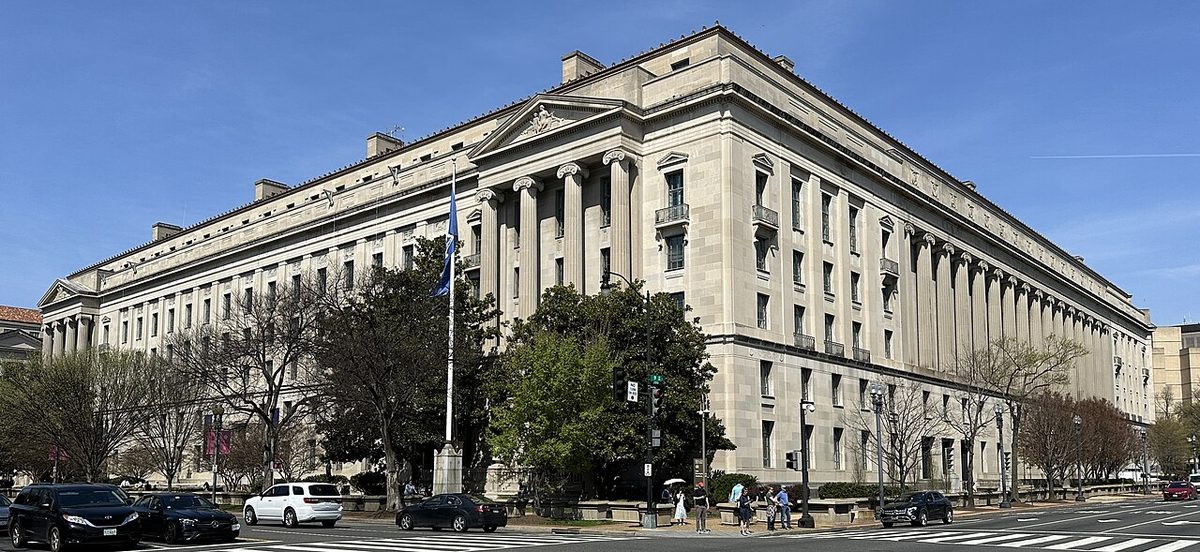
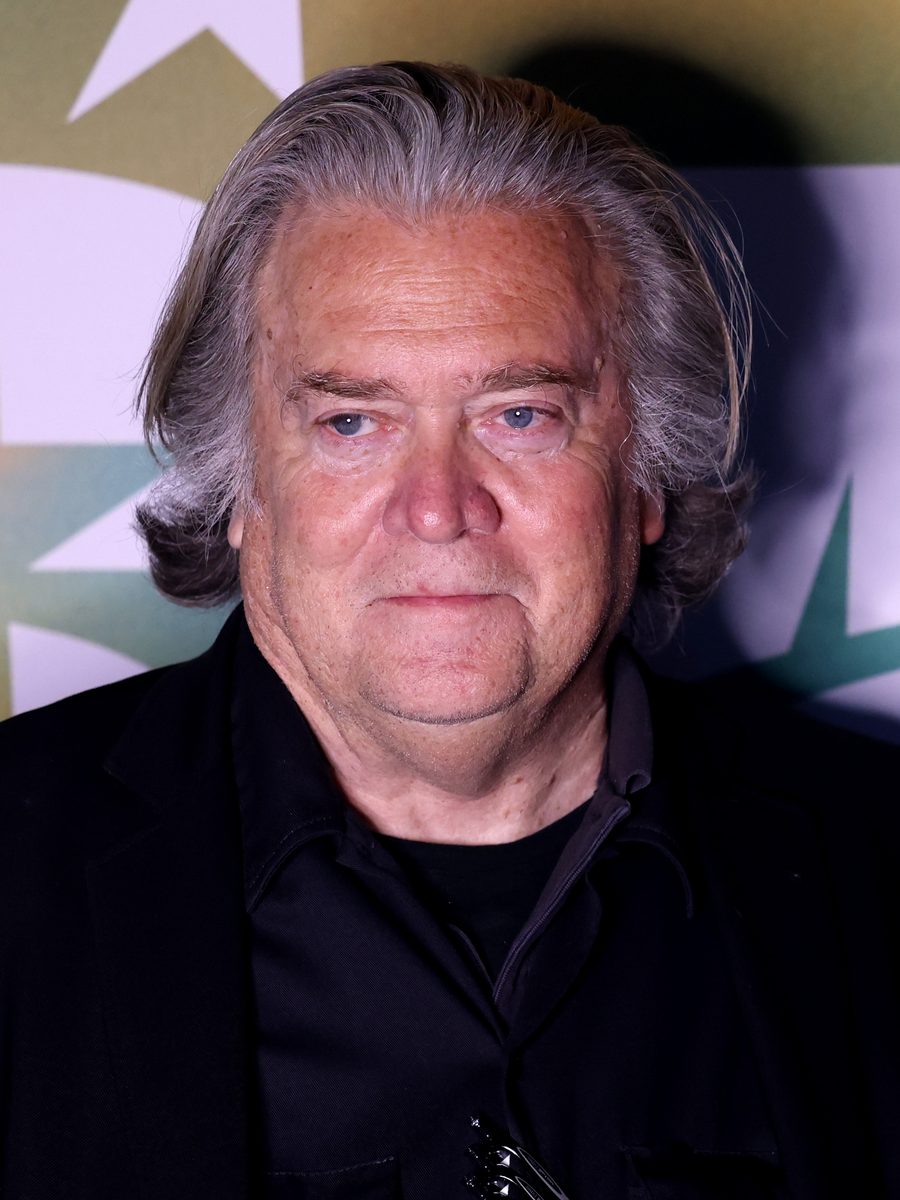
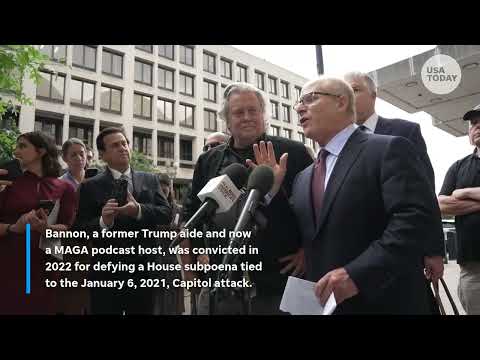
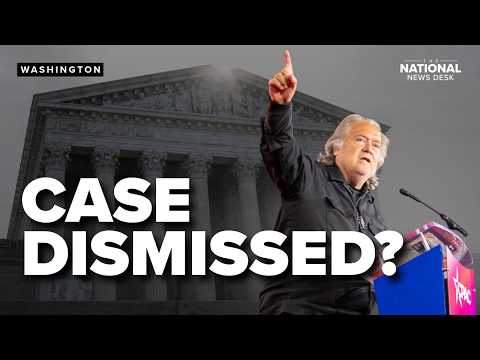
Steve Bannon was convicted by a jury in 2022 on two counts of contempt of Congress and served four months in prison. On November 5, 2026, the Justice Department asked the judge who presided over that trial to erase the conviction. Bannon's lawyers did not object.

That leaves the court with no opposing party. Judges facing similar requests in the cases of Michael Flynn and Eric Adams appointed outside lawyers to argue the other side. The Bannon motion tests whether that step happens again, or whether a verdict can be undone by agreement between the president's Justice Department and his political ally.

Why it matters

How judges handle unopposed requests to erase convictions decides whether jury verdicts can be undone by agreement between a president's Justice Department and his allies.

Questions about this story

Free account needed to ask — your question is kept and asked for you right after sign-up. Answers are public.

No questions yet — be the first to ask.

Key Indicators

2
Contempt of Congress counts
The number of counts on which a jury convicted Bannon in 2022.
4
Months Bannon served in prison
He reported to prison after the conviction and the appeals court upheld the verdict.
About 12
Oath Keepers and Proud Boys convictions targeted
Leaders and deputies whose convictions the department moved to vacate in April 2026.
0
Parties opposing the Bannon motion
Neither the Justice Department nor Bannon's lawyers want the conviction to stand.

Voices

Curated perspectives — historical figures and your fellow readers.

Sign up to generate historical perspectives on this story.

People Involved

Organizations Involved

Timeline

2022 November 2026

7 events Latest: Today
Tap a bar to jump to that date
  1. Critics challenge a dismissal with no opposing party

    Today Statement

    Former prosecutor Bruce Searby and Raskin's lawyers argue a court should hear from someone defending the verdict.

Scenarios

1

Nichols grants the motion and vacates Bannon's conviction

Likely Resolves by Q1 2027

Discussed by: The Justice Department, which argued the judge lacks authority to reject an unopposed motion

The department told the court its charging decision is committed to prosecutorial discretion and that the policy reasons for dismissal are not open to judicial second-guessing. If Nichols accepts that framing, the two counts disappear and the conviction is erased without any party arguing for the verdict. Courts have historically given prosecutors wide latitude over which cases to pursue.

2

Nichols appoints an outside lawyer to defend the verdict

Possible Resolves by Q1 2027

Discussed by: Bruce Searby and lawyers for Representative Jamie Raskin

Judges have named outside lawyers, called amicus curiae, to argue against dismissal in the Flynn and Adams cases. Raskin's attorneys told an appeals court that this is the established path when both parties want a case gone. If Nichols follows it, briefing would reopen and the department would face an argument it currently does not have to answer.

3

Nichols denies the motion and the conviction stands

Unlikely Resolves by Q2 2027

Discussed by: No party in the case; it is the outcome Searby's argument implies is available to the court

The judge could find that the department has still not given an adequate explanation, as he did in August, and refuse to disturb the jury's verdict. That would leave Bannon a convicted felon who has already served his sentence, and would set a limit on how far an unopposed dismissal can go in the D.C. federal court.

Historical Context

2 moments from history that rhyme with this story — and how they unfolded.

May-November 2020

Justice Department moves to drop the Michael Flynn case (2020)

Michael Flynn, Trump's former national security adviser, had pleaded guilty to lying to the FBI. The Justice Department then moved to drop the case. The trial judge, Emmet Sullivan, did not grant the request immediately; he appointed an outside lawyer to argue against dismissal.

Then

The case moved through appeals for months while the judge resisted a quick dismissal.

Now

Trump pardoned Flynn in November 2020, and the case was later dismissed. The episode established the amicus step as an available response to a politically charged dismissal request.

Why this matters now

It is the clearest precedent for what Raskin's lawyers and Searby are asking for now: a lawyer appointed to defend a conviction that neither party will defend.

September 1974

Ford pardons Richard Nixon (1974)

President Gerald Ford granted Richard Nixon a full pardon for crimes committed while in office, one month after Nixon resigned. No charge had been filed, and the pardon ended the prospect of prosecution before any court could rule.

Then

The pardon drew widespread criticism and Ford's press secretary resigned in protest.

Now

It established that executive action can end a case against a political ally without a court finding, and it shaped how the country debates accountability for presidents.

Why this matters now

The tool in 2026 is a dismissal motion rather than a pardon, but the effect is similar: the executive branch ending a case involving an ally before a court rules on the merits.

Sources

(7)