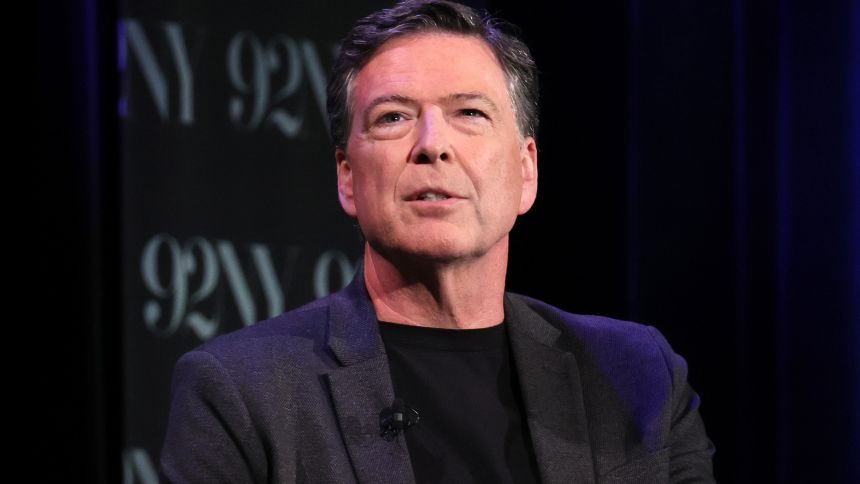
James Comey deleted an Instagram post within hours—a fifteen-character image of '8647' written above seashells. A North Carolina grand jury charged him with two counts of threatening the President over that same image. The April 28, 2026 indictment is the second federal case Trump's Justice Department brought against the former FBI Director; a Virginia case filed in September 2025 was dismissed when a judge ruled the interim prosecutor unlawfully appointed. Judge Louise Wood Flanagan issued an arrest warrant, though Comey may self-surrender, and he responded on Substack: 'I'm still innocent. I'm still not afraid.'
Trump replaced Attorney General Pam Bondi on April 2, 2026 (fired for mishandling the Epstein files and repeated failures to convict his adversaries) with Todd Blanche, his former personal criminal defense attorney, who is now acting attorney general. Comey is one of at least three former officials indicted since Trump returned: John Bolton (former security adviser, unlawfully retaining classified documents), Letitia James (mortgage fraud), and John Brennan (former CIA director, under investigation). Legal scholars have called the First Amendment questions in Comey's case a 'monumental challenge' that could reach the Supreme Court.