

Pull to refresh
Logo
Britain moves to require salary disclosure in job adverts

Britain moves to require salary disclosure in job adverts

Rule Changes

Prime Minister Andy Burnham urges voluntary pay transparency ahead of a mandatory law

Overview

Updated 1 hour ago

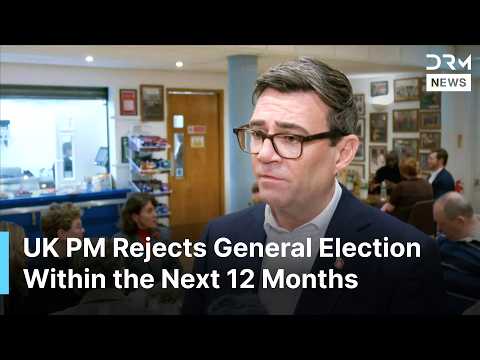
On 5 November 2026, Prime Minister Andy Burnham told UK employers to publish salaries in job adverts now, rather than wait for a law that will force them to. The government says it will bring legislation 'as soon as possible.'

Supporters say upfront pay helps first-time jobseekers and exposes unjustified gaps; 94% of consultation respondents backed greater transparency. Business groups warn that fixed advert salaries can clash with existing staff pay and limit flexibility to negotiate.

Why it matters

If the law passes, UK job adverts must show pay before you apply, changing how millions negotiate wages.

Questions about this story

Free account needed to ask — your question is kept and asked for you right after sign-up. Answers are public.

No questions yet — be the first to ask.

Key Indicators

94%
Consultation support
Share of respondents to the Cabinet Office consultation who backed greater pay transparency.
51%
Adzuna adverts with pay
Share of adverts on jobs site Adzuna that listed salary information in September 2026.
42%
Adverts without pay
Share of UK job adverts that omitted salary information over the past 12 months, per CV-Library.
41%
Jobseekers who skip unpaid adverts
Share who would refuse to apply for a role without a listed salary, up from 38% in 2025.
1,000,000
Young people not in work or training
Approximate number of people aged 16-24 not in education, employment or training, which the policy aims to reduce.

Voices

Curated perspectives — historical figures and your fellow readers.

Sign up to generate historical perspectives on this story.

People Involved

Organizations Involved

Timeline

2026 November 2026

4 events Latest: Yesterday
Tap a bar to jump to that date
  1. Burnham urges voluntary salary disclosure

    Latest Announcement

    The Prime Minister asks firms to publish pay now, ahead of a mandatory law.

  2. Government cites 94% consultation support

    Statement

    Officials say respondents overwhelmingly backed greater pay transparency.

  3. Equality watchdog backs salary disclosure

    Statement

    The EHRC says adverts should show pay and employers should answer pay questionnaires.

  4. Cabinet Office opens pay transparency consultation

    Consultation

    The government consults on pay and reducing discrimination in hiring.

Scenarios

1

Parliament passes a pay-disclosure law

Likely Resolves by End of 2028

Discussed by: UK government; BBC News; International Employment Lawyer

The government drafts a bill requiring employers to publish pay or a pay range in job adverts. It clears the Commons and Lords and receives Royal Assent, with enforcement details set out in secondary legislation. Business groups win transitional periods but the core duty survives.

2

Voluntary disclosure rises and the law slips

Possible Resolves by End of 2027

Discussed by: CIPD; Make UK; employer groups

Firms respond to the Prime Minister's call and salary disclosure rates climb without legislation. Competing priorities push the bill down the queue, and the government points to voluntary progress instead of legislating. The mandatory pledge remains unfulfilled.

3

Law passes with broad exemptions

Possible Resolves by End of 2028

Discussed by: Make UK; CIPD; parliamentary observers

The bill reaches Royal Assent but exempts small employers or allows unusually wide pay ranges. Supporters call it a start; critics say the exemptions hollow out the disclosure duty and leave most applicants guessing.

Historical Context

3 moments from history that rhyme with this story — and how they unfolded.

2023-2026

EU Pay Transparency Directive (2023)

The European Union adopted Directive 2023/970, requiring employers to give job applicants the initial pay or a pay range before an interview and banning questions about salary history. Member states must transpose it into national law by June 2026.

Then

EU countries began drafting national disclosure rules, and employers started reviewing advert practices.

Now

The directive set a disclosure benchmark that non-EU governments, including the UK, now cite when proposing similar rules.

Why this matters now

The UK government explicitly points to the EU measures as a model, so the British proposal follows a template already moving through Europe.

January 2021

Colorado Equal Pay for Equal Work Act (2021)

Colorado became the first US state to require employers to list pay ranges in job postings. Companies responded by posting wide ranges or, in some cases, listing roles as open to remote work to avoid the rule.

Then

Compliance was uneven, and some employers posted ranges spanning tens of thousands of dollars.

Now

California, New York and Washington adopted similar posting requirements, and wide ranges became a common workaround.

Why this matters now

It shows how employers adapt to disclosure mandates, including the wide-range tactic that UK critics warn about.

April 2017

UK gender pay gap reporting (2017)

The UK began requiring employers with 250 or more staff to publish annual gender pay gap figures. Compliance was high, but the data showed gaps persisting across most sectors.

Then

Employers published figures, and many added explanatory narratives.

Now

Reporting became routine, but critics said disclosure without action plans changed little on its own.

Why this matters now

It is the closest UK precedent for pay transparency and a reminder that disclosure alone may not close gaps.

Sources

(5)