

Pull to refresh
Logo
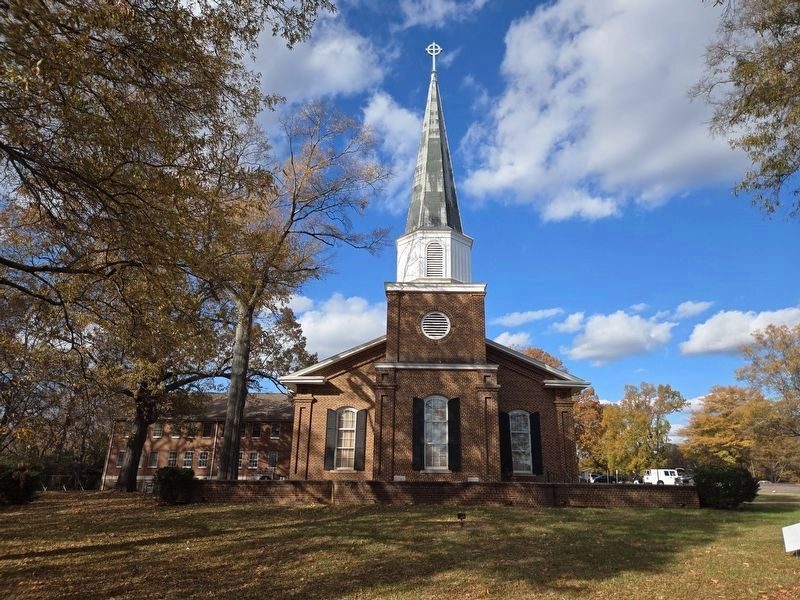
Charlotte weighs historic landmark status for Sugaw Creek Presbyterian cemeteries

Charlotte weighs historic landmark status for Sugaw Creek Presbyterian cemeteries

Rule Changes Charlotte, NC local

City council voted September 28 to designate both cemeteries as historic landmarks

September 28th, 2026: Charlotte City Council public hearing and vote

Overview

Updated 2 days ago

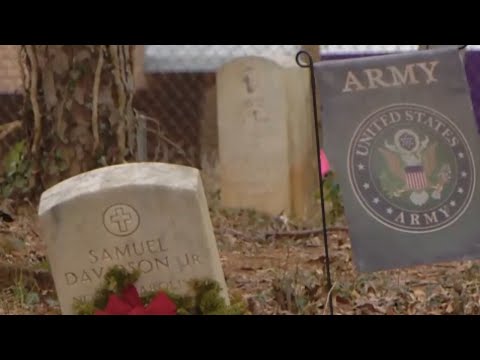
Charlotte's city council voted September 28 to designate both Sugaw Creek Presbyterian Church cemeteries as historic landmarks. The vote was unanimous, according to the Charlotte Mercury.

The designation protects the cemeteries and everything on the two tax parcels. But the unmarked burial grounds where researchers believe more than 500 enslaved people are buried were not explicitly included. Julia Robinson Moore, who led the research, asked for that and it wasn't taken up.

Why it matters

The designation protects the cemeteries, but the unmarked graves of more than 500 enslaved people remain outside the protected boundary.

Monday: what changed in Charlotte, NC

One short email a week with the openings, closings, permits and council votes we covered. Free. Unsubscribe in one click.

Questions about this story

Free account needed to ask — your question is kept and asked for you right after sign-up. Answers are public.

No questions yet — be the first to ask.

Key Indicators

2
Cemeteries designated
Both Sugaw Creek Presbyterian Church cemeteries received historic landmark status on September 28, 2026.
1755
Church founded
Sugaw Creek Presbyterian Church was founded in 1755, the oldest extant church congregation in Mecklenburg County.
500+
Enslaved people in unmarked graves
Researchers identified more than 500 enslaved people believed buried in unmarked graves outside the cemeteries. Those graves were not included in the designation.

Voices

Curated perspectives — historical figures and your fellow readers.

Ever wondered what historical figures would say about today's headlines?

Sign up to generate historical perspectives on this story.

People Involved

Organizations Involved

Timeline

2 events Latest: September 28th, 2026 · 1 week ago
  1. Charlotte City Council public hearing and vote

    Latest Public Hearing

    Council hears public testimony and decides whether to designate the Sugaw Creek Presbyterian Church cemeteries as historic landmarks.

  2. City Council designates both Sugaw Creek cemeteries as historic landmarks

    Government Decision

    Council voted to designate both cemeteries as historic landmarks. The unmarked burial grounds for enslaved people were not explicitly included in the designation.

Scenarios

1

Council designates both cemeteries as historic landmarks

Possible Resolves by Sep 28, 2026

Discussed by: Local preservation advocates and city staff recommendation

The city council approves the designation after hearing testimony in favor. The decision permanently restricts the church from altering or developing the burial grounds without city approval. This would be a precedent-setting move for private cemeteries in Charlotte.

2

Council denies landmark designation

Unlikely Resolves by Sep 28, 2026

Discussed by: Property rights advocates and church leadership

The council votes against the designation, allowing the church to retain full control over the property. The church could then pursue development, burial expansion, or other uses without city oversight related to historic preservation.

3

Council defers or splits the decision

Uncertain Resolves by Sep 28, 2026

Discussed by: Procedural watchers and council observers

The council postpones a final vote for further study, or approves one cemetery but not the other. A deferral would keep the property in limbo, giving both sides more time to negotiate or gather support.

Historical Context

One moment from history that rhymes with this story — and how it unfolded.

2015-2020

Charleston church preservation fights (2015-2020)

Several historic African American churches in Charleston, South Carolina, sought landmark protection as development pressure mounted. City council debates pitted preservationists against property owners who wanted to sell or redevelop.

Then

Some churches received protections; others did not, depending on local political makeup.

Now

These cases established that historic church properties in the South are arenas for broader debates about memory, development, and community control.

Why this matters now

The Sugaw Creek decision mirrors these tensions: a historic religious institution's land sits at the center of a city's preservation-versus-development debate.

Sources

(3)