
Pull to refresh
Logo
Chicago names Woodlawn street for civil rights leader Al Raby

Chicago names Woodlawn street for civil rights leader Al Raby

Rule Changes Chicago, IL local

The 1963 Freedom Day boycott organizer gets a street dedication and a city proclamation day

4 days ago: Street dedication

Overview

Updated 3 hours ago

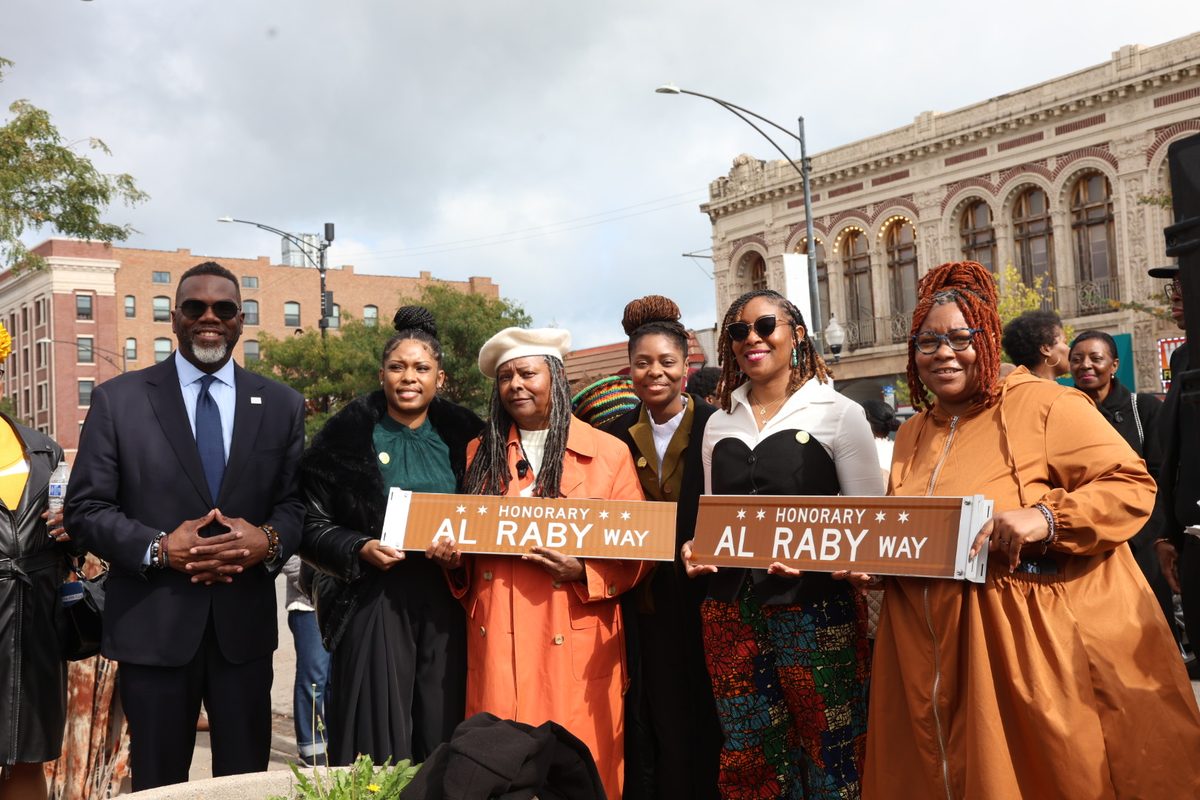
Chicago renamed a block of Cottage Grove Avenue in Woodlawn after Al Raby, the civil rights leader who organized the 1963 Freedom Day school boycott. The dedication on Oct. 16, 2026, came with a proclamation from Mayor Brandon Johnson declaring Feb. 19, 2027, as Al Raby Day.

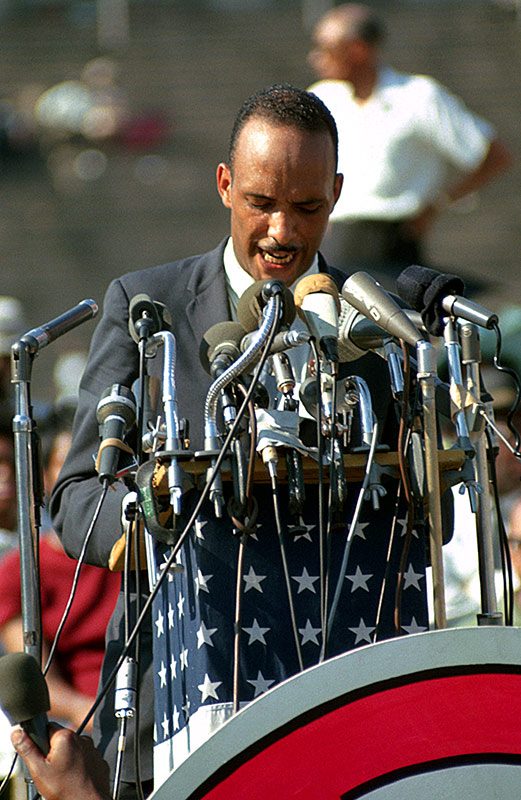
Raby spent 25 years organizing for school desegregation, fair housing, and political representation. He brought Martin Luther King Jr. to Chicago in 1966 and managed Harold Washington's 1983 mayoral campaign. The street dedication keeps his name in front of a neighborhood still shaped by the segregation he fought.

Why it matters

A street name keeps a civil rights leader's story in daily view for a neighborhood still shaped by the segregation he fought.

Monday: what changed in Chicago, IL

One short email a week with the openings, closings, permits and council votes we covered. Free. Unsubscribe in one click.

Questions about this story

Free account needed to ask — your question is kept and asked for you right after sign-up. Answers are public.

No questions yet — be the first to ask.

Key Indicators

~300,000
Students in 1963 Freedom Day boycott
Nearly 300,000 Chicago students stayed home to protest school segregation.
1
Street block renamed Al Raby Lane
Cottage Grove Avenue between 63rd and 64th streets.
63
Years between boycott and dedication
The 1963 boycott to the 2026 street dedication.

Voices

Curated perspectives — historical figures and your fellow readers.

Ever wondered what historical figures would say about today's headlines?

Sign up to generate historical perspectives on this story.

People Involved

Organizations Involved

Timeline

October 1963 October 2026

5 events Latest: 4 days ago
Tap a bar to jump to that date
  1. Street dedication

    Latest Honor

    Chicago names Cottage Grove block 'Al Raby Lane' and proclaims Al Raby Day.

  2. Raby dies

    Death

    Al Raby dies at age 55.

  3. Harold Washington campaign

    Political

    Raby manages campaign that elects Chicago's first Black mayor.

  4. Chicago Freedom Movement

    Movement

    Raby co-chairs movement with Martin Luther King Jr.

  5. Freedom Day boycott

    Protest

    Nearly 300,000 students stay home to protest segregated schools.

Scenarios

1

Al Raby Day becomes annual Chicago observance

Likely Resolves by Feb 19, 2027

Discussed by: Mayor Brandon Johnson's proclamation

The mayor's proclamation of Feb. 19, 2027, as Al Raby Day could become an annual observance if the City Council passes a resolution. The Al Raby Foundation and community groups would likely support such a measure.

2

Al Raby Foundation expands preservation work

Possible Resolves by End of 2027

Discussed by: Katanya Raby, Al Raby Foundation

The foundation plans to tell Raby's story in a holistic way for libraries, research institutions, and schools. It could announce new programs or partnerships to preserve his history.

3

Al Raby's story enters Chicago Public Schools curriculum

Possible Resolves by Q2 2027

Discussed by: Mayor Johnson's call for Chicagoans to learn about Raby

Mayor Johnson encouraged residents to spend Al Raby Day learning about Raby's life. The Al Raby Foundation plans to provide accurate information to schools. This could lead to CPS incorporating Raby's story into the curriculum.

Historical Context

3 moments from history that rhyme with this story — and how they unfolded.

October 1963

Freedom Day Boycott (1963)

On Oct. 22, 1963, nearly 300,000 Chicago students stayed home from school to protest segregation. The boycott was organized by Al Raby's Coordinating Council of Community Organizations and targeted Superintendent Benjamin Willis's use of mobile classrooms in Black schools.

Then

The boycott pressured the school board but did not remove Willis.

Now

It established Raby as a national civil rights figure and set the stage for the 1966 Chicago Freedom Movement.

Why this matters now

The boycott is the reason Raby is being honored with a street dedication.

February 2019

Ida B. Wells Drive renaming (2019)

Chicago renamed Congress Parkway after Ida B. Wells, the journalist and civil rights activist. The renaming was part of a broader effort to honor Black women in public spaces.

Then

The street was renamed with a ceremony attended by city leaders.

Now

It set a precedent for renaming major Chicago streets after civil rights figures.

Why this matters now

The Al Raby Lane dedication follows this pattern of honoring civil rights leaders with street names.

1970s-1980s

MLK Boulevard namings (1970s-80s)

Hundreds of US cities renamed streets after Martin Luther King Jr. in the decades after his assassination. The namings were often contested, with some cities renaming minor streets in Black neighborhoods.

Then

MLK Boulevards became common across the country.

Now

They became symbols of Black political power and reminders of the civil rights movement.

Why this matters now

Street namings are a lasting way cities preserve civil rights history, as with Al Raby Lane.

Sources

(4)