
Pull to refresh
Logo
CTA closes Loop 'L' tracks for weekend repairs amid State/Lake rebuild

CTA closes Loop 'L' tracks for weekend repairs amid State/Lake rebuild

Built World Chicago, IL local

Brown, Green, Orange and Pink line service disrupted from 4 a.m. Saturday to 4 a.m. Monday

Today: CTA announces weekend Loop track closure

Overview

Updated 1 hour ago

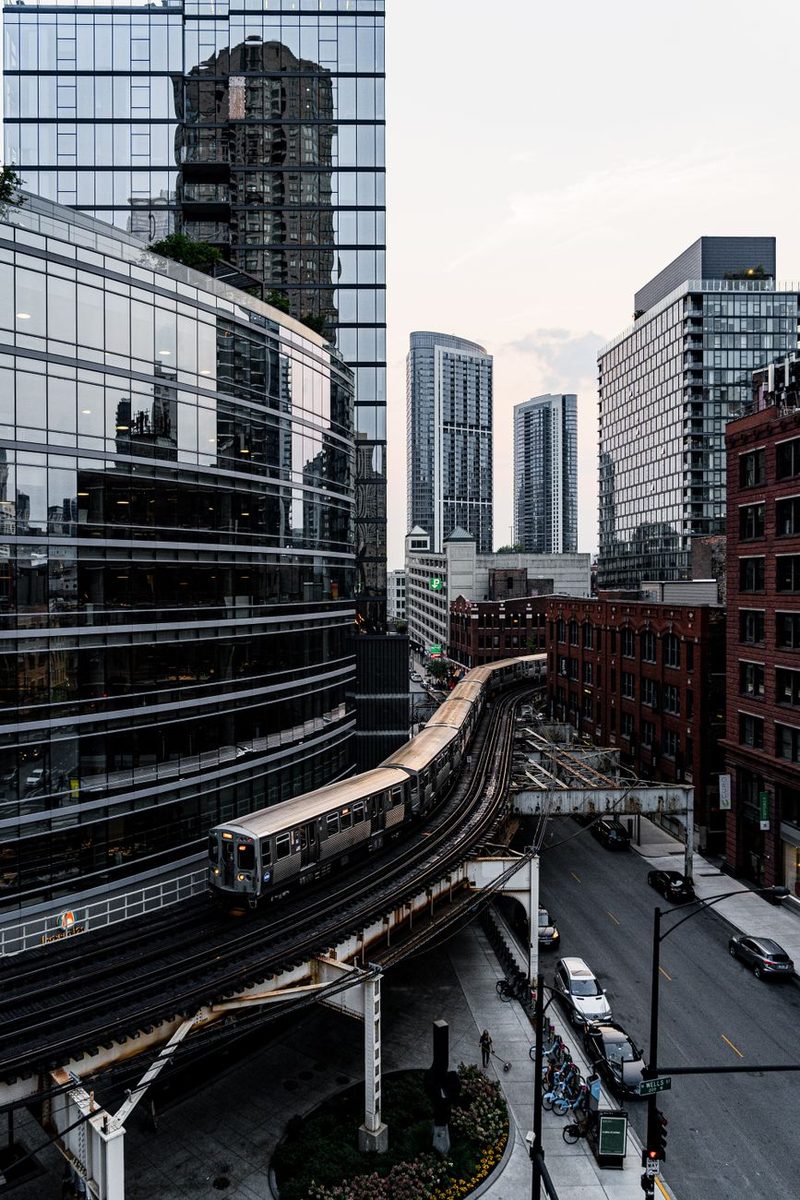
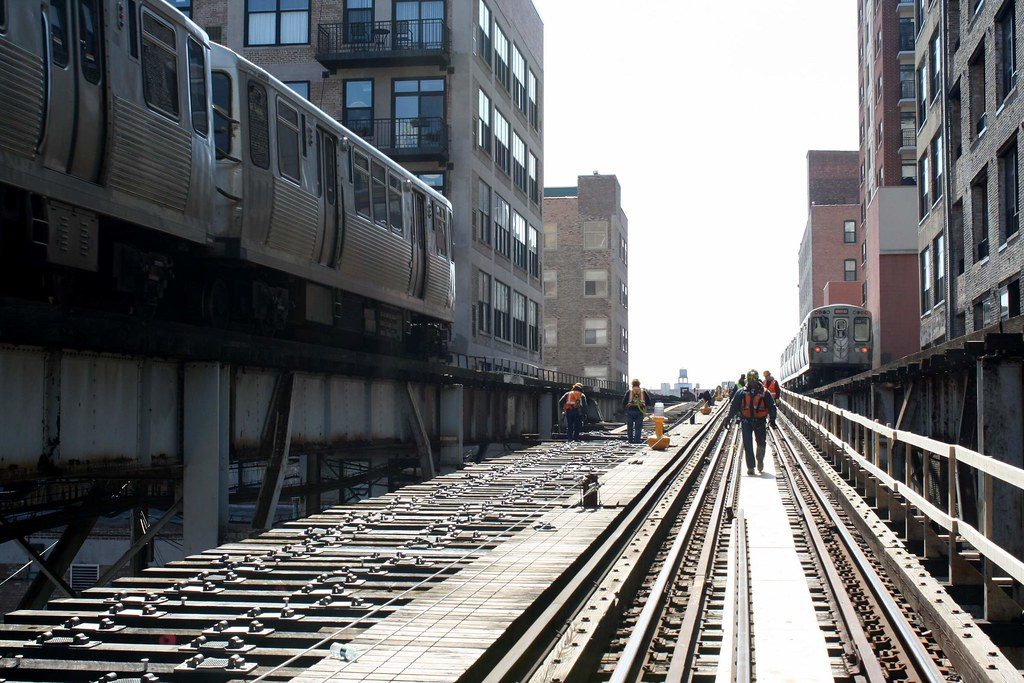
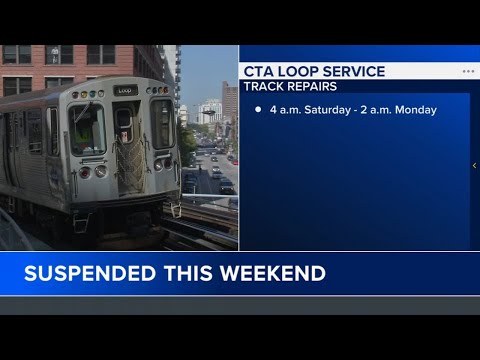
The Loop elevated has carried trains around downtown Chicago since the 1890s. This weekend the tracks shut down again, pulling Brown, Green, Orange and Pink line service off the downtown loop from 4 a.m. Saturday to 4 a.m. Monday.

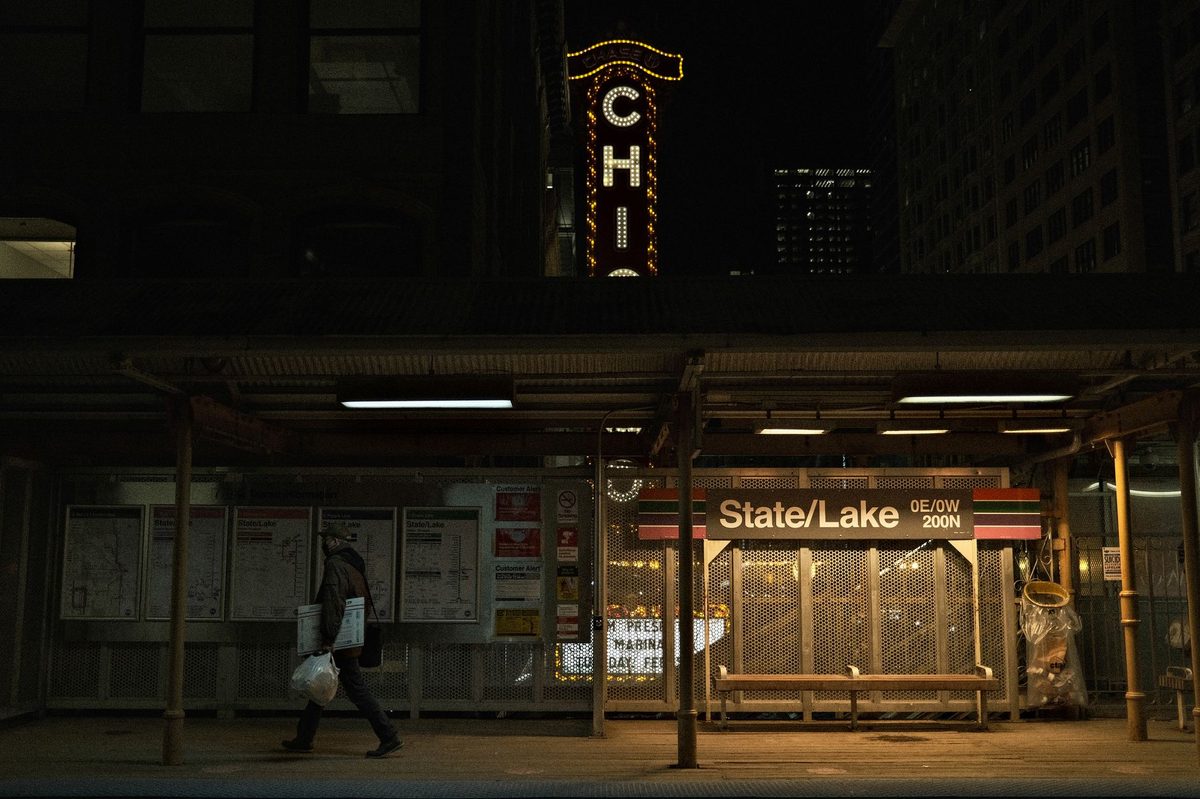
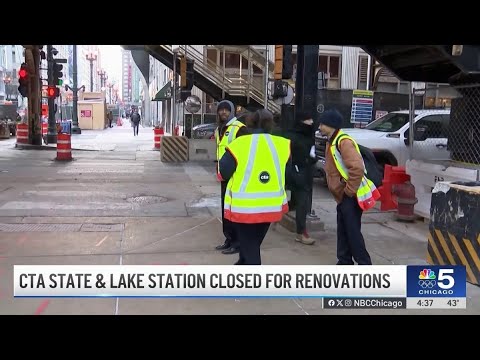
The closure follows similar weekend shutdowns this summer tied to the State/Lake station reconstruction. The project is rebuilding a station from 1895, one of CTA's busiest, and won't finish until 2029. Until then, weekend track work keeps interrupting Loop riders.

Why it matters

Four Loop 'L' lines lose weekend service for 48 hours, with more shutdowns likely until the State/Lake rebuild ends in 2029.

Monday: what changed in Chicago, IL

One short email a week with the openings, closings, permits and council votes we covered. Free. Unsubscribe in one click.

Questions about this story

Free account needed to ask — your question is kept and asked for you right after sign-up. Answers are public.

No questions yet — be the first to ask.

Key Indicators

4
Loop lines affected this weekend
Brown, Green, Orange and Pink line trains disrupted.
48 hrs
Closure length
4 a.m. Saturday to 4 a.m. Monday.
130
Age of State/Lake station
Originally built in 1895; among CTA's busiest stations.
2029
Projected new station completion
CDOT expects the rebuilt station to open in 2029.

Voices

Curated perspectives — historical figures and your fellow readers.

Ever wondered what historical figures would say about today's headlines?

Sign up to generate historical perspectives on this story.

Organizations Involved

Timeline

1895 October 2026

6 events Latest: Today
Tap a bar to jump to that date
  1. Loop 'L' track closure begins

    Upcoming Service disruption

    Scheduled: tracks close 4 a.m. Saturday through 4 a.m. Monday for repairs.

  2. CTA announces weekend Loop track closure

    Today Announcement

    CTA says Brown, Green, Orange and Pink lines will be affected from 4 a.m. Saturday to 4 a.m. Monday.

  3. Second State/Lake weekend closure

    Service disruption

    Same stations and lines affected for additional track and steel repairs.

  4. First State/Lake weekend closure

    Service disruption

    Loop stations close; Green, Brown, Orange and Pink lines rerouted for track work.

  5. State/Lake station closes for demolition

    Construction

    The 130-year-old station shuts down ahead of a full rebuild.

  6. State/Lake station opens

    Construction

    The elevated station opens as part of Chicago's Loop 'L'.

Scenarios

1

New State/Lake station opens on schedule in 2029

Likely Resolves by End of 2029

Discussed by: CDOT and CTA project documents; the July advisory states construction is expected to complete in 2029.

Construction proceeds on the current schedule. Weekend closures continue through 2028 as crews rebuild the track structure and station. The new State/Lake opens with elevators, wider platforms, and the glass canopy by late 2029.

2

State/Lake rebuild delayed past 2030

Possible Resolves by End of 2029

Discussed by: No city forecast of a delay; included because large transit projects commonly run late.

Unforeseen conditions slow the work. Steel in the 130-year-old structure turns out worse than expected, or supply and funding issues push the schedule. CDOT revises the completion date to 2030 or later, and riders face additional closures.

3

Structural issues force extended Loop shutdown

Unlikely Resolves by End of 2027

Discussed by: CDOT's own advisory notes crews are performing 'existing steel repairs,' signaling the structure needs ongoing attention.

Inspections during reconstruction reveal deterioration serious enough that weekend work won't cut it. CTA announces a longer closing, several weeks or a full segment, to replace major steel. That would mean bus bridges and major reroutes for Loop riders.

Historical Context

3 moments from history that rhyme with this story — and how they unfolded.

May–October 2013

CTA Red Line South reconstruction (2013)

CTA closed the Red Line's South branch for five months in 2013, a $425 million project to replace worn track and rebuild stations. Shuttle buses carried riders between Cermak-Chinatown and 95th Street for 21 weeks.

Then

The line reopened in October 2013 with new track, rebuilt stations, and faster trains.

Now

The success gave CTA a template for long, planned closures, showing that big shutdowns can be managed.

Why this matters now

State/Lake's weekend-by-weekend approach is the opposite strategy: keep the system running, do the work in short bursts. Both are ways to renew a century-old system.

August–September 2022

Boston MBTA Orange Line 30-day shutdown (2022)

Boston closed its entire Orange Line for 30 days in August 2022 to replace track, signals, and fix years of deferred maintenance. About 100,000 daily riders were moved to shuttle buses.

Then

Crews replaced miles of track and overhauled signals in one month, work that weekend closures would have stretched for years.

Now

The closure became a national example of the trade-off between long disruption and long-term reliability.

Why this matters now

Chicago's 48-hour closures fix smaller pieces of the same problem: an old elevated structure that can't be fully renewed in a single weekend.

2009–2020s

Toronto Union Station revitalization (2009–2020s)

Toronto spent more than a decade rebuilding its 1927 Union Station while keeping it open, renewing platforms, concourses, and the historic train shed in phases.

Then

Commuters put up with years of detours, crowding, and closed sections.

Now

The station ended up modernized and accessible, with its heritage exterior preserved.

Why this matters now

State/Lake uses the same playbook: keep the station's identity, rebuild it in phases, and accept years of disruption before the modern version opens.

Sources

(3)