
Pull to refresh
Logo
Prairie Park breaks ground on lighting and pathway after decade of community effort

Prairie Park breaks ground on lighting and pathway after decade of community effort

Built World Chicago, IL local

The 8.74-acre Morgan Park green space, once a school board lot, is getting $500,000 in improvements.

Overview

Updated 10 minutes ago

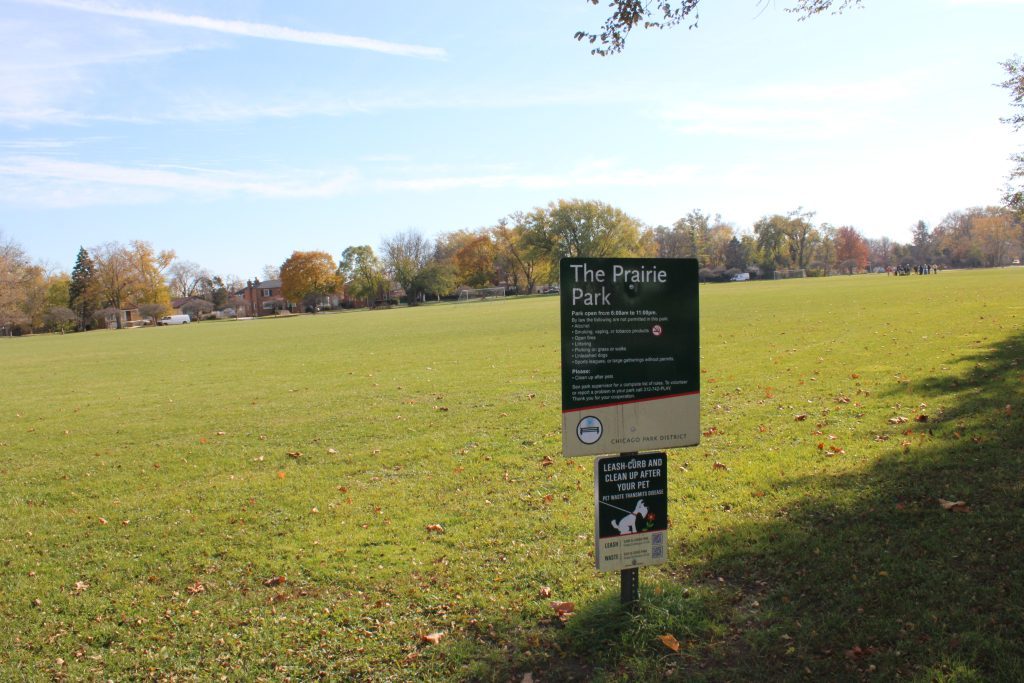
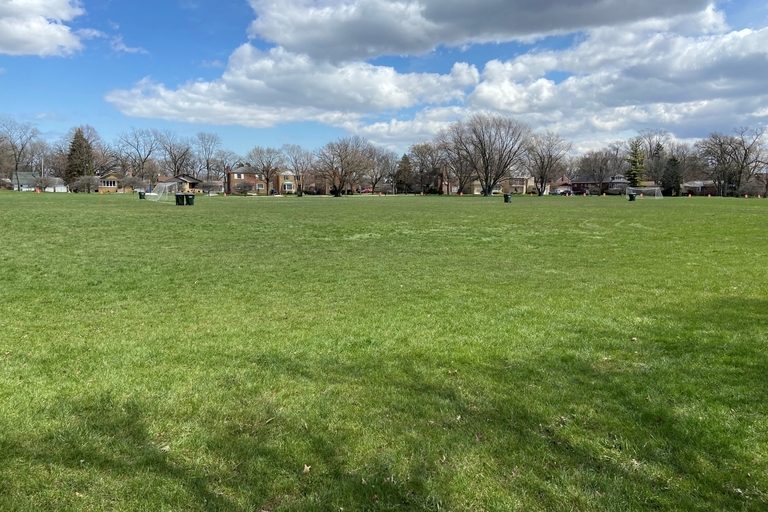
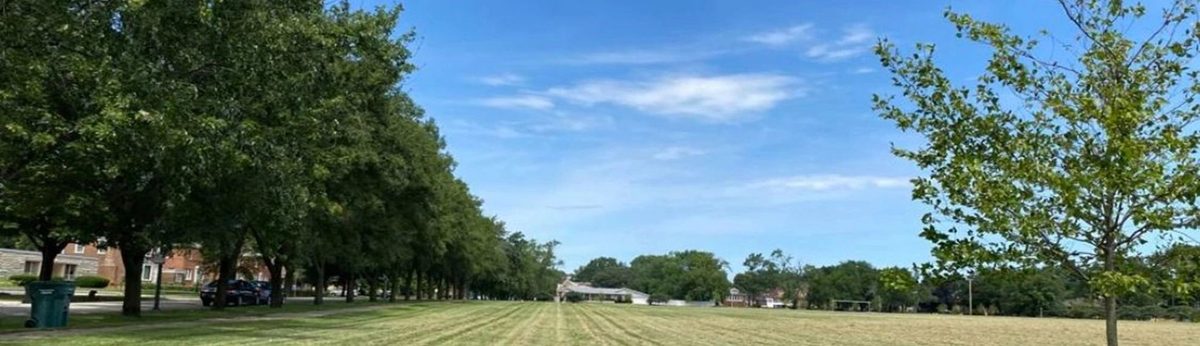
For decades, the 8.74-acre lot behind St. Walter Elementary School in Chicago's Morgan Park was an unofficial park where neighbors played soccer, walked dogs, and ice skated. On Thursday, construction crews broke ground on lighting, a pathway, and a water fountain that will make it an official, usable park.

The improvements, funded by a $500,000 state grant, are the latest step in a 14-year effort that began when developers tried to buy the land from the Chicago Board of Education. Neighbors responded by organizing, securing a land swap in 2016, forming an advisory council in 2021, and petitioning for the park's renaming in 2024.

Why it matters

The park's transformation shows how local advocacy can shape land use, but also how much depends on grants and political support.

Last Monday's email for Chicago, IL

Sent Nov 16. It carried:

Get next Monday's: one short email a week. Free. Unsubscribe in one click.

Questions about this story

Free account needed to ask — your question is kept and asked for you right after sign-up. Answers are public.

No questions yet — be the first to ask.

Key Indicators

8.74
Acres
The Prairie Park covers 8.74 acres in Morgan Park.
$500K
Build Illinois grant
State funding for lighting, pathway, and water fountain.
2016
Land swap year
Board of Education transferred the land to the Park District.

Voices

Curated perspectives — historical figures and your fellow readers.

Sign up to generate historical perspectives on this story.

People Involved

Organizations Involved

Timeline

2012 November 2026

7 events Latest: Yesterday
Tap a bar to jump to that date
  1. Groundbreaking for improvements

    Latest Construction

    Crews begin work on lighting, pathway, and water fountain at The Prairie Park.

  2. Park renamed The Prairie Park

    Community

    Advisory council successfully petitions to change the name from Park 581.

  3. $500,000 Build Illinois grant secured

    Funding

    State Rep. Justin Slaughter sponsors grant for lighting, path, and water fountain.

  4. Little Free Library installed

    Community

    PAC establishes a free book exchange at the park.

  5. Advisory council forms

    Community

    Neighbors create The Prairie Park Advisory Council to guide improvements.

  6. Land swap creates Park 581

    Land Use

    Board of Education transfers the 8.74-acre parcel to the Chicago Park District.

  7. Developers try to buy school lot

    Land Use

    Neighbors organize after 'for sale' signs appear on the Board of Education-owned lot.

Scenarios

1

Improvements completed by summer 2027

Likely Resolves by Q2 2027

Discussed by: Park District officials and advisory council members

Lighting is expected within weeks, with the pathway and fountain following over the next few months. If construction stays on schedule, the park will have all three amenities by mid-2027.

2

Lighting installed but pathway delayed to fall 2027

Possible Resolves by Q3 2027

Discussed by: No public predictions; based on typical construction timelines

The lighting is a smaller job and could be finished quickly. The pathway and water fountain require more extensive work, and weather or supply issues could push their completion past summer.

3

Project stalls due to funding or construction problems

Unlikely Resolves by End of 2027

Discussed by: None; no current indication

The grant is already secured, but unforeseen construction issues or cost overruns could halt work. This scenario is unlikely given the project's modest scope and strong community support.

Historical Context

2 moments from history that rhyme with this story — and how they unfolded.

1970s

New York City community gardens (1970s)

Facing budget cuts and vacant lots, New Yorkers turned abandoned parcels into community gardens. The city eventually formalized the GreenThumb program, protecting many gardens.

Then

Thousands of lots became gardens.

Now

The program remains the largest urban gardening program in the U.S.

Why this matters now

Shows how residents can reclaim unused public land for community benefit, similar to Morgan Park neighbors saving the school lot.

1999-2014

The High Line, New York (1999-2014)

A community group, Friends of the High Line, fought to preserve an abandoned elevated railway and convert it into a park. The city and private donors funded the transformation.

Then

The first section opened in 2009.

Now

The park spurred billions in nearby development and became a model for adaptive reuse.

Why this matters now

Illustrates the power of sustained community advocacy in creating public green space from neglected infrastructure.

Sources

(4)