
Pull to refresh
Logo
Chicago zoning committee advances 110-unit Kinzie Street development

Chicago zoning committee advances 110-unit Kinzie Street development

Built World Chicago, IL local

Range Group's five-story building clears its second city approval and heads to the full City Council

Overview

Updated 4 hours ago

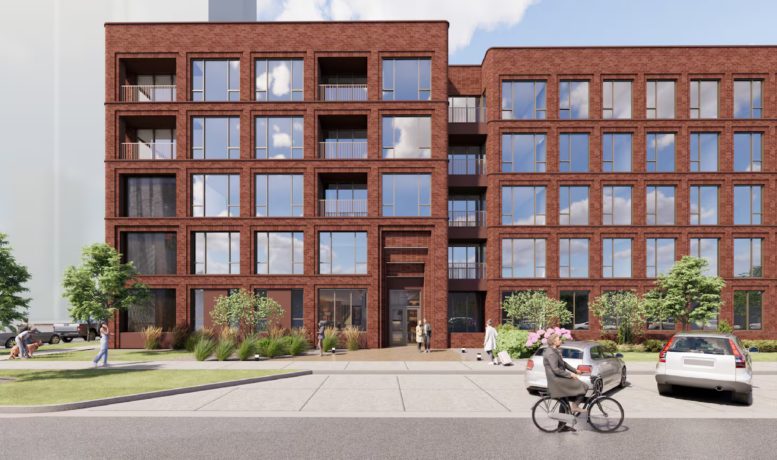
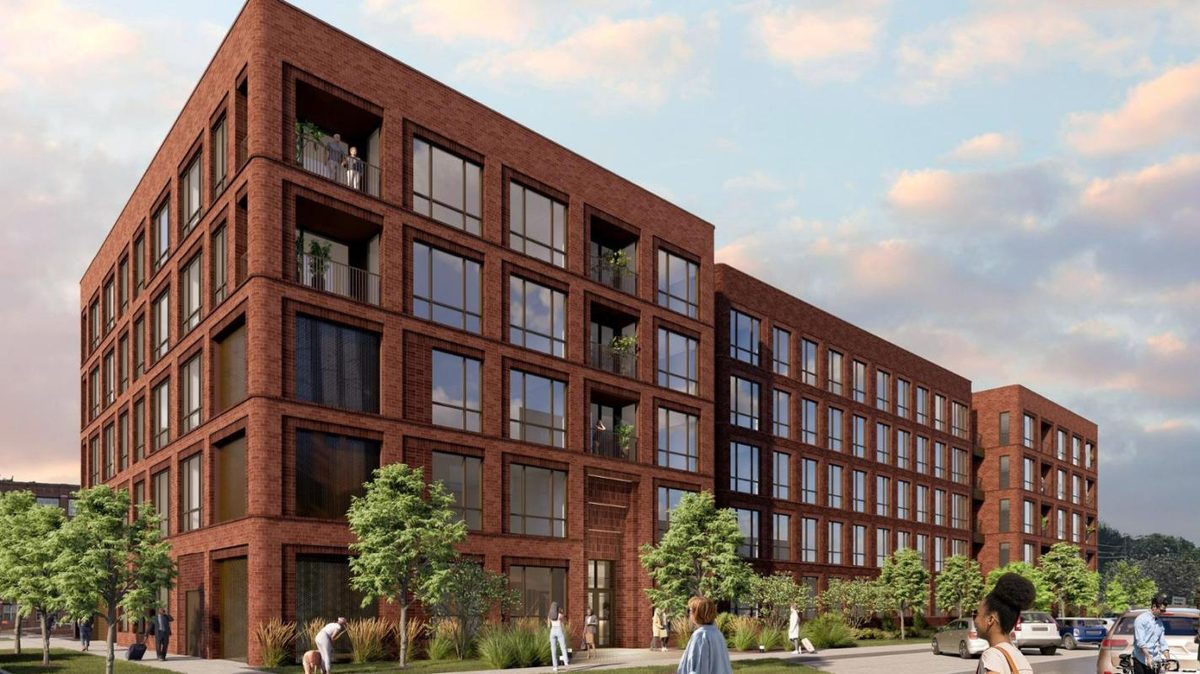
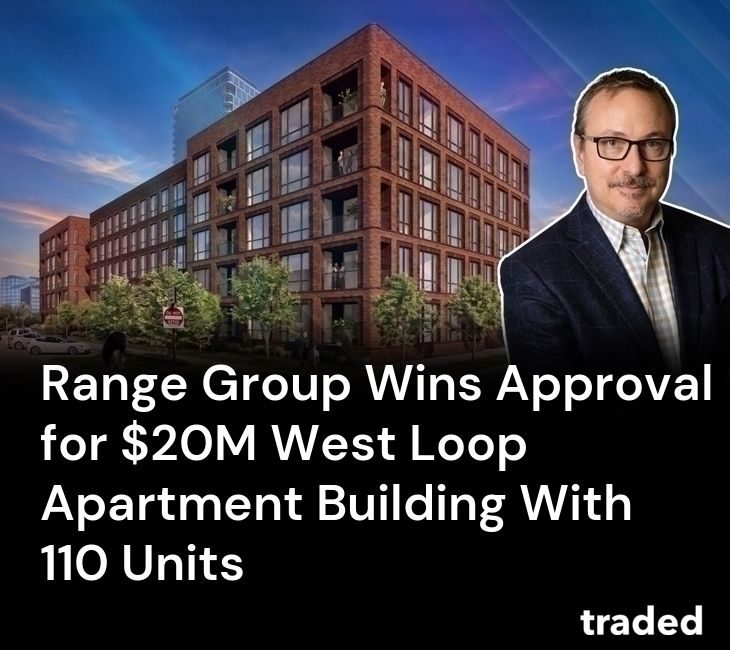
Chicago's Committee on Zoning approved a 110-unit apartment building at 1133 W. Kinzie St, a vacant lot between the Metra tracks and the low-rise blocks north of Fulton Market. The project still needs a City Council vote before construction can start, which the developer has said would be in February 2027.

The site's manufacturing zoning does not permit apartments, so a five-story building has to become a downtown mixed-use district through a Planned Development. That path makes the Plan Commission and the Zoning Committee mandatory stops, and it triggers Chicago's Affordable Requirements Ordinance: 17 units set aside at below-market rents, plus a $1.1 million payment covering the remaining 5%.

Why it matters

Converting a single vacant industrial parcel into 110 homes takes three separate city approvals and a 20% affordability set-aside.

Last Monday's email for Chicago, IL

Sent Nov 16. It carried:

Get next Monday's: one short email a week. Free. Unsubscribe in one click.

Questions about this story

Free account needed to ask — your question is kept and asked for you right after sign-up. Answers are public.

No questions yet — be the first to ask.

Key Indicators

110
Residential units
59 studios, 42 one-bedrooms and 9 two-bedrooms across five floors.
17
Affordable units on site
15% of the building, required under the city's Affordable Requirements Ordinance.
$20M
Development cost
The figure the developer has attached to the project.
33
Parking spaces
Garage accessed from N. May St at the rear of the ground floor.
$1.1M
Affordable housing fee-in-lieu
Paid in place of building the remaining 5% of affordable units on site.

Voices

Curated perspectives — historical figures and your fellow readers.

Sign up to generate historical perspectives on this story.

Organizations Involved

Timeline

July 2026 November 2026

3 events Latest: 2 days ago
  1. Zoning Committee approves the rezoning

    Latest Approval

    The committee clears the M2-3 to DX-5 change, leaving a full City Council vote.

  2. Plan Commission approves the project

    Approval

    The commission backs the five-story, 110-unit building, sending it to the Zoning Committee.

  3. Zoning application filed for Kinzie Street apartments

    Filing

    Range Group seeks to rezone a vacant lot at 1133 W. Kinzie from manufacturing to downtown mixed-use.

Scenarios

1

City Council approves the Kinzie rezoning

Likely Resolves by Q1 2027

Discussed by: Range Group and the project team, whose February 2027 construction schedule assumes a Council vote

The Committee on Zoning approval is the second of three required city votes, and the last one is usually the least contested once a project has cleared committee. If the Council passes the ordinance, the developer can apply for a construction permit and start on the schedule it has described: groundbreaking in February 2027, completion in spring 2028.

2

Construction permits issued and work begins in 2027

Possible Resolves by End of 2027

Discussed by: The developer, which has publicly targeted a February 2027 start

A Council vote does not guarantee a building. The developer still needs construction permits and financing, and the $20 million estimate dates from the application stage. A permit issued or an announced groundbreaking would confirm the project is moving; a quiet 2027 would suggest the schedule has slipped.

3

Range Group sells the site before building

Unlikely Resolves by Q2 2028

Discussed by: No public party has said this; it is the standard alternative for approved-but-unbuilt sites

Entitled land with an approved Planned Development is a tradeable asset. If construction costs, interest rates or apartment rents move against the project, the most valuable thing Range Group owns is the approval itself. A sale would leave the 110 units approved on paper but unbuilt, and a new owner would decide what actually rises on the lot.

Historical Context

2 moments from history that rhyme with this story — and how they unfolded.

2014-2019

Fulton Market's industrial-to-mixed-use rezoning (mid-2010s)

Chicago rezoned large stretches of Fulton Market, a working wholesale food district a few blocks southeast of the Kinzie site, to allow offices, hotels and apartments alongside the meat and produce businesses. Warehouses came down or were converted, and low-rise blocks gave way to taller buildings.

Then

Developers moved quickly, and office tenants followed the restaurants that had already colonized Randolph Street.

Now

Property values and rents climbed sharply, much of the wholesale food trade relocated, and the district became one of the most expensive parts of the city.

Why this matters now

Kinzie Street is at an earlier stage of the same transition, with five-story buildings replacing vacant and industrial parcels one at a time rather than by block-wide rezoning.

2005

Williamsburg-Greenpoint rezoning, Brooklyn (2005)

New York City rezoned roughly 175 blocks of Brooklyn's industrial waterfront for residential use, the largest such change in the borough in decades. The plan promised housing on land that had been reserved for manufacturing and warehousing.

Then

Construction followed within a few years, and the first new apartment buildings drew buyers and renters priced out of Manhattan.

Now

Land values rose well beyond the city's projections, and the area became one of the most expensive parts of Brooklyn; the city later adopted mandatory affordability rules for large rezonings.

Why this matters now

It shows what an industrial-to-residential rezoning can set in motion, and why cities now attach affordability requirements like Chicago's 15% on-site set-aside plus fee-in-lieu before approving them.

Sources

(4)