
Pull to refresh
Logo
Chinese military-linked university buys Nvidia H200 chips despite US blacklist

Chinese military-linked university buys Nvidia H200 chips despite US blacklist

Rule Changes

Procurement records show Entity List restrictions did not stop Northwestern Polytechnical from obtaining advanced AI processors through domestic suppliers

Overview

Updated 2 hours ago

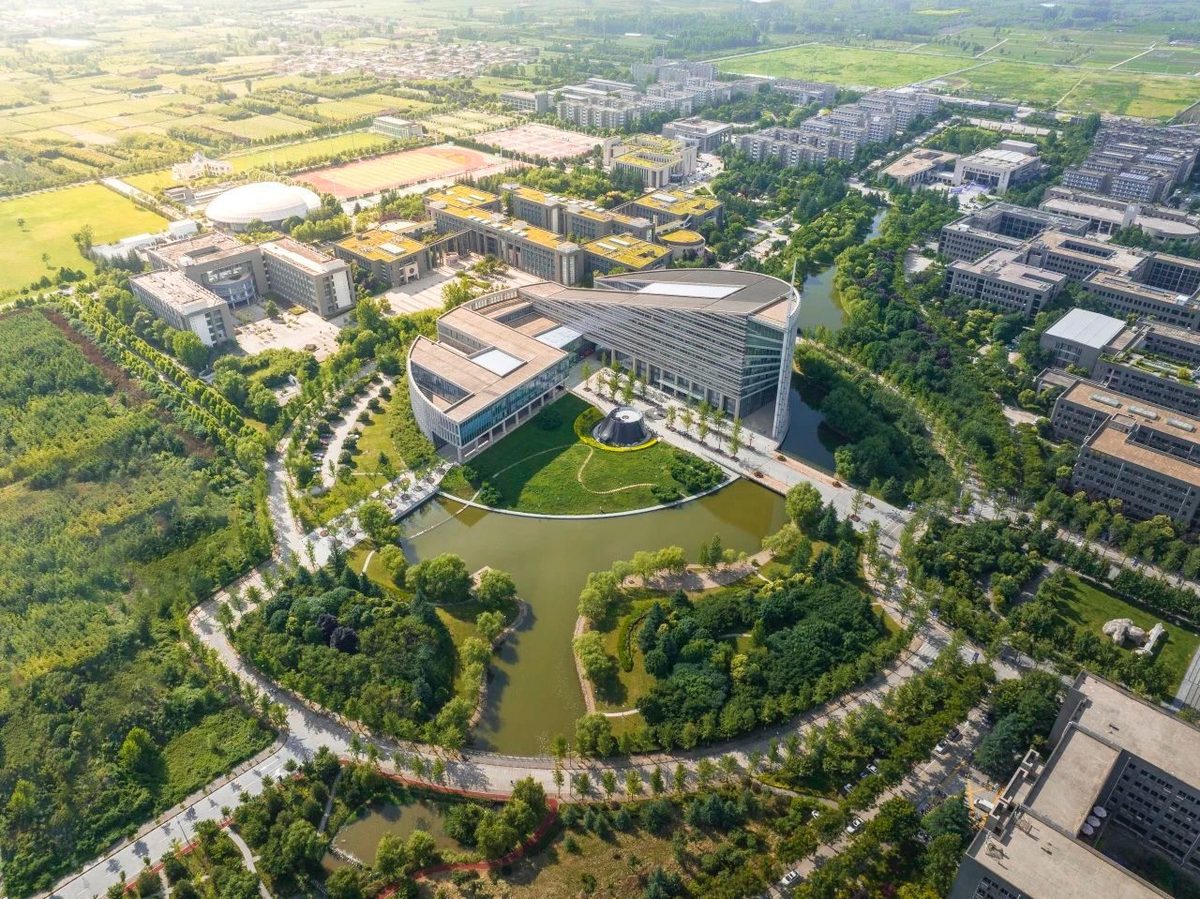
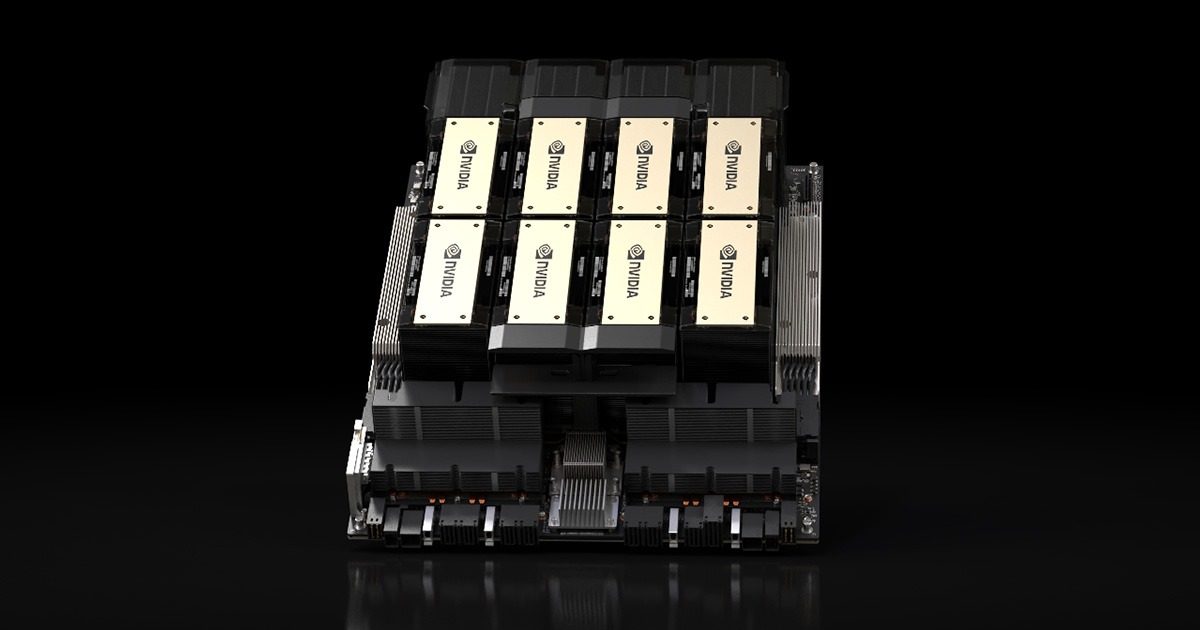
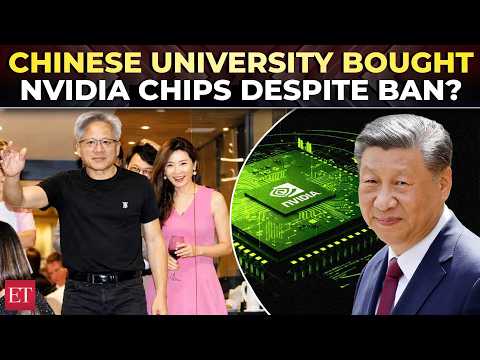
Northwestern Polytechnical University, a Chinese institution on a US export blacklist since 2001, bought two Nvidia H200 artificial-intelligence chips in October 2026 for 874,700 yuan, about $123,000. The purchase went through a Chinese supplier, Shaanxi Bosuan Network Technology, not directly from Nvidia, according to a procurement record Reuters reviewed.

The record is one of 26 Reuters examined showing Chinese universities buying or renting restricted Nvidia processors through domestic intermediaries. The H200 is the most powerful chip the US has allowed for sale to China, and the gap between that policy and the blacklist is where the enforcement question now sits.

Why it matters

US export controls assume blacklisted buyers cannot get advanced chips. Procurement records show they can, through domestic suppliers.

Questions about this story

Free account needed to ask — your question is kept and asked for you right after sign-up. Answers are public.

No questions yet — be the first to ask.

Key Indicators

2
H200 chips purchased by Northwestern Polytechnical
Bought in October 2026 for the university's management school, per a procurement record dated October 21.
$123,000
Purchase price for the two H200 chips
874,700 yuan paid to domestic supplier Shaanxi Bosuan Network Technology.
26
Procurement and corporate records reviewed by Reuters
Records from this year showing Chinese universities buying or renting restricted Nvidia chips.
5
Rented-computing contracts at the university this year
Contracts for access to servers containing H200, A100 and A800 chips.
2001
Year Northwestern Polytechnical was added to the US Entity List
Restrictions were tightened in 2019 to a policy of denial in most cases.

Voices

Curated perspectives — historical figures and your fellow readers.

Sign up to generate historical perspectives on this story.

People Involved

Organizations Involved

Timeline

2001 November 2026

10 events Latest: Today
Tap a bar to jump to that date
  1. Congressional committee chairs scheduled to brief with Nvidia's Huang

    Upcoming Oversight

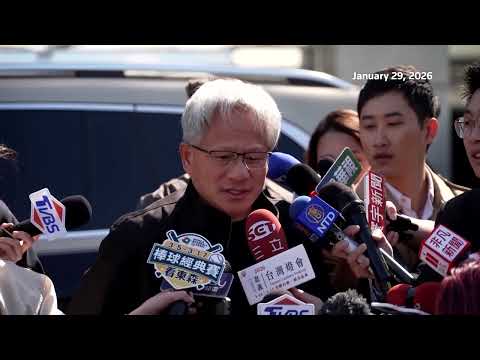
    Three Republican chairmen requested the briefing over Huang's reported contacts with an alleged intelligence operative.

  2. Reuters publishes findings on blacklisted university's chip purchases

    Today Report

    The review of 26 procurement records shows a wider market for restricted Nvidia chips at Chinese universities.

  3. Procurement record shows two H200 chips bought for management school

    Procurement

    The 874,700 yuan purchase went through Shaanxi Bosuan Network Technology.

  4. Shenzhen University buys three H100 processors

    Procurement

    The purchase totaled 769,800 yuan, per procurement records.

  5. Bloomberg reports seven defense-linked universities seek H200 chips

    Report

    Beihang and Northwestern Polytechnical are among the institutions named.

  6. University institute buys A100 computing services

    Procurement

    A 375,000 yuan contract requiring at least 24 A100 chips for simulation work.

  7. Trump administration allows some H200 exports to China

    Policy

    Case-by-case licensing begins, but Entity List restrictions remain in place.

  8. University cybersecurity school rents H200 server access

    Procurement

    Two seven-month contracts for servers with eight H200 chips each, worth 441,700 and 441,000 yuan.

  9. US tightens restrictions on the university

    Policy

    Licences for controlled US technology become subject to a policy of denial in most cases.

  10. Northwestern Polytechnical added to US Entity List

    Policy

    The Commerce Department cited alleged missile-proliferation activities and military research.

Scenarios

1

Congress adds chip-tracking requirements to export rules

Possible Resolves by Q2 2027

Discussed by: Democrats and Republicans in Congress who have urged stronger controls on China's access to advanced AI chips

Lawmakers have pushed for chip-tracking requirements and greater congressional oversight of exports. If those proposals become law or a BIS rule, exported AI chips would carry location or usage monitoring, making diversion to blacklisted buyers easier to detect. The November 18 briefing with Nvidia's chief executive is a step in that direction.

2

Commerce Department closes the domestic-supplier route

Possible Resolves by Q1 2027

Discussed by: Export-control analysts and lawmakers citing gaps in enforcement

The purchases ran through Chinese intermediaries rather than Nvidia directly. BIS could tighten rules on sales to Chinese distributors or bring enforcement actions against suppliers that route controlled chips to Entity List buyers. That would target the mechanism the procurement records describe.

3

No new enforcement; restricted-chip purchases continue

Likely Resolves by Nov 11, 2027

Discussed by: Reuters, whose procurement review documents the pattern across multiple universities

The January 2026 policy change allowed some H200 sales without lifting Entity List restrictions. If enforcement does not change, the pattern Reuters documented, universities buying or renting restricted chips through domestic suppliers, is likely to keep producing similar records.

Historical Context

3 moments from history that rhyme with this story — and how they unfolded.

1983-1987

Toshiba-Kongsberg machine tool diversion (1987)

Toshiba Machine and Norway's Kongsberg sold advanced milling machines to the Soviet Union that could cut submarine propellers quietly, violating Cold War export rules. The diversion ran through intermediaries and falsified end-user certificates.

Then

The US imposed sanctions on Toshiba, and Japan tightened export controls.

Now

The case became the template for end-user verification and third-party liability in export-control enforcement.

Why this matters now

The Northwestern Polytechnical purchases show the same pattern: restricted technology reaching a barred end-user through a domestic intermediary rather than the manufacturer.

May 2019

Huawei added to the US Entity List (2019)

The Commerce Department added Huawei to the Entity List, restricting US chip sales to the Chinese telecom company. Huawei stockpiled chips and developed domestic substitutes.

Then

Huawei's access to advanced US chips narrowed sharply.

Now

China accelerated domestic chip production, and enforcement gaps through third parties became a recurring issue.

Why this matters now

It established the Entity List as the main tool for blocking Chinese access to advanced chips, the same tool that did not stop the university's H200 purchase.

1949-1994

COCOM export controls (1949-1994)

Western allies coordinated restrictions on technology sales to the Soviet bloc through the Coordinating Committee for Multilateral Export Controls. Enforcement depended on member countries policing their own companies.

Then

The regime limited some technology transfers but was repeatedly circumvented through third countries.

Now

It ended after the Cold War, and its lessons shaped later unilateral US controls.

Why this matters now

The current system is largely unilateral, which makes domestic intermediaries the weak point, as the Chinese procurement records show.

Sources

(6)