
Pull to refresh
Logo
Chiricahua National Monument becomes Arizona's fourth national park

Chiricahua National Monument becomes Arizona's fourth national park

Rule Changes

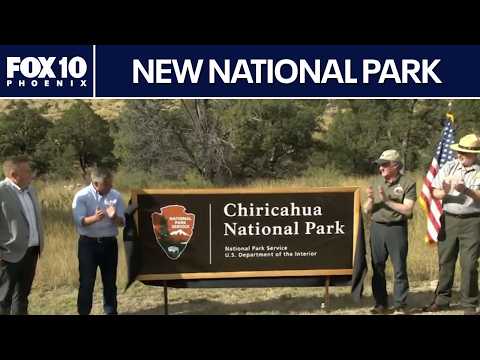
President Trump signs the Chiricahua National Park Act, ending a decade of failed Congressional attempts to upgrade the southeastern Arizona landmark.

Yesterday: Trump signs law creating Chiricahua National Park

Overview

Updated 1 hour ago

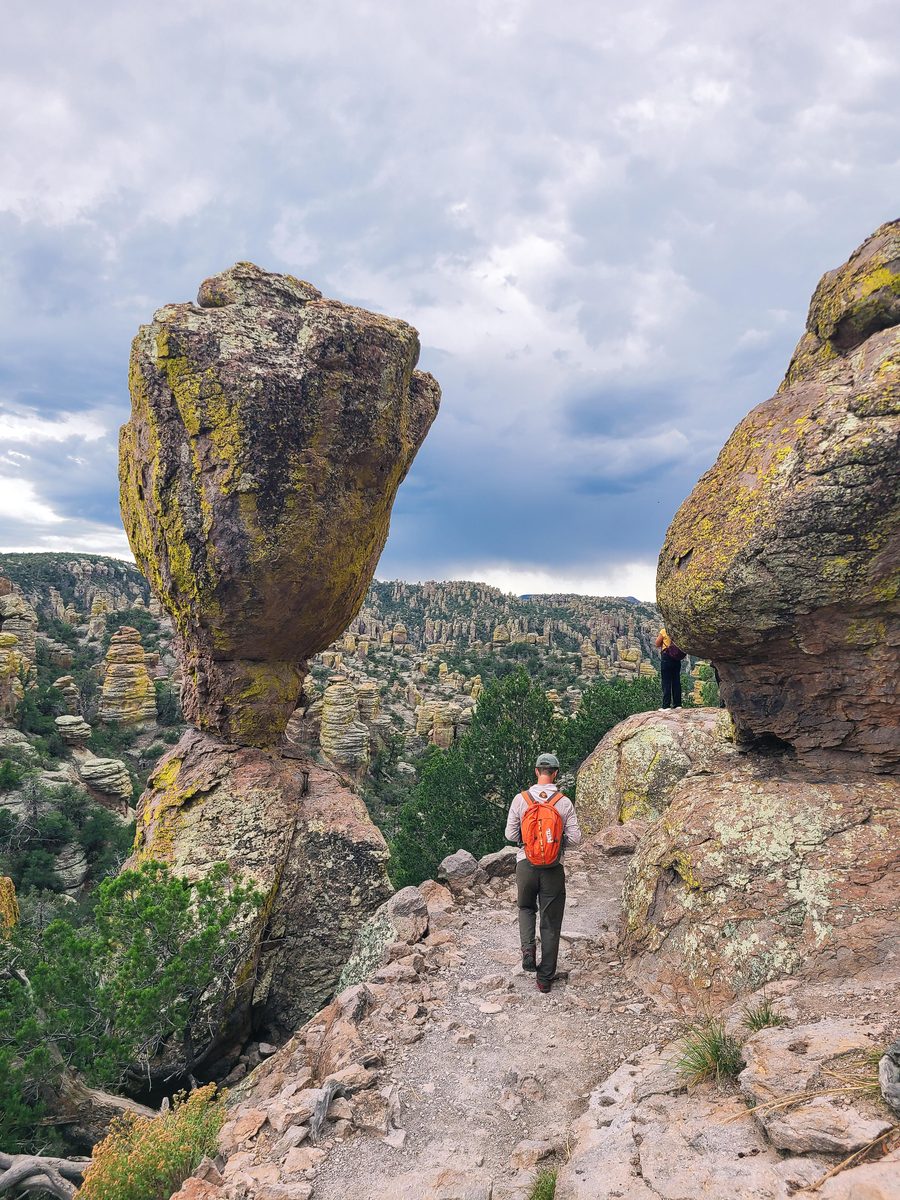
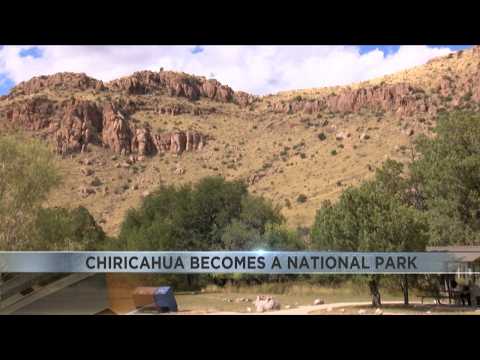
Chiricahua National Monument in southeastern Arizona became Chiricahua National Park on Oct. 20, 2026, when President Donald Trump signed the Chiricahua National Park Act. The law makes the 12,000-acre landscape Arizona's fourth national park, capping a decade of failed attempts in Congress.

The new label changes little on paper. Boundaries, wilderness protections, and tribal access stay the same. But park status usually raises a site's profile, drawing more visitors and federal money to an area that gets about 70,000 visits a year.

Why it matters

The park label is expected to boost tourism and federal investment in southeastern Arizona, bringing economic gains to nearby towns like Willcox.

Questions about this story

Free account needed to ask — your question is kept and asked for you right after sign-up. Answers are public.

No questions yet — be the first to ask.

Key Indicators

4
Arizona national parks
Chiricahua joins Grand Canyon, Petrified Forest, and Saguaro as the state's fourth national park.
~70,000
Annual visitors (estimate)
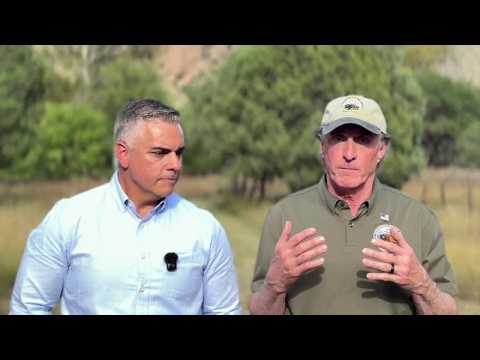
Interior Secretary Doug Burgum's figure for current visitation, which he expects to rise with park status.
49
Park area (sq km)
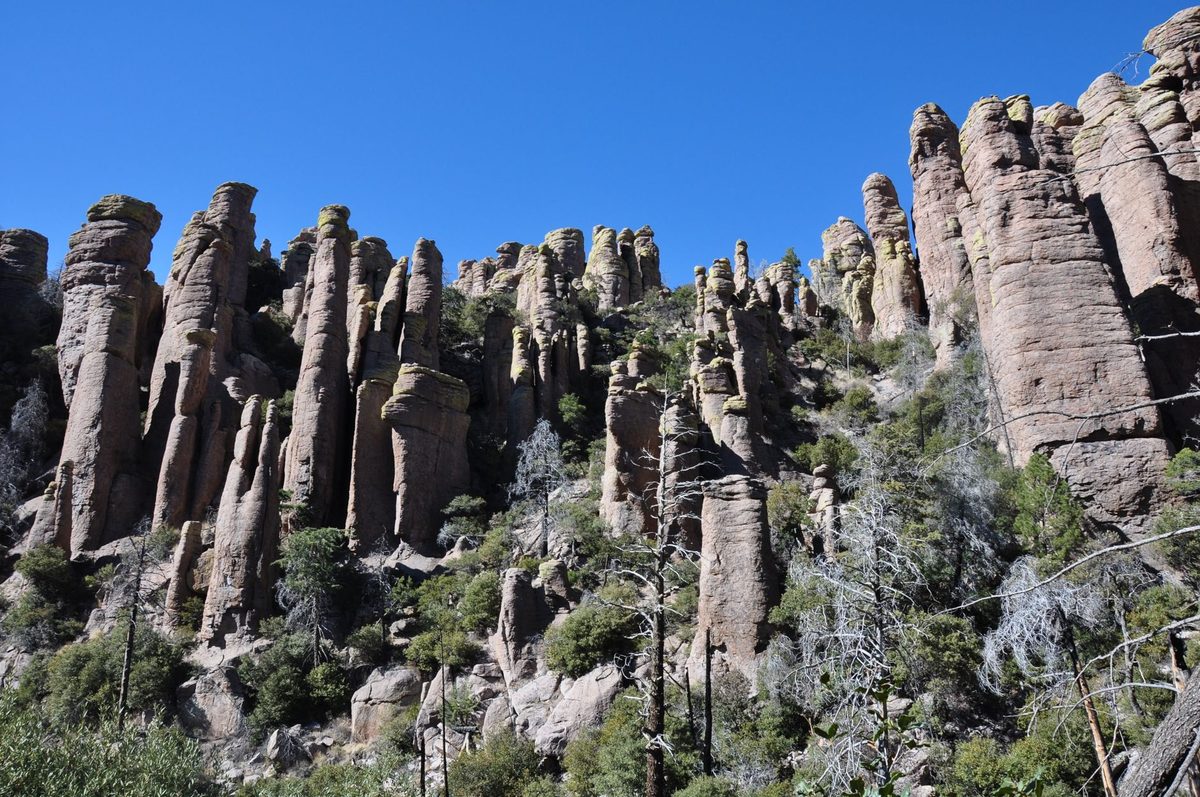
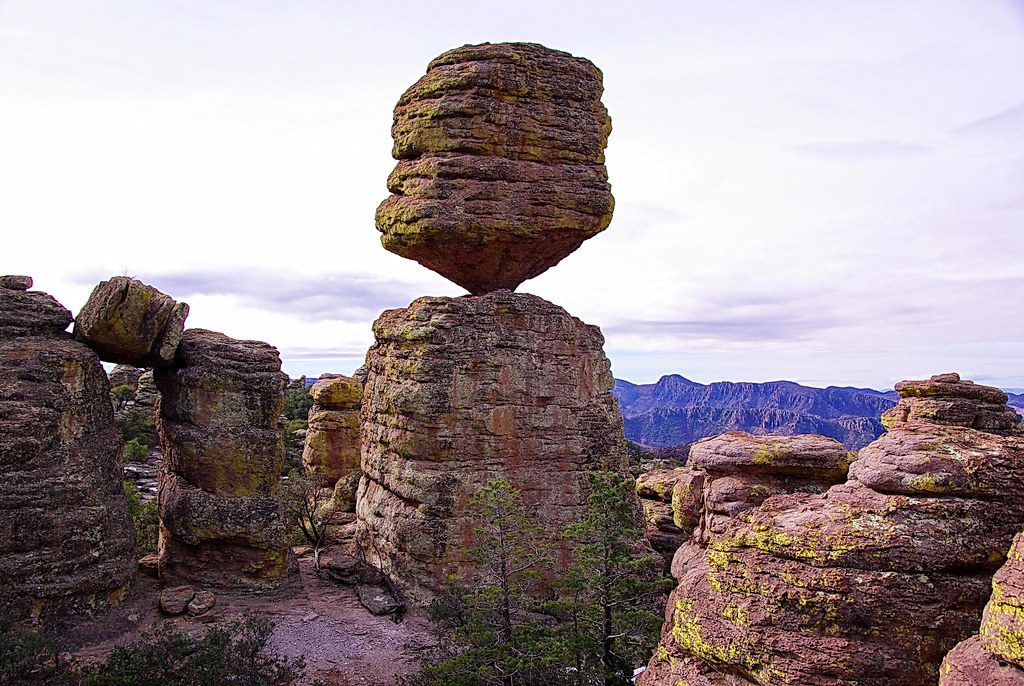
About 12,000 acres of rhyolite spires, canyons, and sky island ecosystems.
10
Years of legislative attempts
At least five redesignation bills were introduced between 2016 and 2026 before one passed.

Voices

Curated perspectives — historical figures and your fellow readers.

Ever wondered what historical figures would say about today's headlines?

Sign up to generate historical perspectives on this story.

People Involved

Organizations Involved

Timeline

1924 October 2026

6 events Latest: Yesterday
Tap a bar to jump to that date
  1. Trump signs law creating Chiricahua National Park

    Latest Law

    President Trump signs the Chiricahua National Park Act, making it Arizona's fourth national park.

  2. Senate approves the bill

    Legislation

    The Senate passes the legislation, sending it to the president for signature.

  3. House passes Chiricahua National Park Act

    Legislation

    The House approves the bill, carried by Ciscomani and Stanton with bipartisan support.

  4. Kelly introduces park legislation

    Legislation

    Sen. Mark Kelly files his first bill to redesignate the monument as a national park.

  5. First redesignation bills introduced

    Legislation

    At least five bills to make Chiricahua a national park are introduced over a decade, but none reach a floor vote.

  6. Chiricahua established as national monument

    Designation

    Presidential proclamation creates Chiricahua National Monument, protecting volcanic rock spires and canyons.

Scenarios

1

Chiricahua visitation tops 100,000 in first year as a park

Likely Resolves by Q1 2028

Discussed by: Interior Secretary Doug Burgum and the Association of National Park Rangers

Burgum said the national park label puts a 'flagship' target on Chiricahua and typically brings more visitors. The rangers' association backed the upgrade but warned the park needs more staffing and infrastructure for the expected surge. NPS annual visitation data for fiscal year 2027 will show whether the bump materializes.

2

New federal investment follows the park label

Possible Resolves by Oct 20, 2027

Discussed by: Doug Burgum and the National Parks Conservation Association

Burgum said park status brings bigger budgets for infrastructure, water systems, trail maintenance, interpretation, and visitor centers. NPCA said it will push Congress to restore funding and staffing across the park system. NPS press releases and Interior Department budget documents will reveal whether new money arrives at Chiricahua.

3

Designation stays mostly symbolic

Possible Resolves by Q1 2028

Discussed by: AP News reporting on park service workforce cuts

AP reported the park service has undergone deep workforce cuts under the Trump administration and that Chiricahua's maintenance projects were ranked 'low priority.' Officials declined to say whether staff would be added. If visitation stays modest and funding doesn't materialize, the redesignation remains a label change with limited practical effect.

Historical Context

2 moments from history that rhyme with this story — and how they unfolded.

December 2019

White Sands becomes a national park (2019)

New Mexico's White Sands National Monument, famous for its white gypsum dunes, was redesignated as White Sands National Park through a defense spending bill signed in December 2019. The change came after years of local advocacy and made it the newest national park at the time.

Then

The redesignation raised the park's national profile and drew more visitors to the remote dune field.

Now

White Sands became a template for small monuments seeking park status, showing the economic and promotional draw of the label.

Why this matters now

White Sands is the most recent monument-to-park upgrade before Chiricahua, following the same pattern: a smaller site gaining national park status and the expected boost in attention and federal support.

January 2013

Pinnacles becomes a national park (2013)

California's Pinnacles, a volcanic landscape with talus caves and a California condor recovery program, was elevated from national monument to national park. The site had been a protected monument since 1908.

Then

The upgrade brought renewed federal investment and attention to the park, which is located roughly an hour from the nearest major city.

Now

Pinnacles remains one of the least-visited national parks, showing that park status alone does not guarantee crowds.

Why this matters now

Pinnacles offers a counterpoint to the expected Chiricahua surge: national park status raises a site's ceiling for visitors and funding, but remote locations still limit how many actually come.

Sources

(10)