





Pull to refresh
Logo
Trump's national energy emergency faces widening court challenges

Trump's national energy emergency faces widening court challenges

Rule Changes

Record oil and gas production undercuts the emergency claim; courts are narrowing its scope

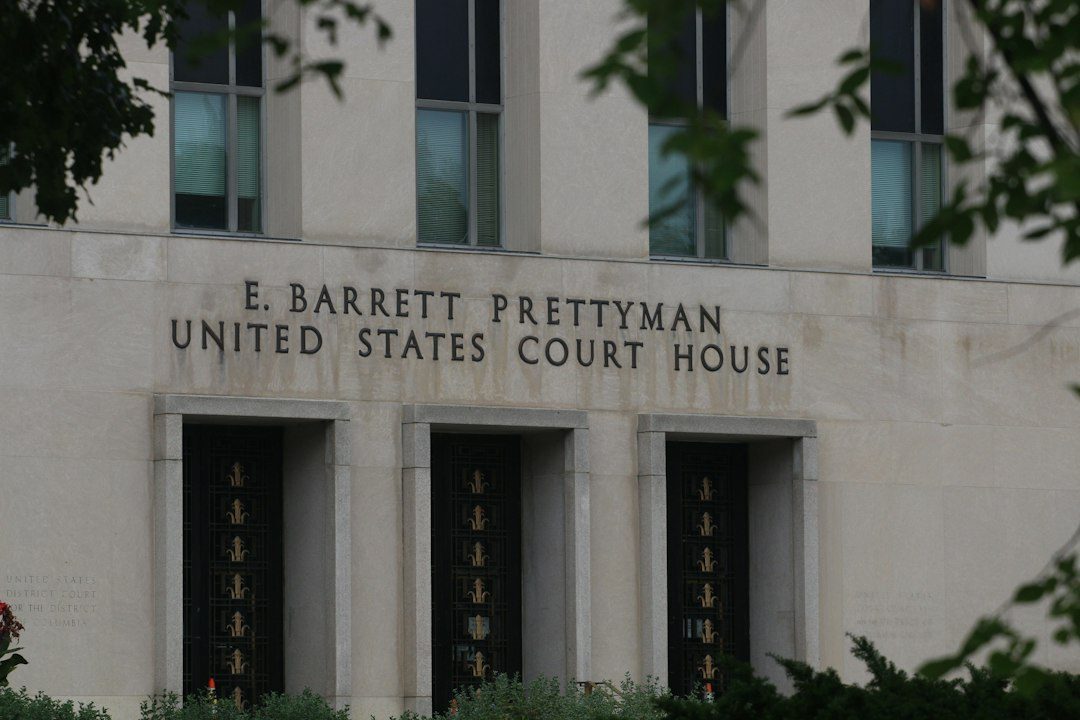
September 14th, 2026: D.C. Circuit strikes down DOE coal plant orders

Overview

Updated 1 hour ago

On January 20, 2025, President Trump signed an executive order declaring a national energy emergency. The order claims the country faces a 'precariously inadequate and intermittent energy supply.' Federal data shows the opposite: oil and gas production sit at record highs.

The declaration unlocks fast-track permitting for fossil fuel projects and lets agencies skip environmental reviews that normally take years. Fifteen states sued, and a federal appeals court has already struck down one use of the emergency authority. The fight is over how far the federal government can go to bypass environmental law in the name of energy.

Why it matters

The emergency order lets agencies fast-track fossil fuel permits, bypassing environmental reviews that normally take years.

Questions about this story

Free account needed to ask — your question is kept and asked for you right after sign-up. Answers are public.

No questions yet — be the first to ask.

Key Indicators

13.6M bpd
US oil production per day (June 2025)
The highest monthly output in over a century, undercutting the emergency claim.
15
States suing over the emergency
Attorneys general from 15 states filed suit in February 2025.
7
Coal plants forced to keep operating
Department of Energy emergency orders kept the generators running past retirement dates.
688
Wetlands projects flagged for fast-track
Army Corps list taken offline after the Environmental Integrity Project protested; 27 permits citing the emergency remain.

Voices

Curated perspectives — historical figures and your fellow readers.

Ever wondered what historical figures would say about today's headlines?

Sign up to generate historical perspectives on this story.

People Involved

Organizations Involved

Timeline

January 2025 September 2026

7 events Latest: September 14th, 2026 · 1 week ago
Tap a bar to jump to that date
  1. Commonwealth LNG final approval in Louisiana

    Permitting

    The Cameron Parish liquefied natural gas facility receives its final approval, one of 10 LNG actions finalized since the emergency.

  2. Williams reapplies for harbor gas pipeline

    Permitting

    The pipeline company invokes the emergency order in its application for the Northeast Supply Enhancement Project, opposed for risks to endangered right whales.

  3. Texas GulfLink oil export terminal approved

    Permitting

    A Transportation Department division approves the offshore oil export terminal, citing Trump's emergency order in its announcement.

  4. Army Corps flags 688 wetlands projects for fast-track

    Permitting

    The Corps identifies hundreds of projects altering wetlands for fast-track review; the list comes offline a day after the Environmental Integrity Project protests.

  5. Trump signs national energy emergency order

    Executive Action

    Executive Order 14156 declares a national energy emergency and directs agencies to fast-track fossil fuel projects and waive environmental reviews.

Scenarios

1

Courts scale back the emergency authority

Likely Resolves by Q2 2027

Discussed by: Legal Planet, Center for Biological Diversity, 15-state coalition

The D.C. Circuit already ruled DOE exceeded its emergency power on coal plants. If that reasoning spreads, other courts could block fast-tracked permits, wetlands approvals and LNG export decisions citing the emergency. The Supreme Court could settle the question if a case reaches it.

2

Emergency accelerates fossil fuel buildout despite challenges

Possible Resolves by Q2 2027

Discussed by: oilandgaswatch.org analysis of permitting records

With the emergency still in force, agencies keep approving LNG terminals, oil export facilities and pipelines at an elevated pace. Even if courts narrow some authority, projects already permitted move forward. The Federal Energy Regulatory Commission and Army Corps are the agencies to watch.

3

Emergency order rescinded before term ends

Unlikely Resolves by Jan 20, 2029

Discussed by: Policy analysts tracking executive orders

A political change, a major court defeat, or an economic shift could lead the president to rescind the order or let it lapse. Rescission would end the fast-track authority for permits not yet approved, though projects already permitted would proceed.

Historical Context

2 moments from history that rhyme with this story — and how they unfolded.

February 2019

Border Wall National Emergency (2019)

Trump declared a national emergency in February 2019 to fund a border wall Congress refused to pay for. The declaration redirected Pentagon funds to construction, bypassing lawmakers.

Then

Courts split on the legality; the Supreme Court allowed the Pentagon fund transfers in a 5-4 ruling, and wall segments were built.

Now

Established that presidents can use emergency declarations to redirect funds or bypass processes Congress denied, with courts as the main check.

Why this matters now

Same president, same playbook: declaring a national emergency to achieve what legislation or appropriations didn't. The energy order extends this to environmental permitting.

February 2021

Emergency Orders During Texas Winter Storm Uri (2021)

When winter storm Uri froze Texas, the Department of Energy used its Federal Power Act emergency authority to prioritize fuel supply during the blackout. The orders were requested by the state in response to a concrete, ongoing disaster.

Then

Fuel supply was prioritized during the crisis and generation was restored.

Now

Set the precedent that emergency orders respond to immediate, verifiable crises requested by states or regional authorities.

Why this matters now

The 2025 coal-plant orders were the first time DOE invoked emergency powers for a hypothetical reliability risk years away, a far broader reading of the same statute. The D.C. Circuit rejected that expansion.

Sources

(8)