

Pull to refresh
Logo
Dallas seeks state funding for homelessness after county tax hike fails

Dallas seeks state funding for homelessness after county tax hike fails

Money Moves Dallas, TX local

A $10 million federal funding cliff and the rejection of a county tax increase leave the city's Street to Home program scrambling for sustainable money.

Overview

Updated 3 hours ago

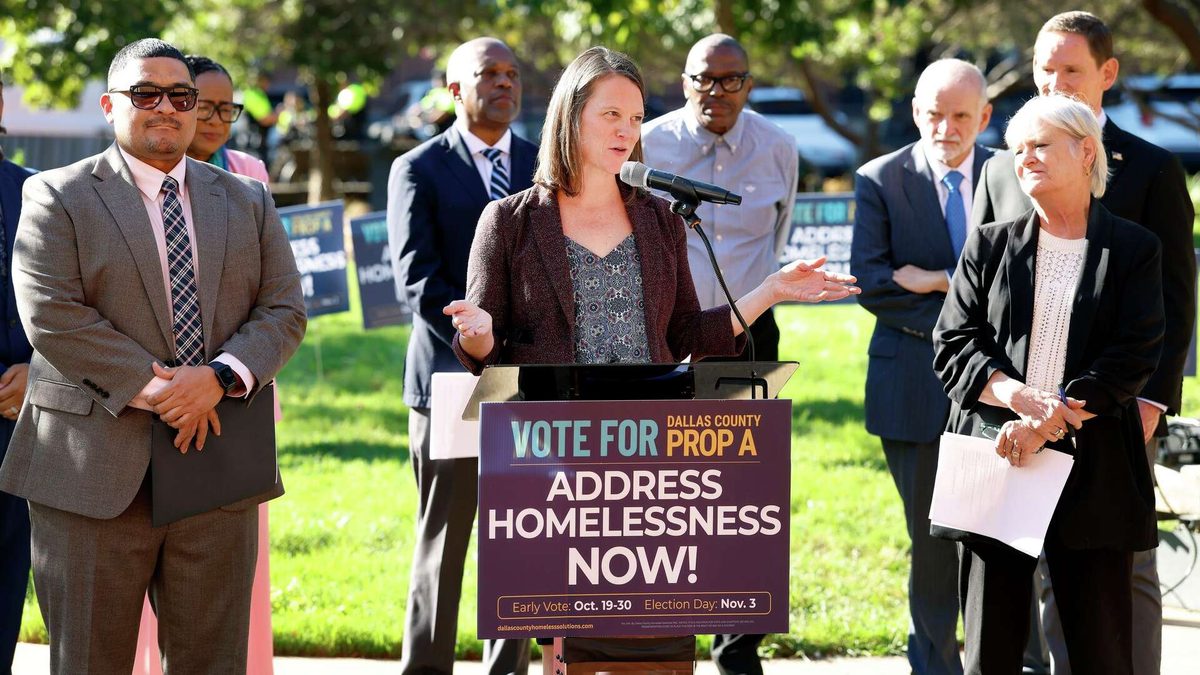
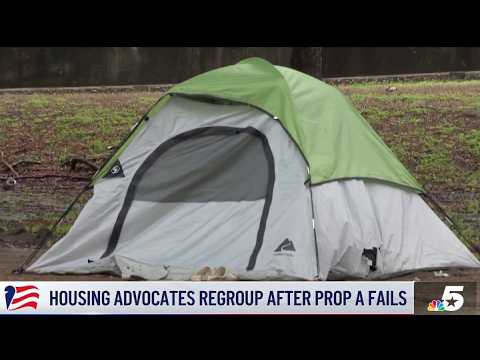
Dallas County voters rejected a property tax increase on Nov. 4 that would have raised about $100 million for homelessness services. Now the city's main program, Street to Home, faces a $10 million federal funding cliff in January and may turn to the Texas Legislature for help.

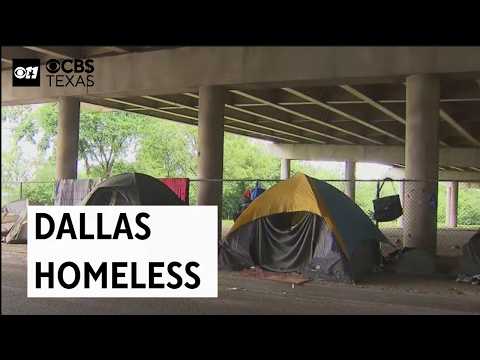
The program has reduced unsheltered homelessness by 25% since 2021, but demand has grown 83%. Without new funding, 40% of households seeking help may go without, and officials warn progress could reverse.

Why it matters

If Dallas can't replace $10 million in expiring federal funds, 40% of households seeking help may go without, and the city's progress reducing homelessness could stall.

Last Monday's email for Dallas, TX

Sent Nov 16. It carried:

Get next Monday's: one short email a week. Free. Unsubscribe in one click.

Questions about this story

Free account needed to ask — your question is kept and asked for you right after sign-up. Answers are public.

No questions yet — be the first to ask.

Key Indicators

$10M
Federal funding expiring
COVID relief dollars for Street to Home end in January 2027.
25%
Decrease in unsheltered homelessness
Since 2021, according to city briefing.
83%
Increase in households needing help
Since 2021, about 11,000 households annually need assistance.
40%
Households going without assistance
Share of those in need who don't get help from Street to Home.
88 days
Average shelter exit time
Down from 131 days in 2025.
$51M
City budget gap
Dallas faced a $51 million shortfall this budget cycle.

Voices

Curated perspectives — historical figures and your fellow readers.

Sign up to generate historical perspectives on this story.

People Involved

Organizations Involved

Timeline

2021 January 2027

5 events Latest: Today
Tap a bar to jump to that date
  1. Federal COVID relief for Street to Home expires

    Upcoming Funding expiration

    $10 million in federal funds runs out; no new households will be enrolled in 2027.

  2. Dallas Observer reports city may seek state funding

    Today Media report

    The article details the funding crisis and potential turn to Austin.

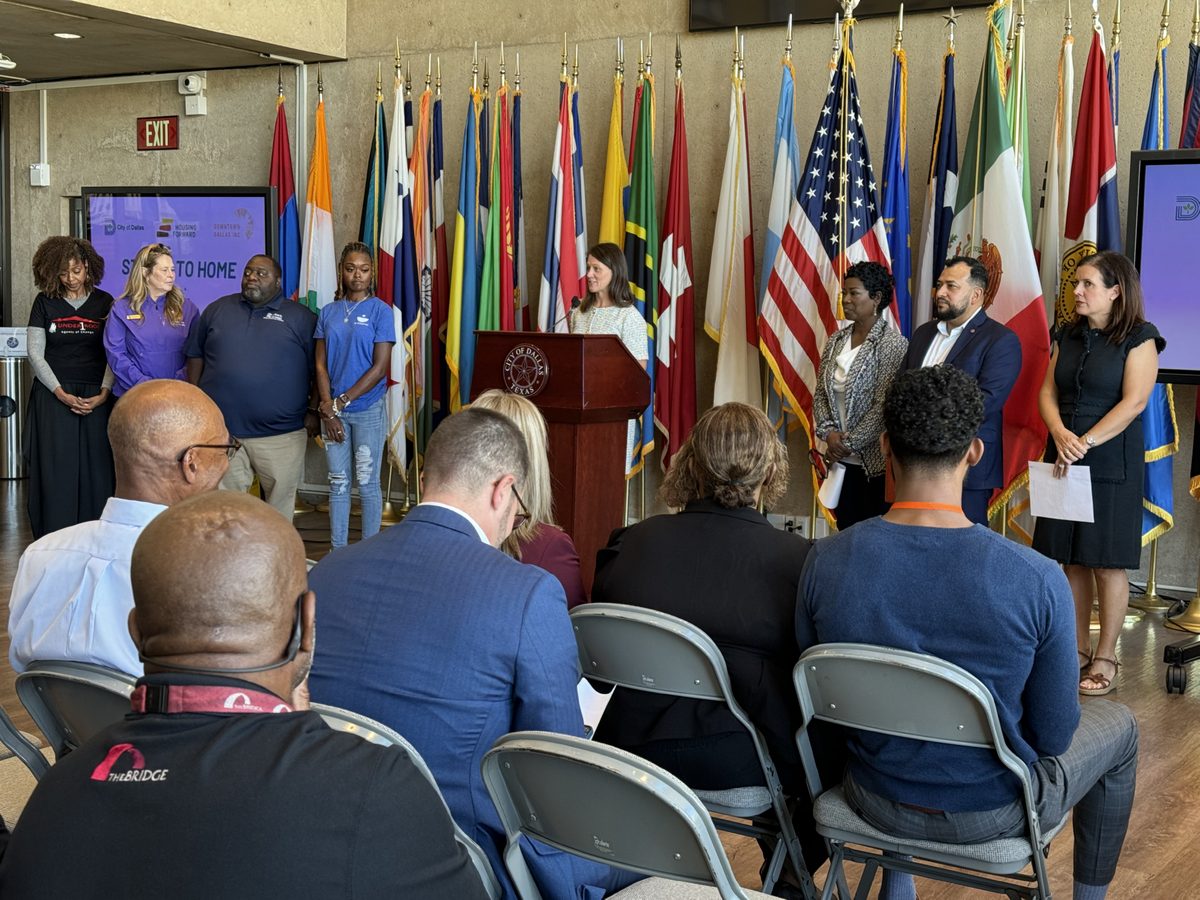
  3. City Council committee discusses funding cliff

    Government meeting

    Housing Forward and nonprofits warn of $10 million federal funding loss and growing demand.

  4. Dallas County voters reject Prop A

    Election

    A 2.4-cent property tax increase to fund homelessness services fails.

  5. Street to Home initiative launches

    Program launch

    Housing Forward begins providing rental assistance and support services to reduce homelessness.

Scenarios

1

Texas Legislature approves $10 million for Dallas homelessness

Possible Resolves by May 31, 2027

Discussed by: Dallas officials, Housing Forward

Dallas asks the Texas Legislature for funding during the 2027 session. Lawmakers appropriate at least $10 million for homelessness services in Dallas, replacing the expiring federal dollars.

2

Dallas finds local funding to replace federal dollars

Possible Resolves by Q3 2027

Discussed by: City Council, nonprofit leaders

The city identifies alternative local funding, such as a budget allocation or philanthropic partnership, to sustain Street to Home at current levels.

3

Street to Home scales back, homelessness rises

Likely Resolves by Jan 31, 2028

Discussed by: Daniel Roby, Housing Forward

Without replacement funding, Street to Home stops enrolling new households in 2027. Unsheltered homelessness increases, reversing recent progress.

Historical Context

2 moments from history that rhyme with this story — and how they unfolded.

2011-2020

Houston's homelessness reduction (2011-2020)

Houston implemented a coordinated housing-first approach called The Way Home, moving thousands of people into permanent housing. The effort relied on sustained funding and data sharing among nonprofits and government agencies.

Then

Unsheltered homelessness dropped significantly, and Houston became a national model.

Now

The approach showed that consistent funding and coordination can reduce homelessness, but gains require ongoing investment.

Why this matters now

Dallas's Street to Home program uses a similar model and has seen progress. Houston's experience shows what can be lost if funding lapses.

March 2017

Los Angeles Measure H (2017)

Los Angeles County voters approved a quarter-cent sales tax increase to fund homelessness services, expected to raise about $355 million annually for 10 years. The measure was backed by a broad coalition.

Then

The tax provided a dedicated revenue stream for homelessness programs, funding outreach, housing, and services.

Now

Measure H became a key funding source for Los Angeles's homelessness response, though the county still struggles with high homelessness rates.

Why this matters now

Dallas County's rejected property tax increase was a similar attempt to create dedicated local funding. Measure H shows an alternative path that Dallas voters declined.

Sources

(2)