
Pull to refresh
Logo
U.S. homelessness posts largest drop in a decade as officials dispute the cause

U.S. homelessness posts largest drop in a decade as officials dispute the cause

Rule Changes

The January 2026 count found 698,425 people homeless, down 6.3%. HUD credits enforcement; advocates credit housing and softer rents.

Overview

Updated 1 hour ago

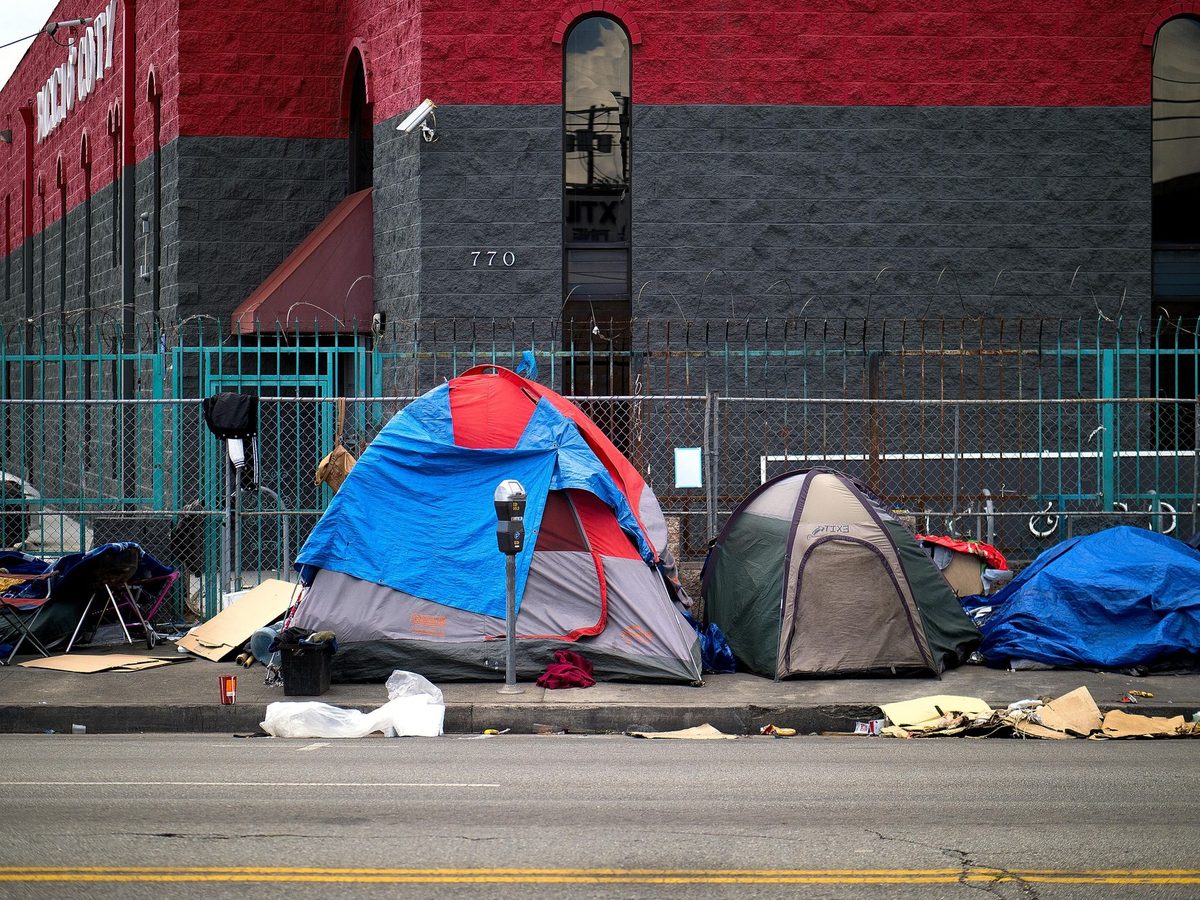
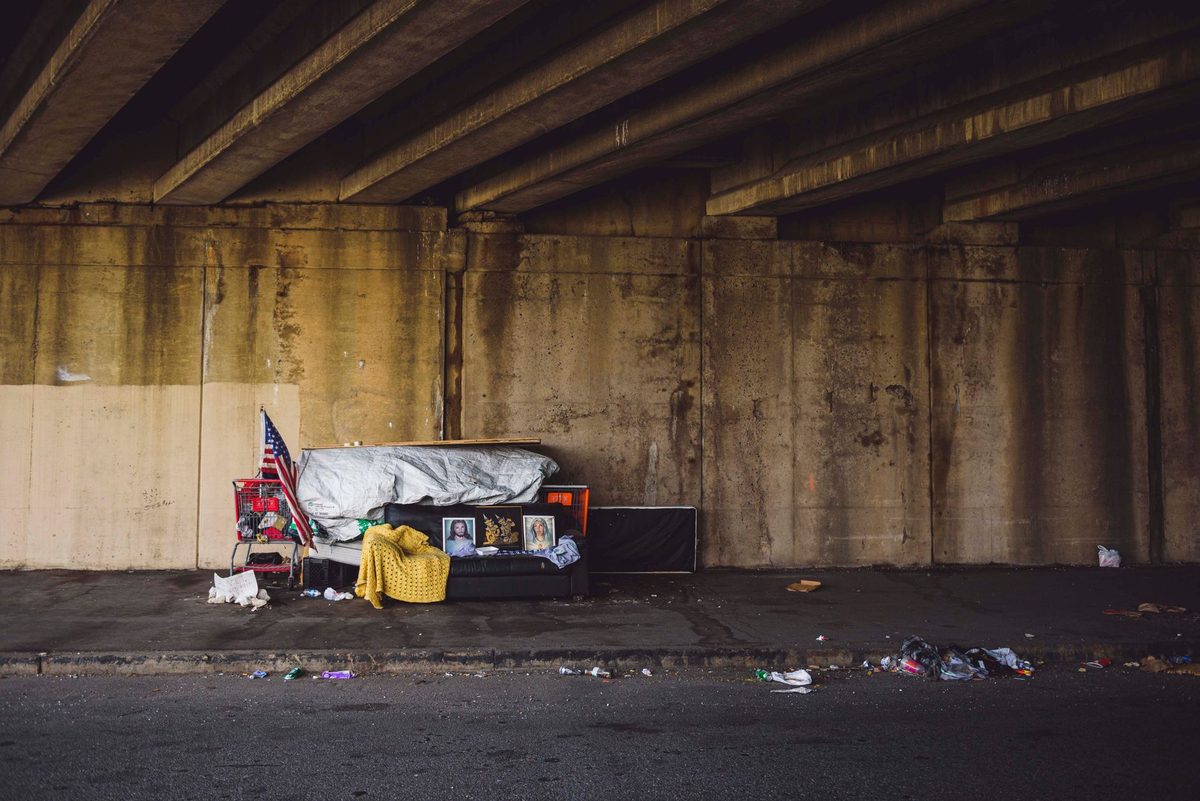
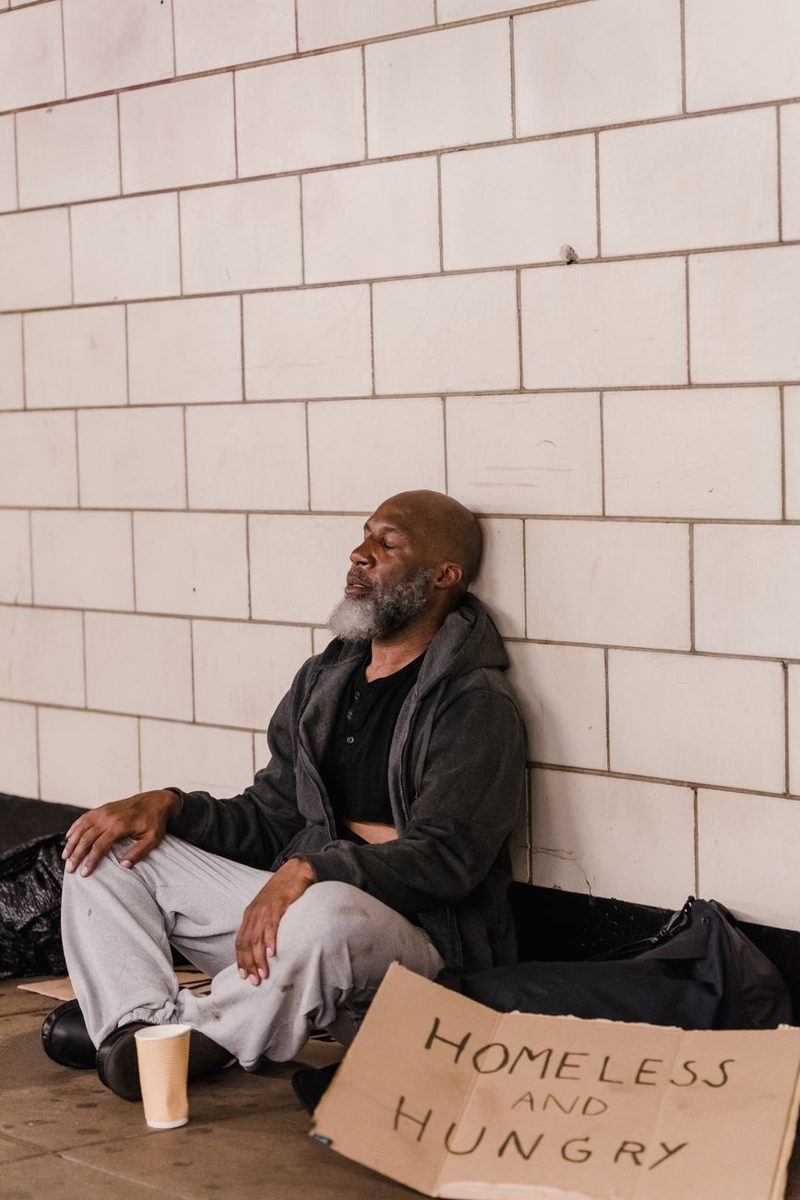
On a single night in January 2026, 698,425 people were homeless in the United States, about 47,000 fewer than a year earlier. The Department of Housing and Urban Development (HUD) put the drop at 6.3%, its largest in more than a decade.

The same count is being read two ways. HUD credits border enforcement and a 2024 Supreme Court ruling that let cities ban encampments. Advocacy groups credit housing programs and falling rents. Each explanation points at a different policy for the next count.

Why it matters

The next federal homelessness budget depends on whether the decline is credited to housing programs or to enforcement and treatment requirements.

Questions about this story

Free account needed to ask — your question is kept and asked for you right after sign-up. Answers are public.

No questions yet — be the first to ask.

Key Indicators

698,425
People homeless on a single night, January 2026
HUD's nationwide Point-in-Time count, conducted each January.
6.3%
Decline from the 2025 count
Down from 745,652 in January 2025, per HUD and congressional data.
9%
Share of unhoused people with enough permanent housing in their area
National Alliance to End Homelessness analysis of the same count.
170,000
People who could lose housing under HUD's proposed overhaul
Estimate from critics of the shift from long-term housing to treatment-linked transitional housing.

Voices

Curated perspectives — historical figures and your fellow readers.

Sign up to generate historical perspectives on this story.

People Involved

Organizations Involved

Timeline

2007 November 2026

9 events Latest: Yesterday
Tap a bar to jump to that date
  1. Alliance analysis and NPR report

    Latest Analysis

    Independent analysis finds a similar decline but credits housing; chronic homelessness ticks up about 1%.

  2. HUD reports 6.3% decline

    Measurement

    HUD announces 698,425 people were homeless in January 2026, down from 745,652.

  3. 2026 count conducted

    Measurement

    Local Continuums of Care tally sheltered and unsheltered people on one January night.

  4. HUD announces Treatment First overhaul

    Policy

    HUD moves to shift grants from long-term housing toward treatment-linked transitional housing.

  5. First decline

    Measurement

    The January 2025 count falls 3.3% to 745,652 from the 2024 record.

  6. Record high count

    Measurement

    The national count peaks at 771,480 people.

  7. Lowest count on record

    Measurement

    Homelessness falls to 549,928, the lowest in the national series.

  8. National count begins

    Measurement

    HUD starts nationwide Point-in-Time reporting; the first count finds 647,258 people homeless.

Scenarios

1

Courts block Treatment First; Housing First funding continues

Possible Resolves by Q2 2027

Discussed by: National Alliance to End Homelessness and critics of the HUD overhaul

HUD's shift toward treatment-required transitional housing has been tied up in court. If judges keep blocking it, existing permanent housing grants renew and the 2027 count tests whether housing programs alone sustain the decline.

2

HUD overhaul takes effect, shifting billions toward treatment

Uncertain Resolves by End of 2027

Discussed by: HUD and the Cicero Institute

If the courts clear the way, HUD redirects homelessness grants from long-term housing to transitional programs that require work and addiction treatment. Critics say up to 170,000 people could lose housing; supporters say the approach addresses root causes.

3

Chronic homelessness rises again in the next count

Possible Resolves by End of 2027

Discussed by: National Alliance to End Homelessness

Chronic homelessness rose about 1% in the 2026 count even as the overall number fell. If permanent supportive housing stays underfunded, the next Point-in-Time count could show the long-term homeless population growing.

Historical Context

3 moments from history that rhyme with this story — and how they unfolded.

2010-2026

Veterans homelessness decline (2010-2026)

Federal housing vouchers and outreach programs targeted at veterans expanded after 2010. Homelessness among veterans fell nearly 60% over the period, including a drop of more than 7% last year.

Then

Veterans moved into permanent housing faster than other groups.

Now

The veteran program became the benchmark advocates cite for what scaled housing investment can do.

Why this matters now

It shows a case where housing-first programs produced a large, sustained decline, which both sides now cite in the debate over the 2026 numbers.

2020-2024

Pandemic homelessness surge (2020-2024)

Homelessness climbed to a record 771,480 by January 2024, driven by high rents and expiring pandemic aid, according to HUD counts.

Then

Cities expanded shelters and encampment sweeps increased.

Now

The surge set the baseline against which the 2025 and 2026 declines are measured.

Why this matters now

It explains why a 6.3% drop still leaves nearly 700,000 people homeless, far above pre-pandemic levels.

June 2024

Grants Pass v. Johnson (2024)

The Supreme Court ruled that cities can enforce bans on sleeping and camping in public places, reversing lower-court limits on encampment sweeps.

Then

Cities moved to clear encampments; HUD later credited the ruling as a factor in the decline.

Now

The Alliance's analysis found cities with such bans did worse than the national average.

Why this matters now

It is the clearest test of whether enforcement reduces or merely relocates homelessness, a dispute at the center of the 2026 count.

Sources

(8)