
Pull to refresh
Logo
Starbucks opens inside reopened Forest Theater in South Dallas

Starbucks opens inside reopened Forest Theater in South Dallas

Built World Dallas, TX local

The nonprofit that restored the theater owns and runs the café itself, keeping hiring and revenue with the community group

Overview

Updated 1 hour ago

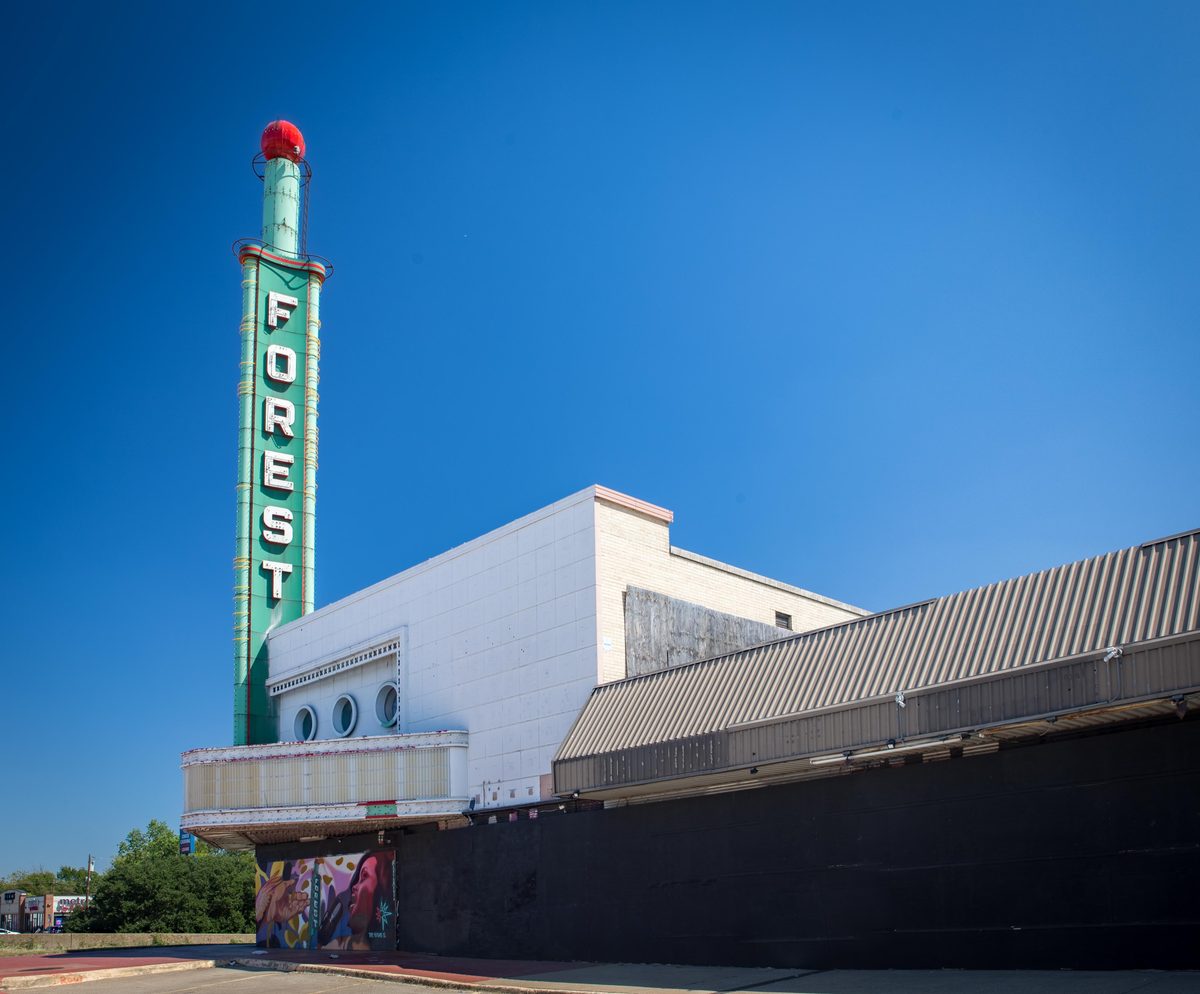
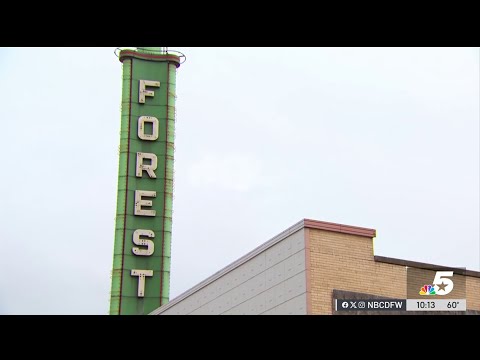
The Forest Theater reopened on Nov. 1, 2026, drawing an estimated 2,500 people to watch its tower and marquee light up for the first time in more than half a century. On Nov. 17, a Starbucks opened inside the building.

What makes this café different is who runs it. Forest Forward, the South Dallas nonprofit behind the theater's $45 million-plus restoration, owns and operates the coffee shop directly, so hiring, wages and daily revenue sit with the nonprofit rather than a franchisee or Starbucks corporate. That turns a coffee counter into a test. Can a community organization run retail at a chain's standard and keep the margin in the neighborhood?

Why it matters

If a nonprofit can run a chain coffee shop to chain standards, the model could fund neighborhood groups beyond galas and grants.

Last Monday's email for Dallas, TX

Sent Nov 16. It carried:

Get next Monday's: one short email a week. Free. Unsubscribe in one click.

Questions about this story

Free account needed to ask — your question is kept and asked for you right after sign-up. Answers are public.

No questions yet — be the first to ask.

Key Indicators

$45M+
Restoration cost
Amount Forest Forward raised and spent to restore the Forest Theater.
2,500
Opening-night crowd
Estimated attendance at the theater's Nov. 1 reopening.
50+ years
Time the theater sat dark
The marquee was relit in November 2026 for the first time in more than half a century.
1
Café owned by the nonprofit
Forest Forward runs the store itself rather than licensing it to an operator.

Voices

Curated perspectives — historical figures and your fellow readers.

Sign up to generate historical perspectives on this story.

Organizations Involved

Timeline

3 events Latest: 2 days ago
  1. Reporting details the nonprofit ownership model

    Latest Report

    Coverage confirms Forest Forward, not a franchisee, runs the café and sets its wages.

  2. Nonprofit-run Starbucks opens inside the theater

    Business opening

    Forest Forward cuts a ribbon with Starbucks and Dallas Regional Chamber representatives; the café serves daily.

  3. Forest Theater reopens after decades dark

    Reopening

    About 2,500 people attend as the tower and marquee are lit for the first time in more than half a century.

Scenarios

1

Forest Forward still runs the café a year after opening

Likely Resolves by Nov 17, 2027

Discussed by: Forest Forward's own hiring materials and the Nov. 18 reporting on its operating model

The store keeps its current structure: the nonprofit employs the staff, sets wages and holds the revenue. This is the outcome the reporting describes as the plan, and the simplest one to check — either the store is still listed as operating under Forest Forward's ownership, or it is not.

2

A second commercial tenant signs on in the Forest Theater building

Possible Resolves by Q2 2028

Discussed by: Forest Forward's description of the building as a multi-use community hub with arts, education and entrepreneurship space

The café is the first retail operation inside the restored building. If Forest Forward announces another paying tenant or opens a next phase of the hub, it would indicate the theater is functioning as a commercial anchor rather than a single event venue.

3

Café closes or converts to a conventional franchise

Unlikely Resolves by Nov 17, 2028

Discussed by: No public source has predicted this; it is the failure case implied by the nonprofit-operating arrangement

Running a coffee shop on nonprofit books carries risks a franchisee would not face: no corporate backstop for losses, and staffing costs that compete with charitable spending. A closure or handover would show the model did not hold financially.

Historical Context

3 moments from history that rhyme with this story — and how they unfolded.

1974-1976

Fox Theatre, Atlanta (mid-1970s)

A 1920s movie palace slated for demolition was bought by a preservation group after a public campaign and reopened as a nonprofit performing arts venue. The building had been losing money as a film house before it closed.

Then

The theater reopened for concerts and touring shows, with the preservation organization as owner and operator.

Now

It became one of the busiest live venues in the country and anchored redevelopment along its stretch of Peachtree Street.

Why this matters now

The Forest Theater follows the same sequence: a dark historic venue, a nonprofit that takes ownership rather than a commercial buyer, and a bet that programming revenue can sustain the building.

1970s

Playhouse Square, Cleveland (1970s)

A cluster of downtown movie palaces faced demolition. A foundation formed to save and restore them, starting with one theater and adding others over years of fundraising.

Then

Restoration proceeded theater by theater, funded by philanthropy and public money rather than a single developer.

Now

The theaters became the anchor of a downtown district, with offices and restaurants filling in around them.

Why this matters now

It shows the part of the Forest Theater plan that is still unproven: whether a restored venue plus small retail generates enough daily foot traffic to pull other businesses onto the block.

2000s onward

Nonprofit-owned retail as a workforce strategy

A number of U.S. nonprofits have opened restaurants and cafés they own outright, using the business as both a revenue source and a training pipeline for local workers, rather than as a charity run on grants.

Then

Most such ventures report that operating a business to commercial standards is harder than raising the money to start one.

Now

Survivors tend to be those that kept commercial discipline on staffing and costs while treating the mission as a byproduct of running the business well.

Why this matters now

Forest Forward is now in that position with a national brand attached, which raises the standard it has to meet and makes any stumble more visible.

Sources

(2)