

Pull to refresh
Logo
Denmark's top court upholds 'ghetto law' evictions

Denmark's top court upholds 'ghetto law' evictions

Rule Changes

Seven families in Helsingør lose their final appeal as Denmark continues relocating tenants from areas classed as 'non-Western'

Overview

Updated 17 minutes ago

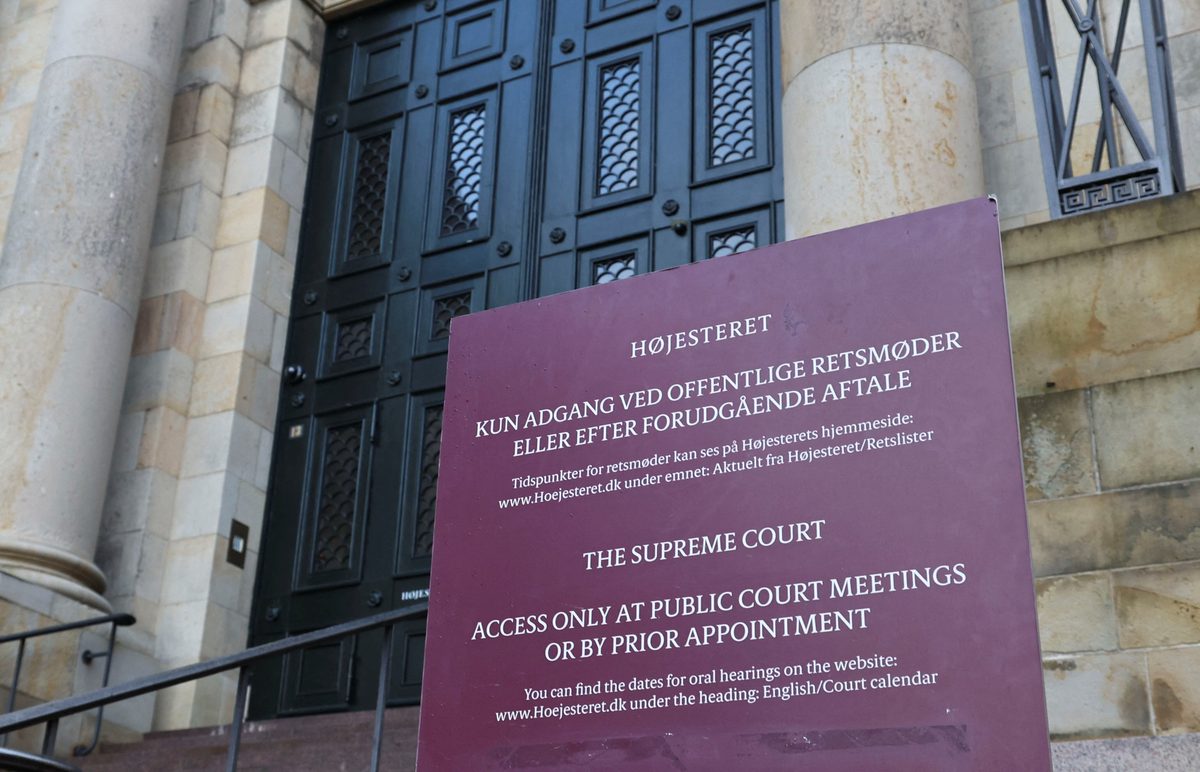
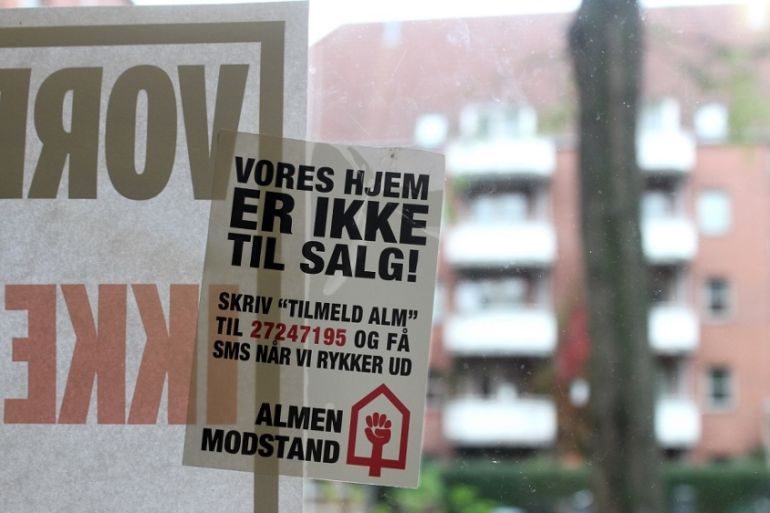
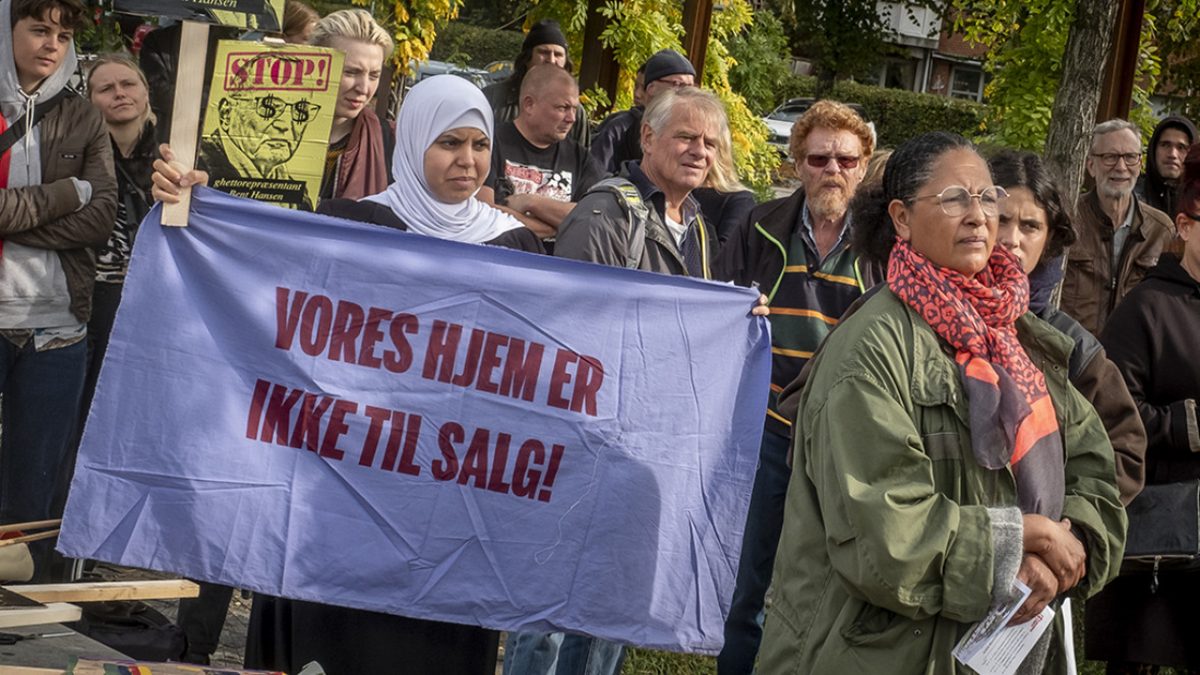
Seven families from a housing estate in Helsingør, north of Copenhagen, lost their final appeal on Monday. Denmark's Supreme Court ruled that ending their leases under the country's 'ghetto law' was not discrimination.

The court held that 'non-Western' is a neutral category, not a stand-in for ethnic origin, because both groups it creates contain many ethnicities and people of the same origin appear in each. The ruling clears the way for about 11,000 tenants to be rehoused by 2030, according to tenants' associations, and weakens similar lawsuits still in the courts.

Why it matters

Denmark can keep moving 11,000 social-housing tenants by 2030 using a criterion the EU's top court said might be discriminatory.

Questions about this story

Free account needed to ask — your question is kept and asked for you right after sign-up. Answers are public.

No questions yet — be the first to ask.

Key Indicators

11,000
Tenants due to be rehoused
Tenants' associations' estimate of people who must leave their homes by 2030 under the law.
60%
Market-rate homes required by 2030
Share of homes in listed estates that must be rented at market rates.
40%
Ceiling on nonprofit family housing
Estates that stay on the list for five straight years must cut nonprofit family homes to this level.
91
Leases terminated in Helsingør
Landlord Boliggarden ended them in 2022; seven families sued and lost.
50%
Non-Western share that triggers listing
Estates also need at least 1,000 residents and must meet two of four social criteria.

Voices

Curated perspectives — historical figures and your fellow readers.

Sign up to generate historical perspectives on this story.

People Involved

Organizations Involved

Timeline

2018 November 2026

7 events Latest: Today
Tap a bar to jump to that date
  1. Nøjsomhed leaves the list

    Designation

    The estate is removed after its population falls below 1,000.

  2. Government drops the word 'ghetto'

    Policy

    Areas become 'parallel societies' and 'transformation areas'; a 'prevention' list uses a 30% threshold.

  3. Nøjsomhed added to the ghetto list

    Designation

    The Helsingør estate is listed, opening the way for lease terminations.

  4. Denmark passes the 'parallel society' law

    Legislation

    Parliament allows relocations from housing areas where more than half of residents are 'non-Western'.

Scenarios

1

Remaining ghetto-law challenges fail on the new precedent

Likely Resolves by End of 2027

Discussed by: Eddie Khawaja, the families' lawyer, and Tine Birkelund Thomsen of the Danish Institute for Human Rights

Lawsuits from Mjølnerparken, Gellerup and other estates are still moving through Danish courts. The Supreme Court's reading of 'non-Western' as neutral binds lower courts, and Khawaja said after the ruling that he expects to lose the cases he still has. If that holds, relocations and demolitions proceed on schedule toward the 2030 targets.

2

Families take the case to the European Court of Human Rights

Possible Resolves by End of 2028

Discussed by: Tine Birkelund Thomsen, who noted the Supreme Court did not address the European Convention on Human Rights

The Supreme Court decided the case on EU ethnic-origin rules and did not reach the Convention. That leaves the families free to argue before the Strasbourg court that the relocations breach protections against discrimination, the route Roma families used successfully in the Czech school cases. A finding against Denmark would not automatically void the law but would force a rewrite.

3

Parliament replaces the 'non-Western' criterion

Unlikely Resolves by Q2 2028

Discussed by: Not predicted by either side in the case; Al Jazeera reports the law has broad political support

Denmark could drop the nationality-based measure and list estates purely on unemployment, crime, education and income. That would remove the legal fight but also shrink the list, since estates with the same social problems and fewer 'non-Western' residents currently face no obligation. No party in the case has proposed it, which makes this the least likely path.

Historical Context

2 moments from history that rhyme with this story — and how they unfolded.

November 2007

D.H. and Others v. Czech Republic (2007)

Eighteen Roma families from Ostrava took the Czech state to the European Court of Human Rights after their children were placed in special schools for pupils with mental disabilities. The placement tests made no mention of ethnicity, but Roma children were far more likely than others to be sent to those schools. The Grand Chamber ruled that a neutral rule producing a stark racial disparity can amount to indirect discrimination.

Then

The court found a violation of the right to education and the ban on discrimination, and ordered the Czech Republic to change how it places pupils.

Now

The judgment became the standard European authority for treating facially neutral criteria as discriminatory when their effect falls on one ethnic group.

Why this matters now

This is the argument the Helsingør families made and lost: that 'non-Western' does the same work as a racial category even though the words avoid naming ethnicity.

June 2015

Texas Department of Housing v. Inclusive Communities Project (2015)

A Dallas fair-housing group sued Texas, arguing that the state's allocation of tax credits kept low-income housing out of white neighbourhoods. The US Supreme Court ruled 5-4 that claims based on discriminatory effects, not just intent, are allowed under the Fair Housing Act. It also set limits: a statistical racial imbalance alone is not enough, and plaintiffs must show a causal link.

Then

The case went back to lower courts and the doctrine survived, but with a higher bar for plaintiffs.

Now

US housing policy can be challenged for disparate impact, yet neutral criteria are not automatically unlawful.

Why this matters now

It shows the middle ground the Danish Supreme Court took: a court can acknowledge that a rule lands unevenly without treating the rule itself as ethnic discrimination.

Sources

(10)