



Pull to refresh
Logo
Spain's cabinet approves housing decrees banning evictions until 2030

Spain's cabinet approves housing decrees banning evictions until 2030

Rule Changes

Two decrees also restrict speculative property purchases, extend leases, and tax tourist flats, with a parliamentary vote set for October 2

Yesterday: Cabinet approves two housing decrees; Abascal offered return

Overview

Updated 1 hour ago

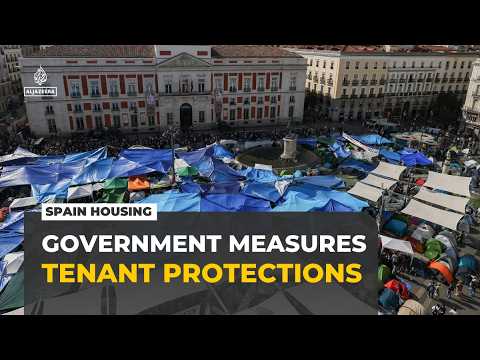
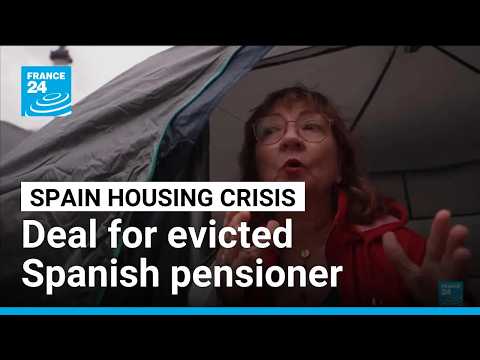
An 87-year-old wheelchair user was carried from her Madrid apartment on September 23 after the fund that owns the building raised her rent from €500 to €2,650 a month. Six days later, Spain's cabinet approved two decrees that block evictions until 2030, restrict investment funds from buying residential property, and extend existing lease contracts.

The decrees face a vote in Congress on October 2, and Prime Minister Pedro Sanchez's minority government needs votes it does not yet have. Junts per Catalunya and Podemos have raised objections. The outcome determines whether Spain's rental market shifts toward stronger tenant protections or the crisis response stalls.

Why it matters

If the decrees pass, Spanish tenants gain multi-year lease security, investment funds lose access to residential purchases, and tourist flat owners face new taxes.

Questions about this story

Free account needed to ask — your question is kept and asked for you right after sign-up. Answers are public.

No questions yet — be the first to ask.

Key Indicators

2030
Eviction moratorium runs to
The extended 'social shield' protects tenants from eviction until December 31, 2030, with stronger enforcement mechanisms.
€2,650
Rent demanded by Urbagestion, up from €500
Nearly double Maricarmen Abascal's monthly pension of €1,350, which triggered her eviction.
10%
Value-added tax on tourist flats
New rate applies to short-term tourist rentals; 4% rate set for public and protected housing.
2
Housing decrees approved by cabinet
First covers evictions and market restrictions; second handles automatic contract renewal and faces more resistance.

Voices

Curated perspectives — historical figures and your fellow readers.

Ever wondered what historical figures would say about today's headlines?

Sign up to generate historical perspectives on this story.

People Involved

Organizations Involved

Timeline

2 events Latest: Yesterday
  1. Cabinet approves two housing decrees; Abascal offered return

    Latest Policy

    Council of Ministers approves eviction ban to 2030, vulture fund restrictions, and lease extensions. Urbagestion offers Abascal return at €500 monthly rent.

  2. Maricarmen Abascal evicted from Madrid apartment

    Eviction

    Wheelchair-bound 87-year-old removed from home of more than seven decades after rent hike to €2,650 monthly; eviction sparks nationwide protests.

Scenarios

1

Congress approves both housing decrees

Possible Resolves by Oct 6, 2026

Discussed by: Government ministers Isabel Rodriguez and Monica Garcia; La Moncloa briefing

The Socialists and Sumar secure enough votes from smaller parties to pass both decrees on October 2. The eviction ban to 2030, vulture fund purchase restrictions, tax measures, and lease extensions take effect. Automatic contract renewal is also approved in the second decree. Rodriguez called on lawmakers for "vision and generosity" in the vote.

2

First decree passes, second fails

Likely Resolves by Oct 6, 2026

Discussed by: Social Affairs Minister Pablo Bustinduy; Spain in English analysis

The automatic contract renewal provision is the 'final sticking point' and sits alone in the second decree, allowing lawmakers to reject it without sinking the broader housing package. Congress approves the first decree covering eviction protections, vulture fund restrictions, and tourist flat taxes, but rejects or forces heavy amendment of the second. This outcome would preserve the core protections while dropping the most contentious tenant-rights measure.

3

Decrees fail or stall in a divided Congress

Possible Resolves by Oct 6, 2026

Discussed by: Junts per Catalunya and Podemos objections; University of Barcelona sociologist Marta Soler Gallart

If the minority coalition cannot secure the needed votes, the decrees fail or are sent back for renegotiation. Soler Gallart noted the measures do not address medium- and long-term supply problems and that extended tenancy agreements disadvantage small landlords. Political pressure over housing would likely continue regardless of the vote, keeping the issue alive into 2027.

Historical Context

3 moments from history that rhyme with this story — and how they unfolded.

2008–2013

Spain's housing bubble and bust (2008-2013)

Spain's construction-driven boom collapsed in 2008, leaving banks, builders, and mortgage holders in distress. Foreclosures and evictions rose sharply in the following years.

Then

Hundreds of thousands of families lost homes; anti-eviction movements like the Platform for Mortgage Victims (PAH) gained national prominence.

Now

Housing precarity became a permanent political fault line; the INE reports the national housing price index has more than doubled since 2014.

Why this matters now

Today's crisis is partly a continuation of the 2008 aftermath, and the new decrees represent the strongest state intervention since that period.

March 2020 – present

Spain's COVID-19 eviction moratorium (2020)

Spain introduced a moratorium on evictions of vulnerable households in the early weeks of the pandemic. The government extended it repeatedly as rental costs continued to outpace incomes across major cities.

Then

Vulnerable tenants gained temporary protection from eviction, renewed through successive extensions.

Now

The 'social shield' became a recurring tool in Spanish housing policy, now extended to 2030 under the new decrees with stronger enforcement mechanisms.

Why this matters now

The new legislation extends the same shield with stronger legal backing, moving it from temporary crisis response toward standing policy.

February 2020 – April 2021

Berlin's rent cap Mietendeckel (2020-2021)

Berlin froze rents for most apartments in the city for five years. Germany's Federal Constitutional Court struck the law down in April 2021, ruling the state lacked jurisdiction to set rent controls.

Then

Rent increases resumed; Berlin had to adjust or refund some payments.

Now

Set a legal boundary for subnational rent control in Germany; the political debate over housing costs continued.

Why this matters now

Shows how aggressive housing interventions can face legal or jurisdictional challenges, a risk Spain's decrees may confront as well.

Sources

(9)