


Pull to refresh
Logo
Detroit issues permit for 32-unit North Corktown townhouse

Detroit issues permit for 32-unit North Corktown townhouse

Built World Detroit, MI local

Third-phase permit at 3075 16th Street is part of Detroit's housing construction push

4 days ago: Permit issued for 32-unit townhouse

Overview

Updated 1 hour ago

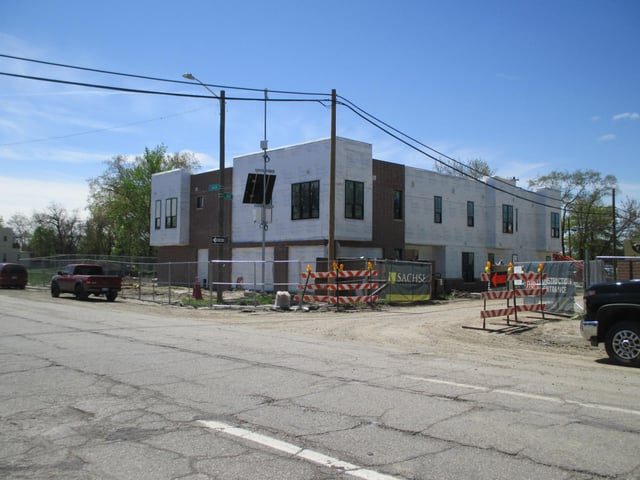
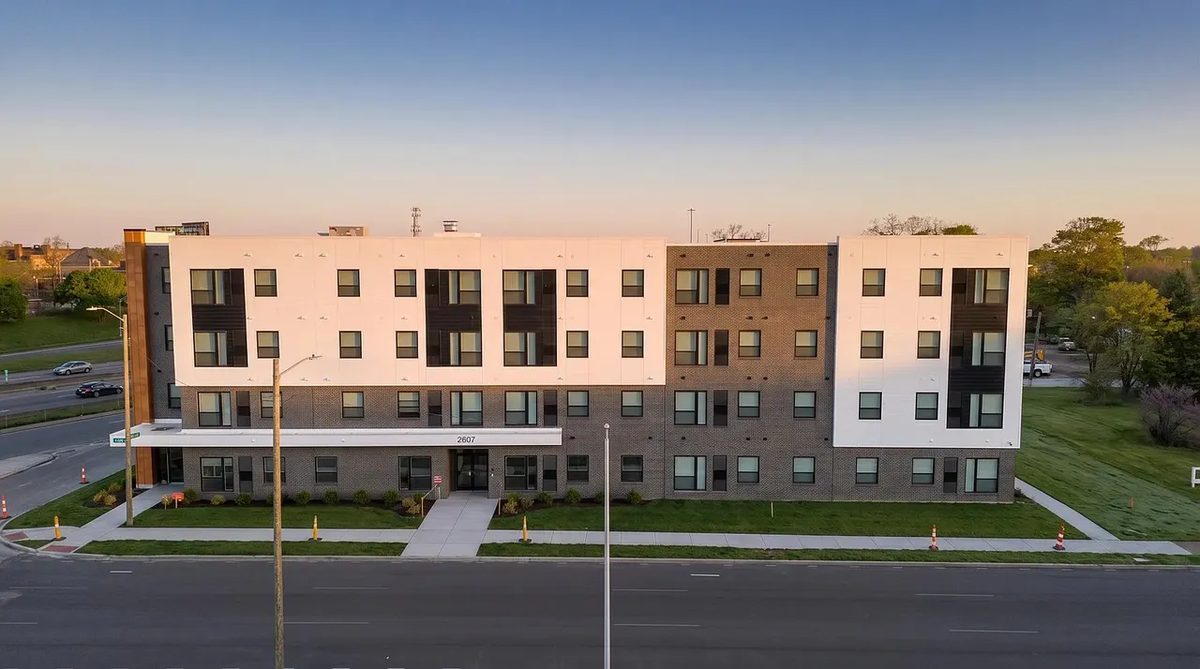
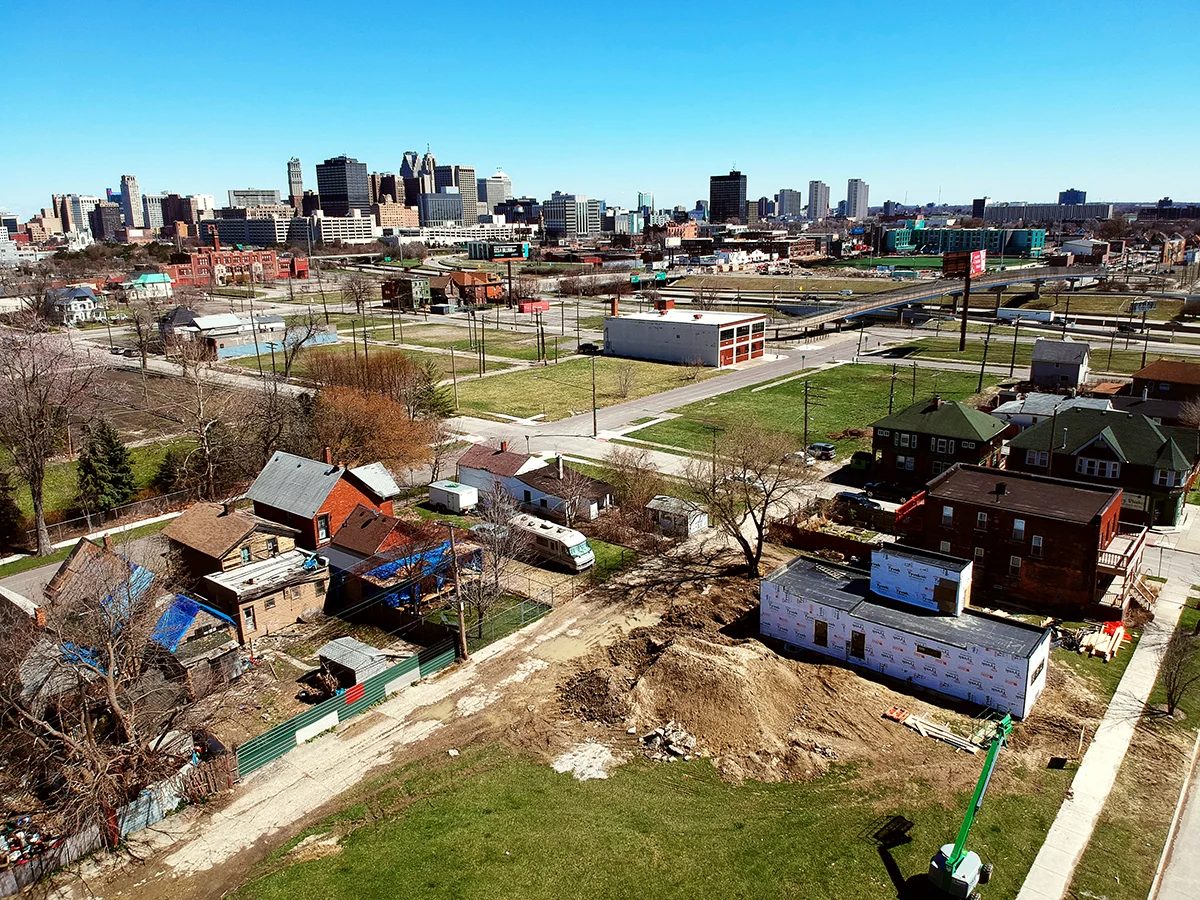
Detroit issued a $2.2 million building permit on October 19 for a three-story, 32-unit residential building at 3075 16th Street in North Corktown. The permit covers Phase III, Building B of a townhouse development on the site.

The permit is part of Mayor Mary Sheffield's push to build 1,000 new homes and cut permit wait times from 30 days to one. City officials describe the current building activity as the largest construction boom Michigan has seen in decades.

Why it matters

This permit moves Detroit toward its 1,000-new-home goal, easing a shortage that ranks Michigan 33rd in housing affordability.

Monday: what changed in Detroit, MI

One short email a week with the openings, closings, permits and council votes we covered. Free. Unsubscribe in one click.

Questions about this story

Free account needed to ask — your question is kept and asked for you right after sign-up. Answers are public.

No questions yet — be the first to ask.

Key Indicators

$2.2M
Contractor's estimated construction cost
Cost estimate for Phase III, Building B at 3075 16th St
32
Residential units in the building
Nineteen one-bedroom and thirteen two-bedroom units
1,000
Mayor's first-term new-home goal
Sheffield's target for new Detroit homes

Voices

Curated perspectives — historical figures and your fellow readers.

Ever wondered what historical figures would say about today's headlines?

Sign up to generate historical perspectives on this story.

People Involved

Organizations Involved

Timeline

2025 October 2026

2 events Latest: 4 days ago
  1. Permit issued for 32-unit townhouse

    Latest Permit

    Detroit issues BLD2025-00654 for 3075 16th St, a 32-unit multi-family dwelling.

  2. Zoning reforms recommended

    Policy

    Detroit City Planning Commission recommends zoning changes to ease housing construction.

Scenarios

1

3075 16th St reaches occupancy

Possible Resolves by Oct 19, 2028

Discussed by: Construction observers tracking Detroit's housing push

The 32-unit building completes construction and receives a certificate of occupancy from BSEED. The developer finishes Phase III of the townhouse development, adding housing supply in North Corktown.

2

Construction stalls at 3075 16th St

Possible Resolves by Oct 19, 2028

Discussed by: Developers familiar with Detroit permitting

Construction fails to start or halts partway, and the project never reaches completion. Detroit has seen permitted projects stall amid funding shortfalls or contractor issues.

3

Detroit hits 1,000-home goal

Possible Resolves by End of 2029

Discussed by: Mayor Sheffield's administration

Detroit reaches its first-term goal of 1,000 new homes, with this and other projects contributing. The city reports the milestone through official announcements.

Historical Context

2 moments from history that rhyme with this story — and how they unfolded.

2025

Michigan's housing affordability decline

Michigan used to build much more housing than it does today and was known for affordable housing. The state has fallen to 33rd in housing affordability and faces a shortage that has driven up prices.

Then

Housing costs rose across the state.

Now

Construction and zoning reform became priorities for state and local leaders.

Why this matters now

This shortage is the backdrop for Detroit's push to build more homes and reform its permitting process.

Past decades

Detroit's zoning restrictions over decades

Detroit's zoning ordinance evolved over time, mostly by becoming more restrictive. Much of the city's current housing stock would likely be illegal to build under newer zoning rules.

Then

Construction became harder in the city.

Now

Detroit's housing inventory stayed low even as the city lost population.

Why this matters now

Proposed zoning reforms aim to reverse this restriction trend by allowing more units per lot and cutting parking mandates.

Sources

(3)