



Pull to refresh
Logo
Dozens of suspected illegal miners die in Nigerian custody

Dozens of suspected illegal miners die in Nigerian custody

Force in Play

Deaths in Niger State NSCDC detention spark protests, investigation

Today: Protests erupt in Minna; police fire tear gas

Overview

Updated 2 hours ago

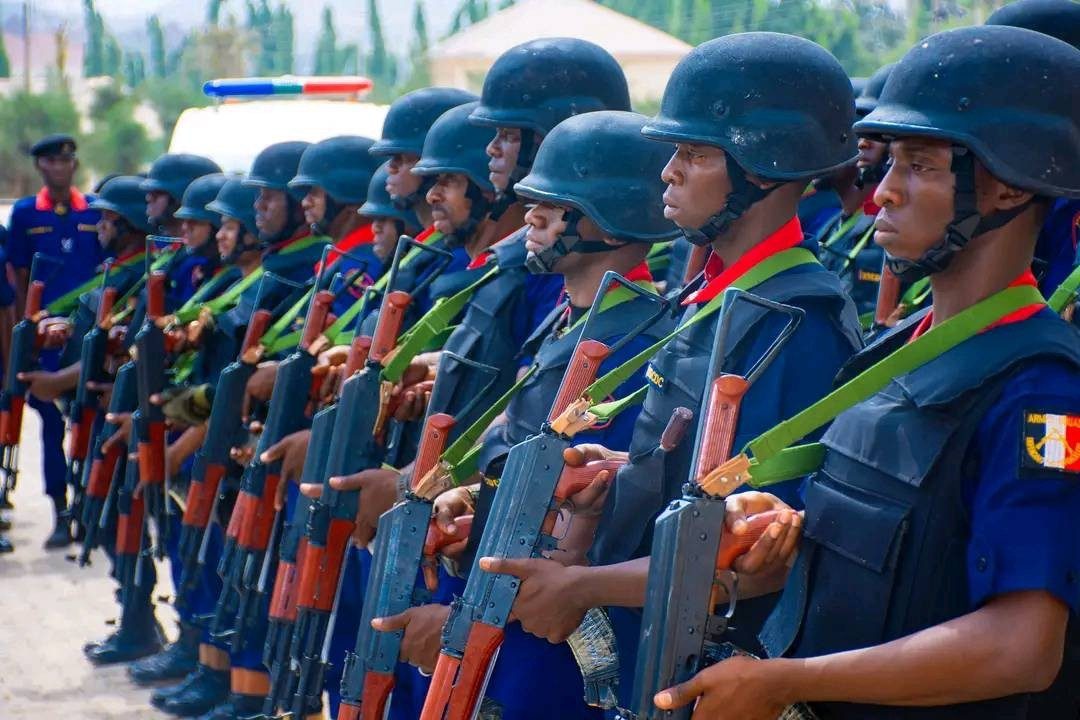
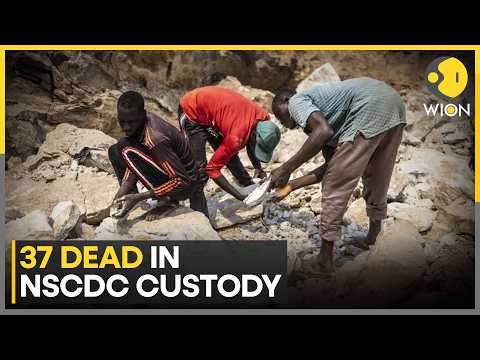
The Nigeria Security and Civil Defence Corps (NSCDC) arrested dozens of young men at suspected illegal gold mining sites in Niger State on September 15 and 16. By September 17, thirty-seven detainees were dead inside the corps' detention facility in Minna.

Officials attributed the deaths to a suspected disease outbreak, but an intelligence report cited overcrowding and poor ventilation. A survivor said 65 detainees were packed into a single cell with no air. Relatives and protesters dispute the official account.

Why it matters

If overcrowding killed these detainees, it exposes a broader failure in Nigerian detention—where most prisoners await trial in severely overcrowded facilities.

Questions about this story

Free account needed to ask — your question is kept and asked for you right after sign-up. Answers are public.

No questions yet — be the first to ask.

Key Indicators

37
Deaths in NSCDC custody
Detainees found dead September 17, two days after arrests at illegal mining sites
65
Detainees packed into one cell
Survivor Dauda Shehu's account of the detention cell conditions
3
Days of mourning declared
Niger State Governor Mohammed Umaru Bago's response to the deaths
2
Detention before deaths
Time between arrests on September 15-16 and the deaths on September 17

Voices

Curated perspectives — historical figures and your fellow readers.

Ever wondered what historical figures would say about today's headlines?

Sign up to generate historical perspectives on this story.

People Involved

Organizations Involved

Timeline

6 events Latest: Today
Tap a bar to jump to that date
  1. Protests erupt in Minna; police fire tear gas

    Today Protest

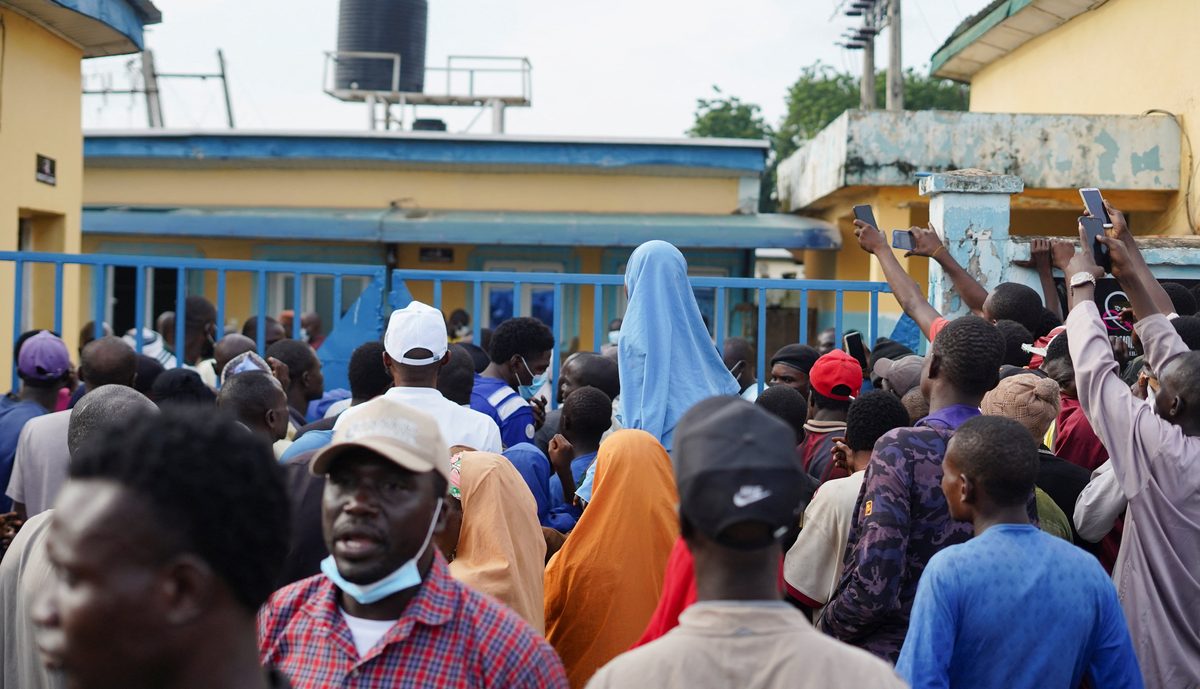
    Dozens of demonstrators, including miners and relatives, gather in Minna with sticks and machetes

  2. 37 detainees found dead in NSCDC Minna facility

    Discovery

    Detainees found dead in early hours inside the NSCDC detention center; bodies taken to Minna General Hospital

  3. NSCDC blames disease; intelligence report cites overcrowding

    Statement

    NSCDC attributes deaths to suspected diphtheria outbreak; intelligence report suggests overcrowding and poor ventilation

Scenarios

1

Investigation confirms overcrowding; NSCDC officers face charges

Possible Resolves by End of 2026

Discussed by: Relatives of the deceased, survivor accounts, Reuters reporting

If the police investigation and the governor's committee of inquiry corroborate survivor testimony about overcrowding and suffocation, criminal charges could follow against NSCDC officers who ran the Minna detention facility. Nigeria has prosecuted security personnel for abuse in past cases, though convictions remain rare. The suspended commandant's fate would hinge on whether investigators find he knew about or tolerated the cell conditions.

2

Disease outbreak confirmed; deaths ruled natural causes

Unlikely Resolves by End of 2026

Discussed by: NSCDC leadership, Nigerian Ministry of Interior

If medical examination at Minna General Hospital confirms the diphtheria theory, the NSCDC could argue the deaths were an unavoidable public health event. No criminal liability would attach, and the political pressure on the corps would ease. Relatives would likely contest the finding, but without independent forensic evidence, the official narrative would hold.

3

Minna protests spread into broader anti-security movement

Unlikely Resolves by Oct 31, 2026

Discussed by: DW, CNN, observers of Nigerian protest cycles

If protests expand beyond relatives to include miners, students, and civil society groups, the deaths could feed a broader movement against security force accountability. Nigeria's #EndSARS protests in 2020 began with localized grievances and escalated into a national mobilization. The January elections in Niger State add a political dimension that could amplify or redirect protest energy.

Historical Context

2 moments from history that rhyme with this story — and how they unfolded.

October 2020

#EndSARS protests (October 2020)

Nigerian youth protested police brutality by the Special Anti-Robbery Squad (SARS), a unit accused of years of documented killings and extortion. The #EndSARS hashtag drew hundreds of thousands to streets in Lagos, Abuja, and other cities within two weeks.

Then

Government dissolved SARS on October 11, 2020, but protests continued. Soldiers shot protesters at the Lekki toll gate on October 20, killing at least 12.

Now

The Lekki massacre became a symbol of state impunity. No senior official faced charges. The episode deepened distrust of Nigerian security forces and fueled broader political mobilization.

Why this matters now

Shows how alleged security force deaths in Nigeria can trigger sustained protest, and how official narratives often conflict with documented evidence—both dynamics now visible in the Minna case.

March 2023

Ciudad Juárez migrant detention fire (March 2023)

A fire at Mexico's National Migration Institute detention center in Ciudad Juárez killed 40 migrants. The fire started after detainees set mattresses ablaze to protest a planned deportation round.

Then

Mexico's migration agency director resigned within days. Federal prosecutors opened a criminal investigation into the deaths.

Now

The incident prompted a nationwide review of migration detention conditions in Mexico, though overcrowding continued.

Why this matters now

A comparable case where mass death in custody led to swift resignations and formal accountability measures, contrasting with Nigeria's initial disease attribution and the need for sustained pressure.

Sources

(10)