
Pull to refresh
Logo
Deadly air strike on Sudan-Egypt border gold mine

Deadly air strike on Sudan-Egypt border gold mine

Force in Play

Egypt's air force blamed for second strike on Sudanese miners this year

Today: Emergency Lawyers reports deaths, accuses Egypt

Overview

Updated 3 hours ago

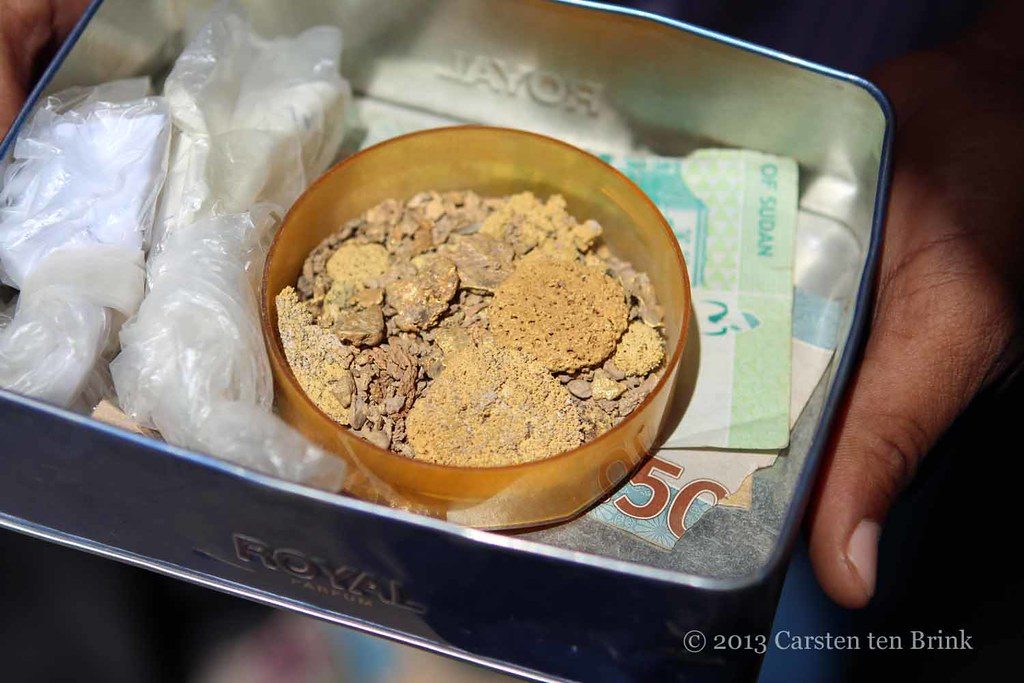
Warplanes struck an artisanal gold mining camp near Sudan's border with Egypt on Saturday, killing at least 72 miners. A Sudanese rights group blames Egypt's air force; neither government has commented.

The strike is the second this year on the same rugged frontier region. Sudan's civil war has pushed hundreds of thousands of civilians into informal gold digging, and Cairo treats that digging as a smuggling threat on disputed territory.

Why it matters

Egypt backs Sudan's army in its civil war; killing Sudanese civilians on disputed ground strains that alliance and risks regional escalation.

Questions about this story

Free account needed to ask — your question is kept and asked for you right after sign-up. Answers are public.

No questions yet — be the first to ask.

Key Indicators

72
Provisional death toll
Miners killed in Saturday's strike, per Emergency Lawyers; the figure may rise.
2nd
Strikes on same mining region this year
Egyptian forces allegedly bombed the same area in June 2026, killing dozens.
2M+
Sudanese artisanal mining workers
Artisanal mining employs more than two million people in Sudan.
80%
Share of Sudan's gold from artisanal mining
Informal digging accounts for over 80 percent of national gold output.
60%
Unofficial gold exports reaching Egypt
Chatham House estimate of smuggled Sudanese gold flows to its northern neighbor.

Voices

Curated perspectives — historical figures and your fellow readers.

Ever wondered what historical figures would say about today's headlines?

Sign up to generate historical perspectives on this story.

People Involved

Organizations Involved

Timeline

June 2026 October 2026

5 events Latest: Today
Tap a bar to jump to that date
  1. Emergency Lawyers reports deaths, accuses Egypt

    Today Statement

    The rights group said Egypt's air force carried out the strike and warned the toll could rise; no official response yet.

  2. Warplanes hit Al-Uqaydat gold mine

    Incident

    At least five missiles struck mining camps near Al-Ansari market, destroying pits with people inside. At least 72 killed.

  3. Egypt confirms large-scale border operation

    Statement

    Egyptian military said it detained 223 people and seized equipment in a sweep against illegal gold prospecting and smuggling.

  4. First strikes hit border mining region

    Incident

    Egyptian forces allegedly used drones and artillery on artisanal mining sites near the border, killing several workers.

Scenarios

1

Egypt admits role, opens investigation into miner deaths

Possible Resolves by End of 2026

Discussed by: Middle East Eye, AFP

Under diplomatic pressure, Egypt's military issues an official statement on the October 10 strike, following the June pattern where Cairo acknowledged a large-scale border security operation without confirming airstrikes. An admission would strain but not break the Egypt–Sudan alliance, since al-Burhan needs Cairo's backing in the civil war.

2

Sudan's investigation names Egypt, formal protest follows

Possible Resolves by Q1 2027

Discussed by: The Sudan Times

Al-Burhan's June investigation into the earlier strikes could extend to cover this attack. A formal finding naming Egypt would force a public confrontation with Cairo, something both governments have avoided so far. The likely outcome is a diplomatic protest, not a break in the alliance.

3

Strikes continue without accountability

Likely Resolves by Q2 2027

Discussed by: BBC News, Al Jazeera

If neither government issues a substantive response, the pattern from June repeats: Egypt continues border operations against informal mining, casualties go unaddressed, and the conflict over the gold-rich frontier simmers. The death toll is likely to keep climbing as artisanal mining expands deeper into the disputed zone.

Historical Context

3 moments from history that rhyme with this story — and how they unfolded.

1995–2000s

Halayeb Triangle Dispute (1995–2000s)

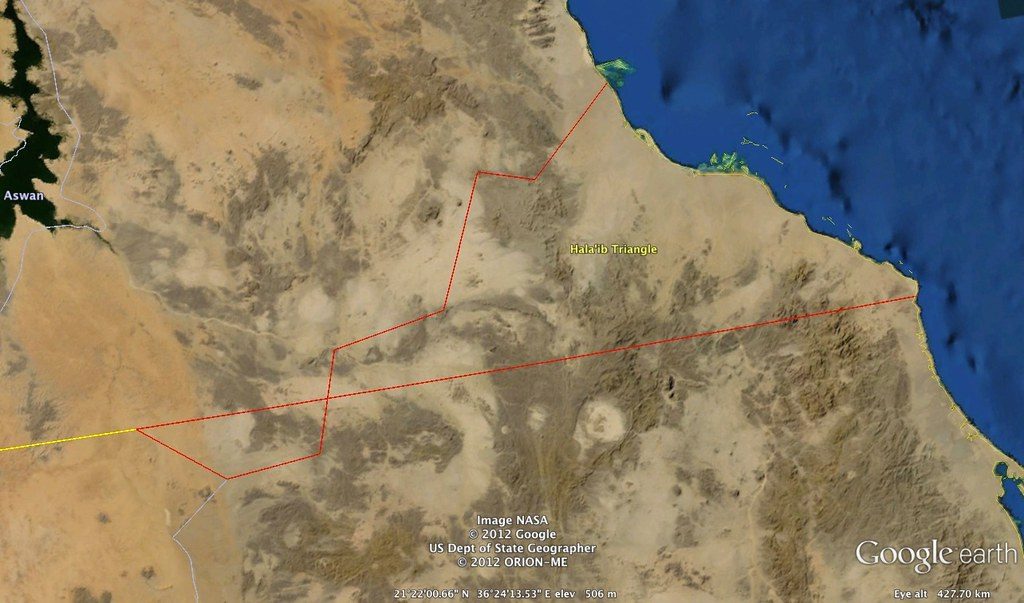
Egypt and Sudan have both claimed the Halayeb Triangle at their Red Sea border for decades. Egypt moved troops into the territory in 1995 and has held it ever since, despite Sudan's continuing claim.

Then

Egypt consolidated control over the triangle; Sudan lodged formal protests but took no military action.

Now

The unresolved dispute left the border region's sovereignty ambiguous, creating a gray zone for smuggling and informal mining.

Why this matters now

Saturday's strike occurred south of the disputed triangle, in territory Sudan says is its own. The same unresolved question of who controls the border and its mineral wealth underpins today's violence.

2011–2013

Sudan's Post-Secession Gold Rush (2011–2013)

When South Sudan seceded in 2011, Sudan lost most of its oil revenue. It turned to gold; thousands of civilians moved into desert areas to dig, and artisanal mining expanded faster than the state could regulate it.

Then

Gold exports surged but much of it flowed through informal channels beyond government control.

Now

Artisanal mining became a permanent part of Sudan's economy, now employing over two million people and producing more than 80 percent of national output.

Why this matters now

This mining boom is why so many civilians are working makeshift pits in remote border areas today—and why Cairo sees the informal sector as a smuggling problem it must police by force.

1991–2002

Blood Diamonds and the RUF (1990s, Sierra Leone)

Sierra Leone's Revolutionary United Front financed its war by smuggling diamonds, giving the rebels an economic base the army could not cut off.

Then

The diamond trade extended the war for years and funded atrocities.

Now

The term 'blood diamonds' entered global policy, leading to the Kimberley Process certification scheme.

Why this matters now

Sudan's RSF follows the same logic: it controls gold fields in Darfur and Kordofan and sells the gold abroad—up to 60 percent to Egypt, per Chatham House—to fund its operations. Gold is not a side issue here; it is how the war is financed.

Sources

(9)