

Logo
Daily Brief
Following
Why
The Great AI Governance War

The Great AI Governance War

Federal Task Force Launches to Crush State AI Regulations

Overview

The DOJ's AI Litigation Task Force began operations on January 10, 2026, with one mission: kill state AI laws in federal court. California, Texas, and Colorado passed comprehensive AI regulations throughout 2025—transparency requirements, discrimination protections, governance mandates. President Trump's December executive order called them unconstitutional burdens on interstate commerce. Now Attorney General Pam Bondi's team will challenge them, consulting with AI czar David Sacks on which laws to target first.

The stakes couldn't be higher. Thirty-eight states passed AI laws in 2025 alone. If DOJ wins, federal courts could preempt the entire state regulatory patchwork, leaving AI development in a Wild West until Congress acts. If states prevail, California and others will set de facto national standards—just as they did with auto emissions and privacy laws. The weapon: $42 billion in broadband funding that states lose if they don't back down. The battlefield: Commerce Clause litigation that could take years to resolve.

Key Indicators

38
States That Passed AI Laws in 2025
From stalking bans to frontier model transparency, states moved fast while Congress stalled.
$42.45B
BEAD Broadband Funding at Stake
Federal infrastructure money threatened for states that keep AI regulations.
73
New AI Laws Enacted in 2025
Across 27 states, creating the regulatory patchwork Trump wants to eliminate.
30 days
Deadline to Establish Task Force
From executive order signing to operational launch, the fastest regulatory turnaround.

People Involved

Donald Trump
Donald Trump
President of the United States (Signed executive order establishing AI Litigation Task Force)
Pam Bondi
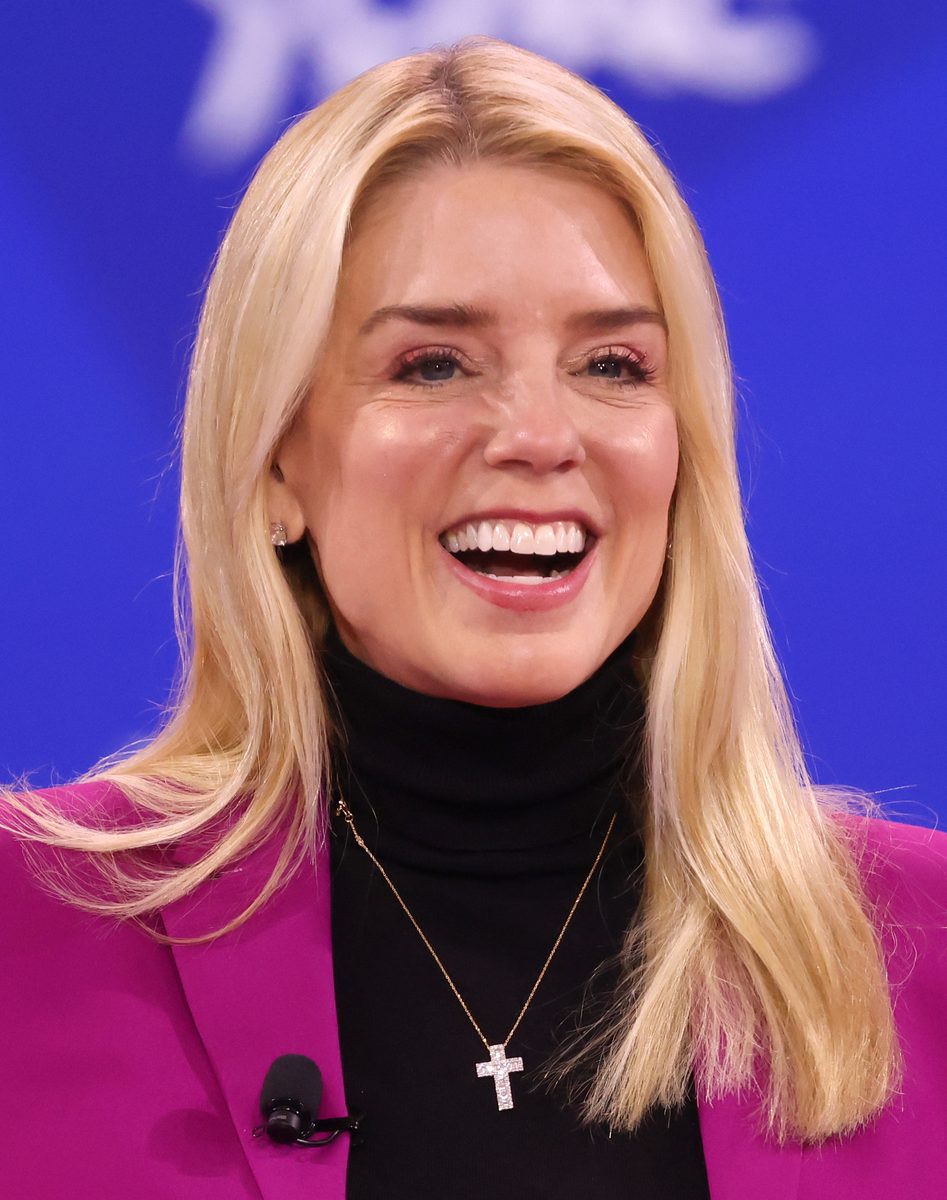
Pam Bondi
U.S. Attorney General (Leading AI Litigation Task Force operations)
David Sacks
David Sacks
White House AI and Crypto Czar (Consulting on which state laws to challenge)
Gavin Newsom
Gavin Newsom
Governor of California (Vowed to defend California's AI laws in court)
Rob Bonta
Rob Bonta
California Attorney General (Preparing legal defense of state AI laws)
Greg Abbott
Greg Abbott
Governor of Texas (Signed Texas Responsible AI Governance Act)
Jared Polis
Jared Polis
Governor of Colorado (Delayed Colorado AI Act implementation amid federal pressure)

Organizations Involved

DO
DOJ AI Litigation Task Force
Federal Law Enforcement
Status: Active, identifying state laws to challenge

Federal strike team created to kill state AI laws through Commerce Clause litigation.

CA
California Privacy Protection Agency
State Regulatory Agency
Status: Defending California's regulatory authority

California's privacy watchdog, now defending state AI regulations against federal challenge.

OpenAI
OpenAI
Technology Company
Status: Lobbying for federal preemption of state laws

ChatGPT creator pushing for uniform federal AI rules to replace state patchwork.

AN
Anthropic
Technology Company
Status: Supported California's SB 53 transparency law

Claude AI creator that broke with Big Tech to endorse state safety regulations.

Timeline

  1. DOJ AI Litigation Task Force Begins Operations

    Investigation

    Task force officially launches, consulting with David Sacks on which state laws to challenge first. Colorado's discrimination law explicitly mentioned as target.

  2. California and Texas AI Laws Take Effect

    Implementation

    SB 53 transparency requirements and Texas governance rules become enforceable despite looming federal challenges.

  3. 24 State AGs Oppose FCC AI Preemption

    Coalition

    Bipartisan group of state attorneys general urge FCC not to issue preemptive AI regulations, warning of constitutional overreach.

  4. Trump Signs AI Preemption Executive Order

    Executive Action

    President orders DOJ to create litigation task force challenging state AI laws on Commerce Clause grounds. Threatens $42B broadband funding. Newsom calls it corruption.

  5. California Passes Frontier AI Transparency Law

    Legislation

    Newsom signs SB 53, requiring developers of models trained with 10^26+ operations to publish transparency reports. Anthropic endorses; OpenAI opposes.

  6. Colorado Delays AI Law Implementation

    Policy Change

    Polis signs bill pushing Colorado AI Act from February to June 2026, citing compliance concerns. Critics see federal pressure.

  7. Texas Enacts Responsible AI Governance Act

    Legislation

    Governor Abbott signs HB 149, banning government social scoring, requiring AI disclosure, and establishing state advisory council. Effective January 1, 2026.

  8. Pam Bondi Confirmed as Attorney General

    Appointment

    Senate confirms former Florida AG 54-46 after Matt Gaetz withdrawal. Bondi becomes enforcer of Trump's regulatory rollback agenda.

  9. Trump Names David Sacks AI and Crypto Czar

    Appointment

    President-elect appoints venture capitalist with 400+ AI investments to combined AI and crypto advisory role, signaling pro-industry stance.

  10. Colorado Passes First Comprehensive AI Law

    Legislation

    Governor Polis signs SB 24-205, creating nation's first comprehensive algorithmic discrimination protections. Law applies to high-risk AI in employment, housing, healthcare, and financial services.

Scenarios

1

DOJ Wins Sweeping Preemption, State Laws Collapse

Discussed by: Legal scholars at Gibson Dunn, Sidley Austin, and pro-industry think tanks

Federal courts rule that state AI laws unconstitutionally burden interstate commerce under the Dormant Commerce Clause. California's transparency requirements, Colorado's discrimination protections, and Texas's governance rules all fall. States lose BEAD broadband funding for non-compliance. AI companies operate under minimal federal oversight until Congress passes comprehensive legislation—which could take years given political gridlock. This mirrors the REAL ID Act outcome where federal standards ultimately prevailed despite initial state resistance.

2

Courts Uphold State Authority, California Becomes De Facto National Standard

Discussed by: State attorneys general, privacy advocates, and federalism scholars

Federal judges reject DOJ challenges, finding no direct conflict between state AI laws and federal regulations (because comprehensive federal AI law doesn't exist). Courts cite the marijuana legalization precedent—DOJ never successfully preempted state cannabis laws despite federal prohibition. California's SB 53 becomes the de facto national standard as AI companies comply to access the largest state market. This follows the California emissions waiver model where the state sets rules that ripple nationwide.

3

Split Decision Creates Maximum Legal Chaos

Discussed by: Corporate compliance attorneys and policy analysts at Wiley, King & Spalding

Courts uphold some state laws while striking others. California's transparency requirements survive but Colorado's algorithmic testing mandates fall. Texas law remains in limbo pending appeals. AI companies face years of uncertainty, forced to maintain dual compliance strategies. Some states modify laws to avoid federal challenges. Congress remains deadlocked. The result: a prolonged regulatory patchwork that satisfies no one—the worst of both worlds.

4

Congress Steps In With Federal Compromise

Discussed by: Congressional staffers and centrist policy groups

The constitutional crisis forces congressional action. Moderate Democrats and Republicans craft federal AI legislation that preempts state laws but incorporates core protections from California, Colorado, and Texas models. States get federal funding in exchange for regulatory authority. Tech companies get uniform rules. The 2025 attempt to pass a 10-year state AI law moratorium failed 99-1 in the Senate, suggesting appetite for federal standards with state consultation.

Historical Context

California Auto Emissions Waiver Battles (1970-Present)

1970-2026

What Happened

Clean Air Act granted California unique authority to set vehicle emissions standards stricter than federal rules. EPA must approve waivers; 17 states adopted California standards. Trump administration revoked waivers in 2019; Biden restored them in 2021; Trump revoked again in 2025 using Congressional Review Act. Eleven states sued to invalidate the 2025 rescission.

Outcome

Short term: Litigation continues for years; automotive industry lobbies for federal uniformity.

Long term: California standards effectively became national as automakers built to strictest requirements rather than maintaining separate production lines.

Why It's Relevant

Shows how large state markets (California = 12% of U.S. economy) can set de facto national standards even amid federal opposition—exactly what's at stake with AI regulation.

State Marijuana Legalization vs. Federal Prohibition (2012-Present)

2012-2026

What Happened

Colorado and Washington legalized recreational marijuana in 2012 despite federal prohibition under Controlled Substances Act. DOJ never sued states for preemption. By 2025, 24 states legalized recreational use and 38 allowed medical use. Federal government argued it would be impossible to comply with both laws, but courts found no true conflict since states merely declined to criminalize, not affirmatively authorized.

Outcome

Short term: State legal markets flourished while federal prohibition remained on books, creating banking and interstate commerce complications.

Long term: Federal government effectively acquiesced to state experimentation; marijuana remained federally illegal but state laws stood unchallenged.

Why It's Relevant

Demonstrates limits of federal preemption when states aren't mandating conduct but regulating it—relevant because state AI laws regulate rather than prohibit, potentially surviving Commerce Clause challenges.

REAL ID Act Federal Standards for Driver's Licenses (2005-2023)

2005-2023

What Happened

Congress passed REAL ID Act in 2005 requiring standardized state driver's licenses for federal purposes like boarding flights. Many states initially refused, citing cost and privacy concerns. Montana, Maine, and others passed laws prohibiting compliance. Constitutional challenges failed in 2007. Implementation deadlines repeatedly extended as states pushed back.

Outcome

Short term: Years of state resistance, but federal courts rejected constitutional challenges to preemption authority.

Long term: All states eventually complied after multiple deadline extensions. Federal standards prevailed but took 18 years of implementation delays.

Why It's Relevant

Shows federal government can impose standards on states through spending power and administrative mandates, but implementation requires years of negotiation—a template for AI regulatory battles ahead.

18 Sources: