



Pull to refresh
Logo
FleetCor to pay $100 million for hidden fuel card fees

FleetCor to pay $100 million for hidden fuel card fees

Money Moves

FTC settlement caps a seven-year fight over unauthorized charges on small business customers

Today: FTC announces $100 million settlement

Overview

Updated 2 hours ago

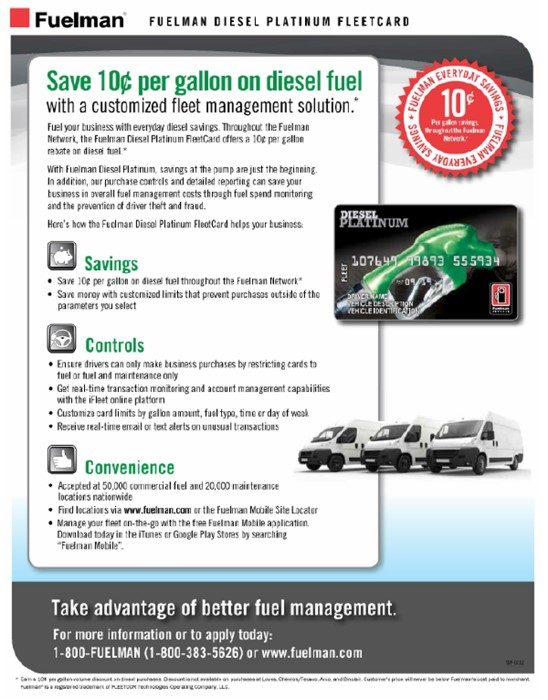
FleetCor, the fuel card company now called Corpay, will pay $100 million to settle charges that it billed small business customers for fees they never agreed to. The Federal Trade Commission (FTC) says the company's fuel cards promised gas savings that never materialized while unauthorized charges stacked up on invoices.

The settlement closes a seven-year enforcement fight. It ran through federal court, where a judge found FleetCor liable, then an appeal that upheld the ruling, then a separate FTC administrative action now resolved. CEO Ronald Clarke pays part of the sum, and the company must get a customer's express, informed consent before charging any fee.

Why it matters

Small businesses that bought fuel cards to cut costs get money back, and FleetCor must now get explicit consent before charging any fee.

Questions about this story

Free account needed to ask — your question is kept and asked for you right after sign-up. Answers are public.

No questions yet — be the first to ask.

Key Indicators

$100 million
Total settlement
Combined payment by Corpay and CEO Ronald Clarke for customer redress.
$53,088
Penalty per future violation
Each violation of the final order can trigger this civil penalty.
2,463 days
Lawsuit to settlement
Time from the initial federal complaint to the announced settlement.
tens of thousands
Customers harmed
The FTC says unauthorized fees totaled hundreds of millions of dollars.

Voices

Curated perspectives — historical figures and your fellow readers.

Ever wondered what historical figures would say about today's headlines?

Sign up to generate historical perspectives on this story.

People Involved

Organizations Involved

Timeline

December 2019 September 2026

6 events Latest: Today
Tap a bar to jump to that date
  1. FTC announces $100 million settlement

    Today Settlement

    Corpay and Clarke agree to pay $100 million to resolve the administrative action and fund customer redress.

Scenarios

1

Consent order finalized, $100 million reaches small businesses

Likely Resolves by End of 2026

Discussed by: FTC

After a 30-day public comment period, the Commission publishes a final Decision and Order. Corpay must pay the full $100 million within 8 days of the order's effective date. The money goes into a redress fund the FTC administers, then is distributed to the harmed business customers.

2

Public comments or challenge delay the settlement

Unlikely Resolves by Q1 2027

Discussed by: Federal Register comment process

The consent agreement is published for public comment, and any party can file objections. If significant objections arrive, the Commission could modify the terms or extend the process, delaying the payment and distribution of redress.

3

Court reimposes injunction against Ronald Clarke

Likely Resolves by Q2 2027

Discussed by: FTC press release

As part of the settlement, Clarke agreed not to oppose reimposition of a federal court injunction against him. The parties return to the Northern District of Georgia, where the court re-enters an injunction consistent with the settlement's terms.

Historical Context

2 moments from history that rhyme with this story — and how they unfolded.

October 2014

AT&T mobile cramming settlement (2014)

The FTC, FCC, and state attorneys general alleged AT&T billed customers for third-party premium text subscriptions, many never ordered, at around $9.99 per month. AT&T kept a share of the fees.

Then

AT&T agreed to pay $105 million total, then the largest cramming settlement, refunding customers.

Now

Carriers faced lasting scrutiny over third-party charges on bills, establishing that companies are liable for unauthorized billing.

Why this matters now

Like FleetCor, AT&T collected money customers never agreed to pay, with charges buried in monthly statements. Both cases test whether companies may bill without clear consent.

April 2021

AMG Capital Management, LLC v. FTC (2021)

The Supreme Court ruled unanimously that Section 13(b) of the FTC Act lets courts order injunctions but not monetary relief such as disgorgement. That stripped the FTC's main federal-court tool for refunding consumers who had been harmed.

Then

The FTC shifted to filing administrative complaints to seek monetary relief in-house while continuing federal suits for injunctions. Parallel tracks became routine.

Now

The ruling reshaped FTC enforcement strategy. Congress later debated restoring the agency's monetary relief authority.

Why this matters now

This is why FleetCor faced both a federal lawsuit and a separate FTC administrative action. The $100 million settlement resolves the administrative track.

Sources

(6)