
Pull to refresh
Logo
North Carolina settles PFAS contamination claims with DuPont and Chemours

North Carolina settles PFAS contamination claims with DuPont and Chemours

Money Moves

Largest environmental damages recovery in state history includes $455 million in payments and a $135 million reserve fund.

6 days ago: State and 11 locals settle PFAS claims for $455M

Overview

Updated 1 hour ago

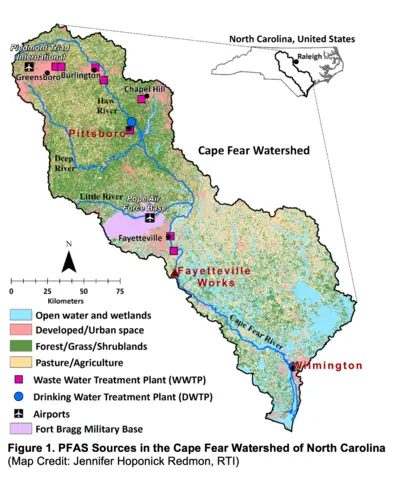
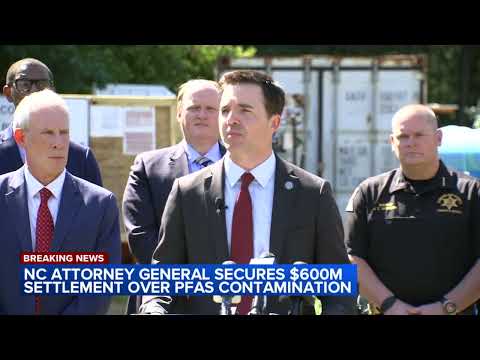
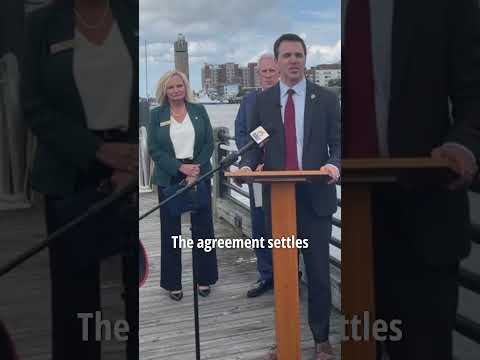
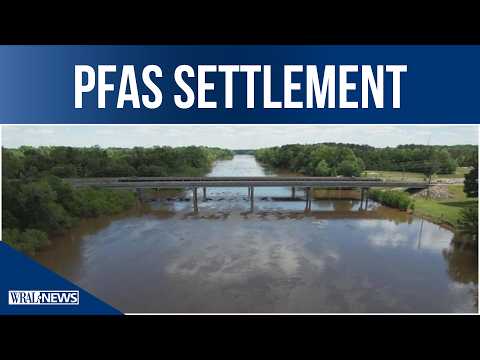
DuPont, Chemours and Corteva agreed to pay North Carolina and 11 local governments $455 million for contaminating the Cape Fear River with PFAS chemicals for about 40 years. The deal, announced September 10, is the largest environmental damages recovery in state history.

Half a million people draw their drinking water from that river. A separate $135 million reserve fund guarantees Chemours keeps filtering thousands of contaminated private wells for decades, even if the company goes under.

Why it matters

This deal funds decades of Cape Fear River PFAS cleanup—clean drinking water for 500,000 residents and filtration for 10,500 families with tainted wells.

Questions about this story

Free account needed to ask — your question is kept and asked for you right after sign-up. Answers are public.

No questions yet — be the first to ask.

Key Indicators

$455M
Settlement payments over 15 years
Paid by DuPont, Chemours and Corteva to the state and 11 local governments.
$135M
Reserve fund for cleanup obligations
Guarantees Chemours' consent-order work continues even if the company fails financially.
$2B
Total value recovered by state and locals
Includes settlement payments, reserve fund and Chemours' $1.2 billion in compliance spending.
500,000
Residents drawing water from Cape Fear River
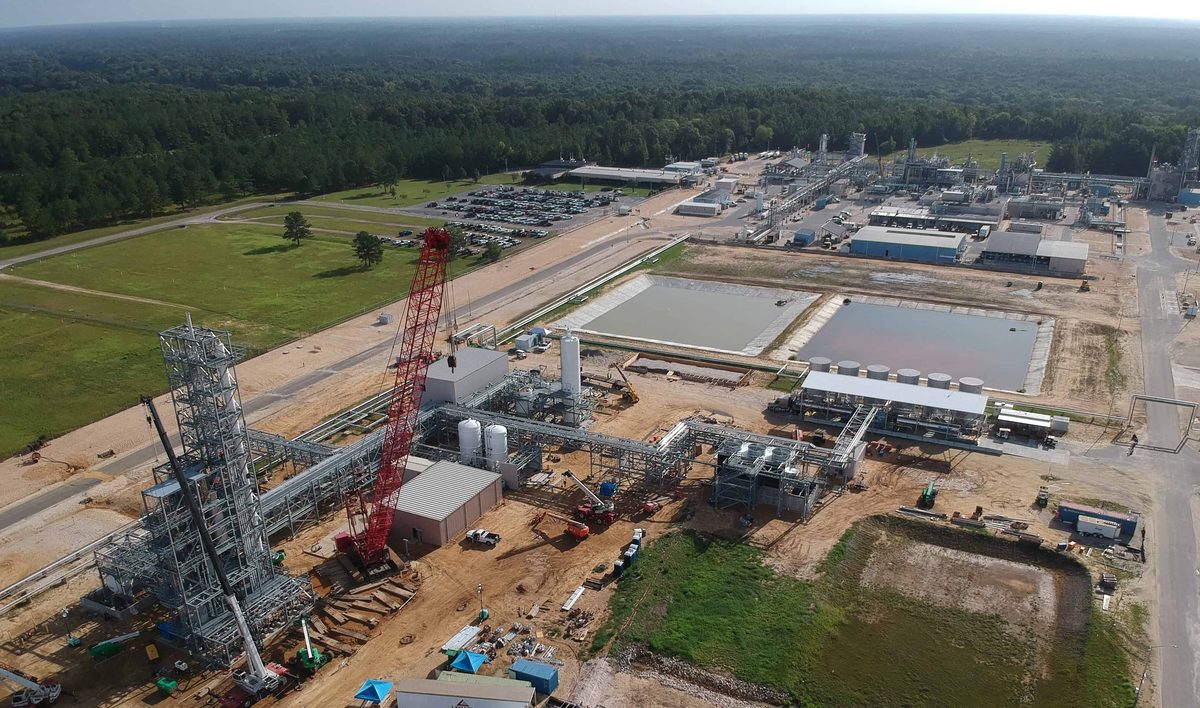
The river was contaminated by decades of PFAS discharges from Fayetteville Works.
10,500
Families offered clean drinking water
Chemours sampled about 27,500 wells and offered filtration to homeowners with PFAS pollution.

Voices

Curated perspectives — historical figures and your fellow readers.

Ever wondered what historical figures would say about today's headlines?

Sign up to generate historical perspectives on this story.

People Involved

Organizations Involved

Timeline

January 1971 September 2026

5 events Latest: 6 days ago
Tap a bar to jump to that date
  1. State and Chemours sign consent order

    Regulatory

    NCDEQ orders Chemours to stop wastewater discharges, control air emissions and filter contaminated wells. Includes $12 million penalty.

  2. Chemours takes over Fayetteville Works

    Corporate

    DuPont spins off Chemours, transferring ownership and operation of the plant.

  3. DuPont begins production at Fayetteville Works

    Operations

    Plant starts manufacturing chemicals that release PFAS into air, soil and the Cape Fear River.

Scenarios

1

Settlement holds, first payments flow

Likely Resolves by End of 2026

Discussed by: NC DEQ press release and DuPont corporate statement; settlement terms begin within 30 days of execution

The agreement is already signed. Chemours makes its first payment within 30 days of September 10. Over 15 years, $455 million flows to the state and the 11 local governments. Chemours keeps running the barrier wall, groundwater treatment and well filtration under the 2019 consent order, with the $135 million reserve fund backstopping the work if the company fails.

2

Cape Fear Public Utility Authority secures additional cleanup funds

Possible Resolves by End of 2027

Discussed by: NC DEQ press release, which confirms the utility's separate case continues

The utility, serving Wilmington and surrounding areas, sued Chemours and DuPont for cleanup costs in its service area. It was excluded from this settlement. A separate verdict or settlement would add to the roughly $2 billion in value already recovered from the companies.

3

NCDEQ blocks or delays Chemours' PFAS expansion

Uncertain Resolves by Q2 2027

Discussed by: Cape Fear River Watch via Coastal Review; the group argues expansion contradicts the cleanup effort

Chemours applied in fall 2025 to modify its air quality permit to support expanded PFAS production at Fayetteville Works. The agency has not acted. A denial would signal a stricter regulatory posture after the settlement. Approval would let the company increase output despite its cleanup obligations.

Historical Context

2 moments from history that rhyme with this story — and how they unfolded.

2001-2017

DuPont Parkersburg PFOA case (2001-2017)

DuPont used PFOA (a PFAS chemical) at its Washington Works plant in Parkersburg, West Virginia for decades. Farmers and residents sued in 2001 after their cattle died and their water tested positive. DuPont settled in 2004, paying $107 million and funding a health study that linked PFOA to kidney cancer and testicular cancer.

Then

In 2017, DuPont agreed to pay $671 million to settle about 3,500 personal injury lawsuits over PFOA exposure.

Now

The case established scientific and legal precedent linking PFAS exposure to human disease, setting the pattern for all subsequent PFAS litigation against the company.

Why this matters now

Same company, same chemical class. DuPont's liability for PFAS health harms was proven here years before North Carolina's case, eroding the legal defenses the company used elsewhere.

June 2023-2024

3M PFAS settlement (2023-2024)

3M agreed in June 2023 to pay $10.3 billion over 13 years to public water systems nationwide that detected PFAS. A federal court approved the settlement in 2024, raising the total to $12.5 billion to cover the final class.

Then

About 12,000 water systems received payouts scaled to their measured PFAS levels.

Now

The settlement became the benchmark for corporate PFAS liability to water suppliers, ahead of EPA drinking water standards that took effect in 2024.

Why this matters now

It set the template for massive corporate PFAS payouts that the North Carolina settlement follows, and it established the legal framework of liability for water contamination across the industry.

Sources

(10)