
Pull to refresh
Logo
US imposes antidumping duties on freight rail couplers from India and the Czech Republic

US imposes antidumping duties on freight rail couplers from India and the Czech Republic

Rule Changes

Czech producer CKD Kutná Hora takes a 73.56% cash deposit rate; Indian suppliers range from zero to 71.01% after two companies were hit with facts-available margins.

Overview

Updated 2 hours ago

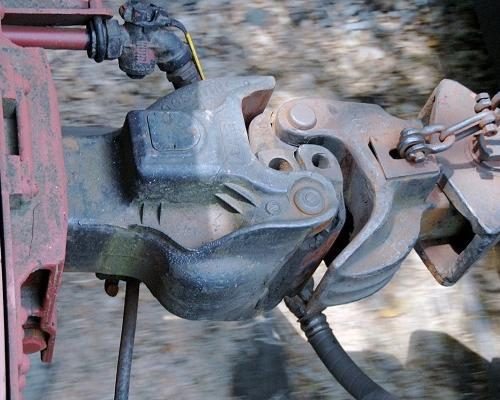
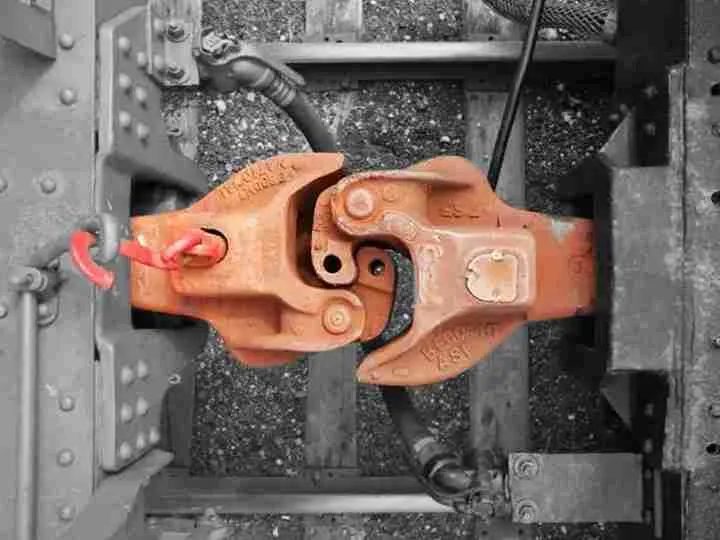
Freight rail couplers are the cast-steel hooks that lock train cars together. Couplers made in the Czech Republic and India now carry U.S. antidumping duties, with a 73.56% rate for Czech imports and Indian rates running from zero to 71.01%.

The orders close a six-month case in which the U.S. International Trade Commission found domestic coupler makers injured by the imports. Commerce also corrected a calculation error that reset the Czech rate. Duties reach back to entries made on or after May 6, 2026, though goods that cleared customs between November 2 and November 12 escape them.

Why it matters

Couplers imported from India and the Czech Republic now carry duties as high as 73.56%, raising costs for the freight-car builders that buy them.

Questions about this story

Free account needed to ask — your question is kept and asked for you right after sign-up. Answers are public.

No questions yet — be the first to ask.

Key Indicators

73.56%
Czech Republic dumping margin
Applies to CKD Kutná Hora A.S. and all other Czech producers after Commerce corrected a ministerial error.
71.01%
India's facts-available rate
Assigned to Bhilai Engineering Corporation and Jupiter Wagons, both penalized for not cooperating fully.
9.02%
India all-others rate
The rate for Indian producers not named in the order; the cash deposit is 1.54% after subsidy offsets.
0.00%
Kharagpur Metal Reforming cash deposit
Its 2.32% margin was fully offset by countervailable subsidies, leaving no cash deposit.

Voices

Curated perspectives — historical figures and your fellow readers.

Sign up to generate historical perspectives on this story.

Organizations Involved

Timeline

May 2026 November 2026

8 events Latest: Today
Tap a bar to jump to that date
  1. Orders issued, Czech rate corrected

    Today Order

    Commerce issues the dumping orders and fixes a ministerial error, setting the Czech cash deposit at 73.56%.

  2. Injury finding published

    Federal Register

    Publication restarts suspension of liquidation and cash deposit collection at the border.

  3. ITC finds injury

    Determination

    The commission notifies Commerce that U.S. producers are materially injured by the imports.

  4. Final determinations published

    Federal Register

    The Czech and Indian final determinations appear in the Federal Register, opening a comment window on errors.

  5. Commerce announces final margins

    Determination

    Final affirmative dumping findings issued for both countries, alongside a subsidy finding for India.

Scenarios

1

First administrative review keeps coupler duties near current levels

Possible Resolves by Q2 2029

Discussed by: No public forecast yet; the review is the next scheduled step under U.S. antidumping practice.

A domestic producer or importer can request a review on the first anniversary of the order, prompting Commerce to recalculate margins from actual 2026-2027 sales. Unless a respondent shows it now cooperates, the facts-available rates for Jupiter Wagons and Bhilai Engineering tend to persist through review.

2

Court of International Trade remands India's facts-available rates

Possible Resolves by Q2 2028

Discussed by: Trade lawyers who handle appeal of Commerce margin calculations at the Court of International Trade.

Jupiter Wagons and Bhilai Engineering received 71.01% margins because Commerce used adverse facts available when they did not supply requested data. They can challenge the order at the Court of International Trade, arguing the record did not support that rate. A remand would send the calculation back to Commerce.

3

India opens a WTO challenge to the U.S. facts-available margins

Unlikely Resolves by End of 2028

Discussed by: Trade policy analysts who track disputes over how Commerce applies adverse facts available.

India's government could request consultations at the World Trade Organization, arguing the 71.01% punitive rates breach the Anti-Dumping Agreement. Japan won a similar argument over U.S. facts-available practice in hot-rolled steel in 2001, though a ruling would take years and would not by itself cut the deposits.

Historical Context

3 moments from history that rhyme with this story — and how they unfolded.

1982-present

U.S.-Canada softwood lumber trade war (1982-present)

U.S. lumber producers have filed repeated antidumping and countervailing duty cases against Canadian softwood lumber, arguing that provincial stumpage fees amount to subsidies. The fights produced export taxes, a 1996 agreement, NAFTA panel rulings and a 2006 settlement before new duties returned in 2017.

Then

Each case ended with duties or a negotiated quota that raised U.S. lumber prices.

Now

The cycle established that AD/CVD orders on a single input can persist for decades and be re-litigated repeatedly.

Why this matters now

Coupler duties follow the same pattern: a narrow imported component, a domestic producer complaint, and a margin that outlasts the case that produced it.

1999-2001

Japan's WTO challenge to U.S. facts-available margins (2001)

The U.S. imposed antidumping duties on hot-rolled steel from Japan, and Commerce filled gaps in the record with adverse facts available for companies it said did not cooperate. Japan challenged the practice at the World Trade Organization.

Then

The WTO Appellate Body found the U.S. use of facts available inconsistent with the Anti-Dumping Agreement.

Now

The ruling pushed Commerce to justify punitive margins more carefully, though the practice continued.

Why this matters now

The 71.01% rates on Jupiter Wagons and Bhilai rest on the same tool, making them the most likely target of any legal challenge.

March 2002-December 2003

U.S. steel safeguards (2002)

President Bush imposed tariffs of up to 30% on imported steel to give domestic mills time to restructure. Steel-using manufacturers, including railcar and equipment builders, said the duties raised their input costs.

Then

The WTO found the safeguards inconsistent with U.S. obligations, and the tariffs were withdrawn in December 2003.

Now

The episode became the standard example of how protecting one input industry shifts costs onto the manufacturers downstream.

Why this matters now

Freight car builders that buy couplers now face the same cost pass-through, with Indian and Czech supply priced 12% to 74% higher at the border.

Sources

(7)