


Pull to refresh
Logo
Fresenius takes full control of mAbxience biosimilars platform

Fresenius takes full control of mAbxience biosimilars platform

Money Moves

German healthcare group pays up to €750 million for the remaining 45% stake, completing a structure started in August 2022

Today: Fresenius announces deal completion

Overview

Updated 2 hours ago

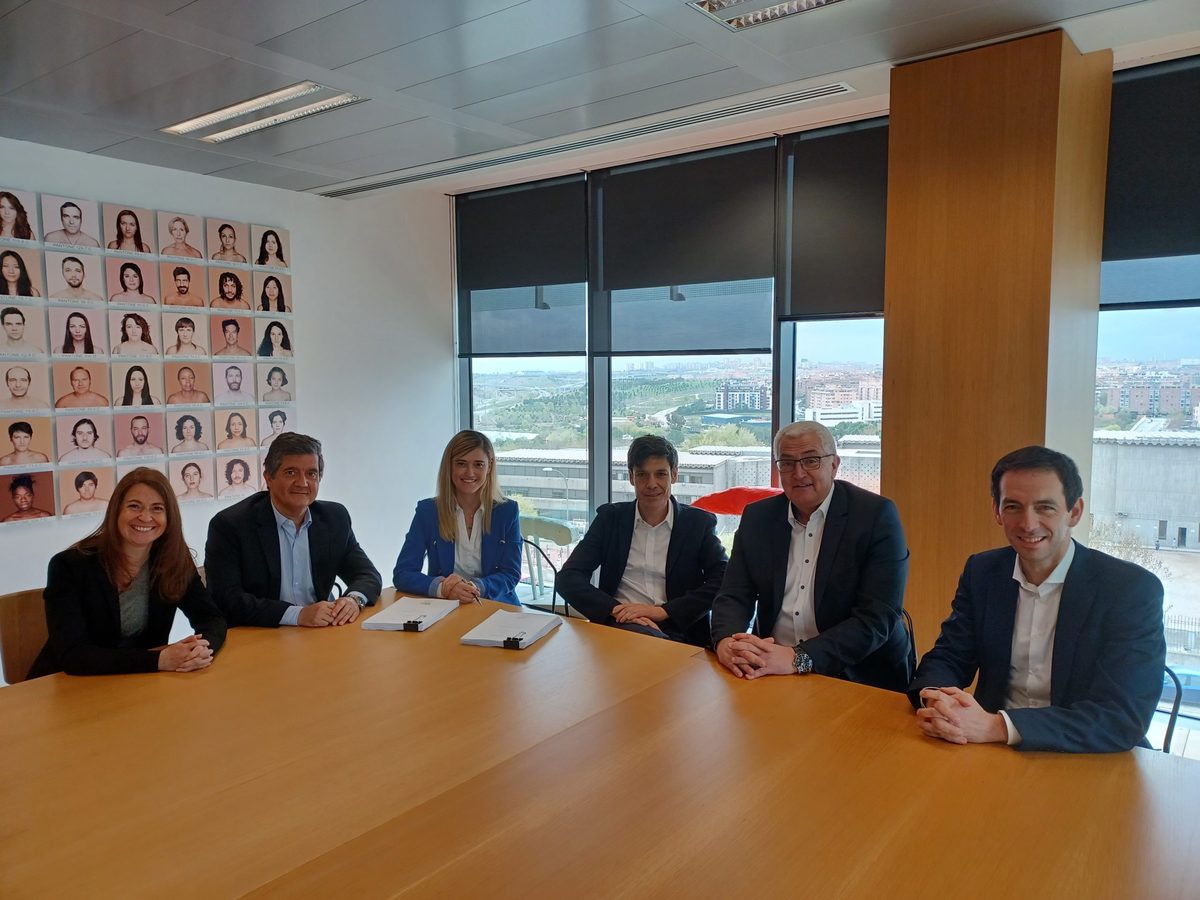
Fresenius now owns 100% of mAbxience. On September 30, the German healthcare group bought the remaining 45% from Insud Pharma for up to €750 million, completing a structure it started in August 2022.

Full ownership folds mAbxience into Fresenius Kabi's biopharma division as a wholly owned, vertically integrated business, covering research, manufacturing, and commercialization. The deal locks in the entire economic benefit of the platform as patents on major biologics expire and the biosimilar market is projected to grow about six-fold, to more than €180 billion, by 2035.

Why it matters

Full ownership lets Fresenius steer every investment and licensing decision in a biosimilar market projected to reach €180 billion by 2035.

Questions about this story

Free account needed to ask — your question is kept and asked for you right after sign-up. Answers are public.

No questions yet — be the first to ask.

Key Indicators

€750M
Acquisition consideration
Up to €750 million in cash, including a €50 million contingent payment upon site approvals.
45%
Stake acquired
The remaining stake in mAbxience, bought from Insud Pharma and Invim Corporativo.
€320M+
mAbxience 2025 revenue
Revenue generated by mAbxience in 2025.
€180B+
Projected biosimilars market by 2035
Expected market size, roughly six times current levels.
1,300+
mAbxience employees
Workforce across three drug substance facilities in Spain and Latin America.

Voices

Curated perspectives — historical figures and your fellow readers.

Ever wondered what historical figures would say about today's headlines?

Sign up to generate historical perspectives on this story.

People Involved

Organizations Involved

Timeline

August 2022 October 2026

3 events Latest: Today
  1. Fresenius announces deal completion

    Today Statement

    Company confirms full ownership, no change to 2026 guidance or 2030 biopharma ambitions.

  2. Fresenius buys remaining 45% of mAbxience

    Acquisition

    Deal signed and completed with no regulatory approvals required, for up to €750 million.

  3. Fresenius takes majority stake in mAbxience

    Acquisition

    Fresenius buys a 55% stake from Insud Pharma and starts consolidating the business.

Scenarios

1

Fresenius signs new biosimilar licensing deal

Likely Resolves by Oct 1, 2027

Discussed by: Fresenius corporate statements, which cite 'greater strategic flexibility to pursue licensing partnerships' as a benefit of full ownership.

A wave of biologics is losing patent exclusivity, creating biosimilar opportunities. With full control, Fresenius can select which opportunities to pursue and sign licensing partnerships. An announcement would come via company press release or results call.

2

mAbxience pipeline candidate wins regulatory approval

Possible Resolves by Oct 1, 2028

Discussed by: mAbxience portfolio status; the company has eight candidates in development.

With multiple candidates in the clinic, at least one may secure approval from the European Medicines Agency or the US Food and Drug Administration. Full ownership gives Fresenius control over which programs advance and how they are commercialized.

3

Fresenius expands mAbxience manufacturing capacity

Possible Resolves by Oct 1, 2027

Discussed by: Fresenius corporate statements, which cite 'greater strategic flexibility to invest in manufacturing capacity'.

The company named manufacturing investment as a benefit of full ownership. Fresenius could expand existing mAbxience facilities in Spain or Latin America, or add new capacity to support the eight pipeline candidates.

Historical Context

2 moments from history that rhyme with this story — and how they unfolded.

January 2023

Humira patent expiry (2023)

AbbVie's Humira, the world's best-selling medicine, lost US patent protection in January 2023. A wave of biosimilar versions launched within months, introducing price competition to a drug that had been a top source of US drug spending.

Then

Multiple biosimilar versions reached the US market, cutting prices for patients.

Now

Turned the US into a major biosimilar market and demonstrated the commercial value of biosimilar platforms.

Why this matters now

Explains why Fresenius is consolidating its biosimilar platform as patents on major biologics continue to expire.

October 2023

Sandoz spin-off (2023)

Novartis spun off its generics and biosimilars unit Sandoz into a standalone company listed on the Swiss stock exchange. Sandoz became one of the world's largest independent biosimilar makers.

Then

Sandoz gained independence to pursue its own biosimilar strategy.

Now

Showed how major pharma companies are organizing for the biosimilar wave.

Why this matters now

Highlights the broader industry pattern of building and separating biosimilar platforms, the same market Fresenius is consolidating.

Sources

(8)