


Pull to refresh
Logo
FTC wins court order freezing assets of phantom debt collection operation

FTC wins court order freezing assets of phantom debt collection operation

Rule Changes

A federal judge in Los Angeles froze the assets of McDonnell & Associates and appointed a receiver while the case proceeds

Overview

Updated 1 hour ago

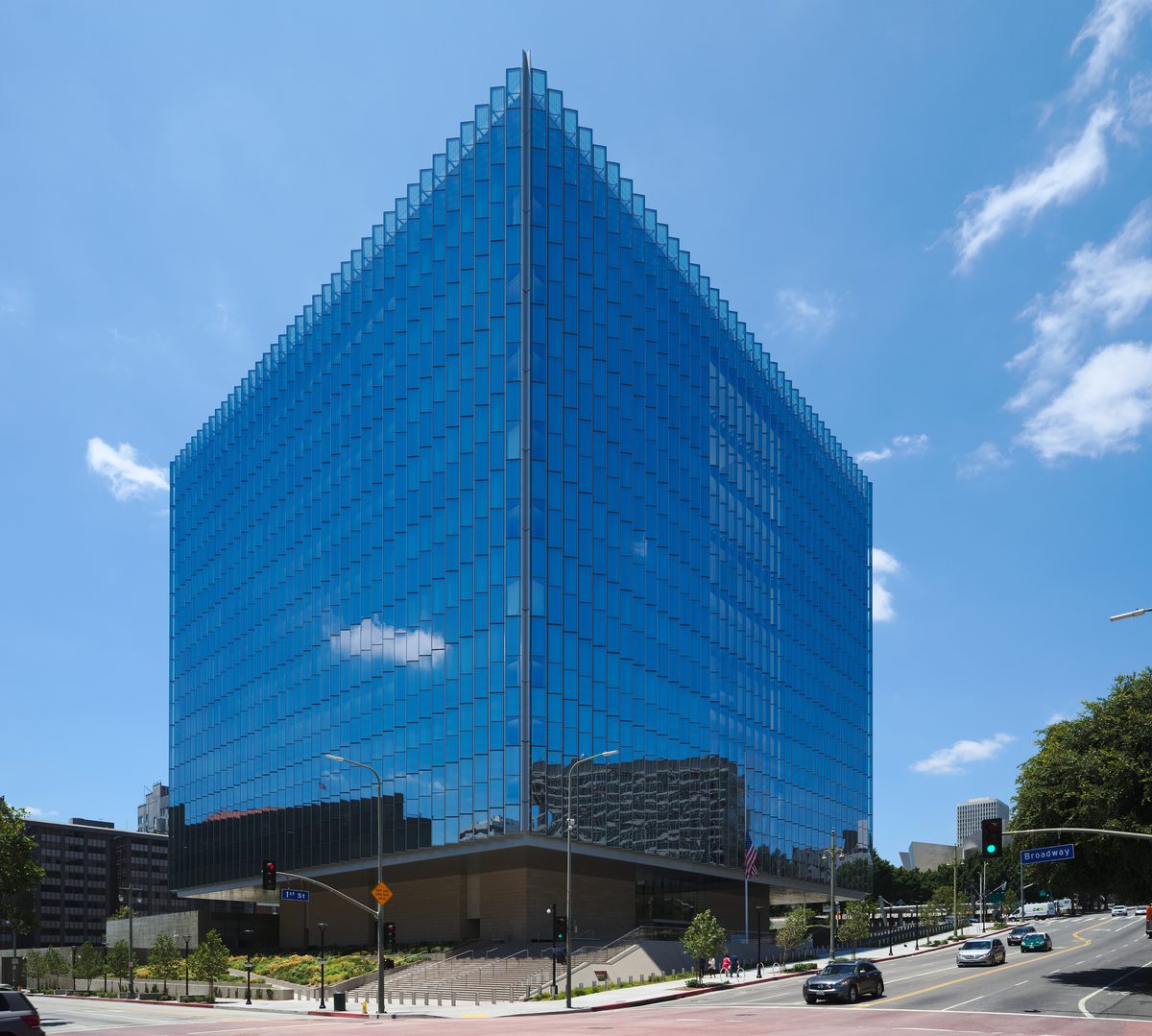
A federal judge in Los Angeles froze the assets of a debt collection business accused of posing as a law firm and threatening consumers over debts many of them did not owe. The order, issued November 5 at the Federal Trade Commission's request, also placed the company under a court-appointed receiver.

The FTC says consumers paid more than $20 million to McDonnell & Associates and the names it operated under. The commission has brought similar phantom-debt cases in 2019, 2020 and 2025, each ending with a court order freezing assets while the case continued.

Why it matters

A court-appointed receiver now controls the business, which limits how much more money can move while the case proceeds.

Questions about this story

Free account needed to ask — your question is kept and asked for you right after sign-up. Answers are public.

No questions yet — be the first to ask.

Key Indicators

$20M+
Consumer payments to the operation
Total the FTC says consumers paid to the defendants.
4
Business names used
McDonnell & Associates, First Capital Group, Maxwell & Bryant Group and Lewis, McDonnell & Associate LLC.
2-0
FTC commission vote
Vote authorizing staff to file the complaint.

Voices

Curated perspectives — historical figures and your fellow readers.

Sign up to generate historical perspectives on this story.

People Involved

Organizations Involved

Timeline

2 events Latest: Yesterday
  1. FTC announces the complaint

    Latest Statement

    The commission publicizes its case against McDonnell & Associates and its two owners, alleging more than $20 million in consumer payments.

Scenarios

1

Judge grants preliminary injunction and the freeze continues

Likely Resolves by Q2 2027

Discussed by: FTC court filings; the standard sequence after a temporary restraining order

After a temporary restraining order, the next step is a hearing on a preliminary injunction. If the judge grants it, the asset freeze and receivership continue while the case moves toward summary judgment or trial. The FTC's complaint asks for a permanent injunction, consumer redress and enforcement costs.

2

Defendants settle and accept a monetary judgment

Possible Resolves by End of 2027

Discussed by: FTC enforcement pattern in prior phantom-debt cases

Most FTC debt collection cases end in a stipulated order rather than a trial. A settlement would set a judgment amount, likely suspend part of it based on ability to pay, and bar the defendants from collecting debts again.

3

Court denies injunction and lifts the asset freeze

Unlikely Resolves by Q2 2027

Discussed by: Defense arguments that would have to prevail at the injunction hearing

The defendants could contest the FTC's evidence that the debts were phantom or that the threats were unlawful. If the judge finds the FTC has not shown a likelihood of success, the freeze could be dissolved and the business could resume operating during the case.

Historical Context

2 moments from history that rhyme with this story — and how they unfolded.

February 2019

FTC phantom-debt sweep (2019)

A federal court in the Western District of North Carolina granted the FTC a temporary restraining order against 10 debt collection companies and six individuals. The agency alleged they falsely held themselves out as attorneys or as affiliated with attorneys to press consumers into paying debts they did not owe.

Then

The order froze the defendants' assets, appointed a temporary receiver and required an accounting of debt records.

Now

The case followed the same template the FTC still uses: freeze first, then seek a permanent injunction and consumer redress.

Why this matters now

The 2026 case repeats the core allegation from 2019: a collection operation claiming attorney status to make threats credible.

March 2025

Blackrock Services phantom-debt case (2025)

The FTC sued Ryan and Mitchell Evans and their companies, which operated under names including Blackrock Services, Blackstone Legal Group and Capital Legal Services. The complaint alleged collectors threatened arrest, wage garnishment and credit damage over debts that never existed.

Then

A federal court in the Central District of California temporarily halted operations and froze assets.

Now

The FTC also invoked its rule against impersonating government and businesses, adding a second legal theory alongside the Fair Debt Collection Practices Act.

Why this matters now

Same courthouse, same basic scheme, one year earlier. It shows the agency is filing these cases repeatedly rather than treating any one as a one-off.

Sources

(5)