


Pull to refresh
Logo
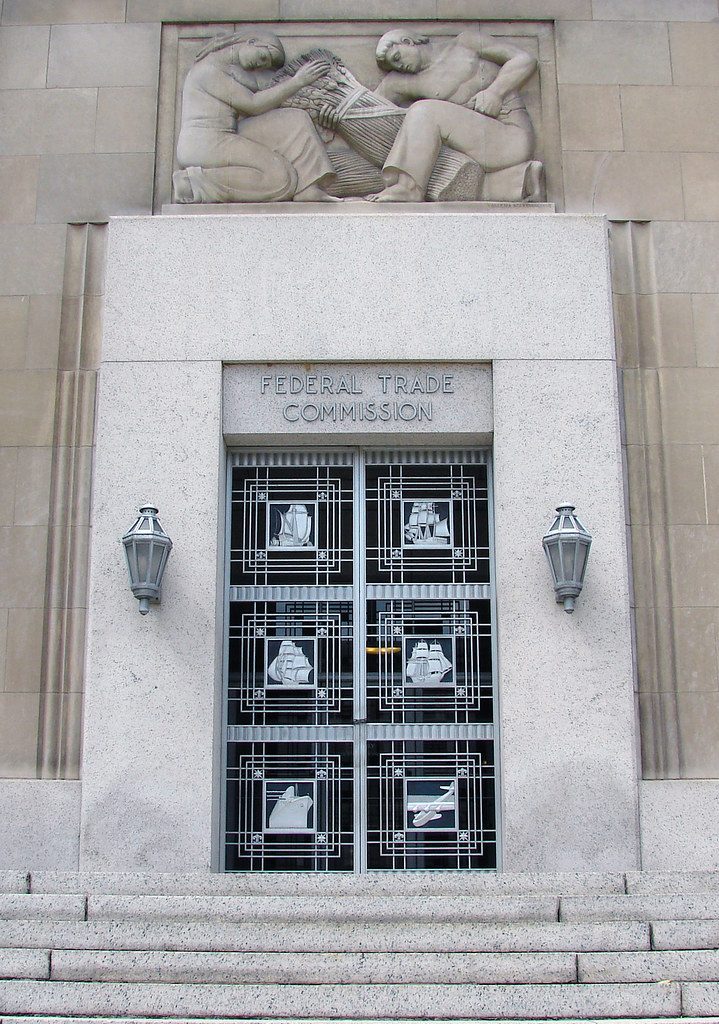
FTC settles with Premier Martial Arts franchisor over deceptive franchise sales

FTC settles with Premier Martial Arts franchisor over deceptive franchise sales

Rule Changes

First FTC action against a franchise sales organization settles for $1.85 million

3 days ago: FTC files complaint and stipulated orders

Overview

Updated 1 hour ago

More than 200 people paid $49,500 or more to open Premier Martial Arts studios after being told they could run them profitably in under 15 hours a week, without martial arts experience. The Federal Trade Commission says those claims were deceptive, and the companies behind them agreed on October 5 to pay $1.85 million to settle.

The settlement is the first time the FTC has pursued a third-party franchise sales organization under the Franchise Rule, which requires franchisors to give buyers accurate disclosure documents. Some franchisees now have 60 days to cancel their agreements without penalty.

Why it matters

Franchise brokers that pitch earnings claims now face new legal exposure, giving buyers a stronger shield against inflated income promises.

Questions about this story

Free account needed to ask — your question is kept and asked for you right after sign-up. Answers are public.

No questions yet — be the first to ask.

Key Indicators

$1.85 million
Combined settlement
PFG and its former sales organization pay $1.85 million total to resolve the FTC charges.
$3.875 million
Judgment against PFG
Judgment is partially suspended; PFG pays $650,000 of it.
200+
Franchise buyers
Consumers who paid initial franchise fees after the alleged deceptive pitches, including veterans.
$49,500
Initial franchise fee
Upfront fee consumers paid to buy a PMA franchise.
$548,345
Claimed average gross sales
2021 average gross sales figure PMA boasted on its website, which the FTC calls misleading.

Voices

Curated perspectives — historical figures and your fellow readers.

Ever wondered what historical figures would say about today's headlines?

Sign up to generate historical perspectives on this story.

People Involved

Organizations Involved

Timeline

2020 October 2026

4 events Latest: 3 days ago
Tap a bar to jump to that date
  1. PFG pauses new franchise signings

    Business

    PFG stops signing new franchise agreements after private lawsuits from existing franchisees over sales and marketing practices.

Scenarios

1

Franchisees cancel agreements, shrinking PMA network

Possible Resolves by Jun 1, 2027

Discussed by: FTC settlement terms; franchising trade press

Eligible franchisees have 60 days from receiving notice to cancel their agreements with no penalty. If a large share takes the offer, PFG loses royalty revenue and studio count, and the brand contracts. The cancellation option excludes legacy franchisees and the franchisees who were party to the settlement.

2

PFG resumes selling PMA franchises under full compliance

Possible Resolves by End of 2027

Discussed by: FTC complaint; franchising trade press

The FTC complaint notes PFG intends to resume selling PMA franchises, potentially within the year. The settlement requires full compliance with the Franchise Rule and prohibits the earnings misrepresentations at issue. If PFG resumes sales with proper disclosure, the brand continues to grow.

3

FTC targets more franchise sales organizations

Possible Resolves by End of 2028

Discussed by: International Franchise Association reaction

This is the first FTC action against a third-party franchise sales organization under the Franchise Rule. The IFA said the rule applies to everyone involved in selling a franchise. Further actions would signal a broader enforcement push against franchise brokers.

Historical Context

2 moments from history that rhyme with this story — and how they unfolded.

October 1979

Franchise Rule adopted (1979)

The Federal Trade Commission adopted a rule requiring franchisors to give prospective buyers a disclosure document covering costs, fees, and any financial performance claims before a sale. It created the baseline disclosure regime for franchise sales in the US.

Then

Franchisors had to standardize what they told buyers, and buyers gained a legal right to see key facts before signing.

Now

The rule became the foundation of franchise regulation, enforced by the FTC and independently by some states.

Why this matters now

This settlement enforces that rule and, for the first time, applies it to a third-party franchise sales organization, not just the franchisor.

January 2007 – July 2008

Franchise Rule amended (2007, effective 2008)

The FTC revised the Franchise Rule, replacing the old disclosure format with the Franchise Disclosure Document (FDD), a 23-item standardized document that franchisors must give prospects at least 14 days before signing.

Then

Franchisors rebuilt their disclosure documents to the new standard by July 2008.

Now

The FDD format is the document at issue in this case: the FTC alleges PFG made deceptive earnings claims in its 2020-2022 FDDs.

Why this matters now

The deceptive claims alleged in this complaint came through the FDDs required by the amended rule.

Sources

(8)