
Pull to refresh
Logo
FTC and 13 states sue to block Covetrus's purchase of MWI

FTC and 13 states sue to block Covetrus's purchase of MWI

Money Moves

The $3.5 billion deal would combine two of the three national distributors of veterinary supplies

Overview

Updated 1 hour ago

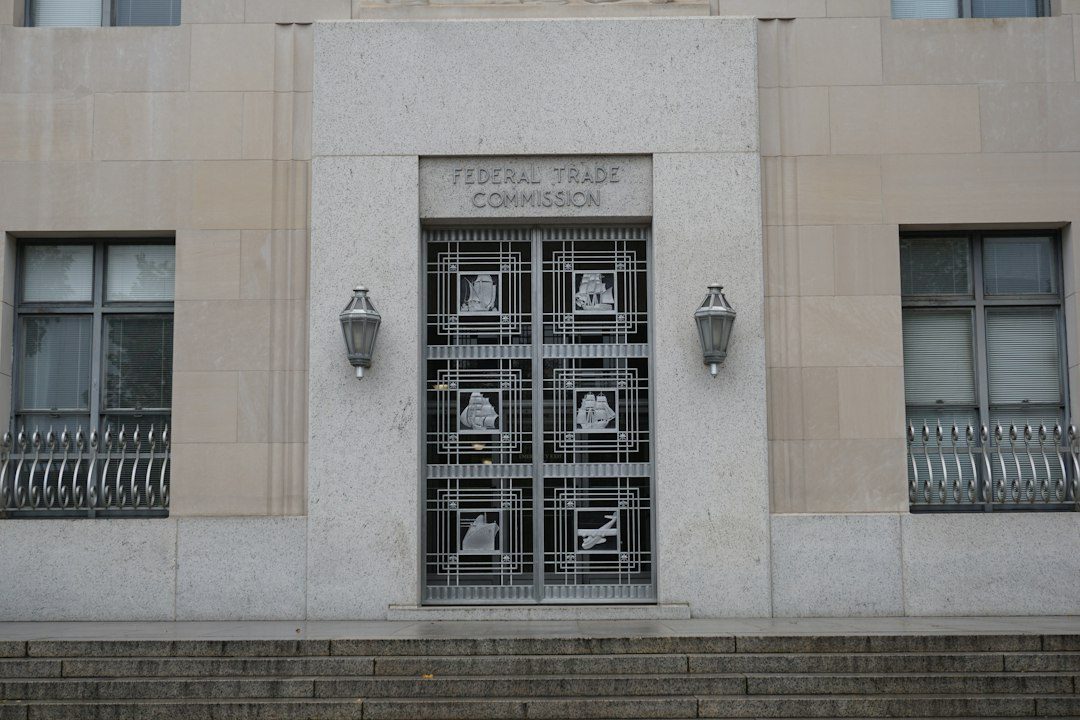
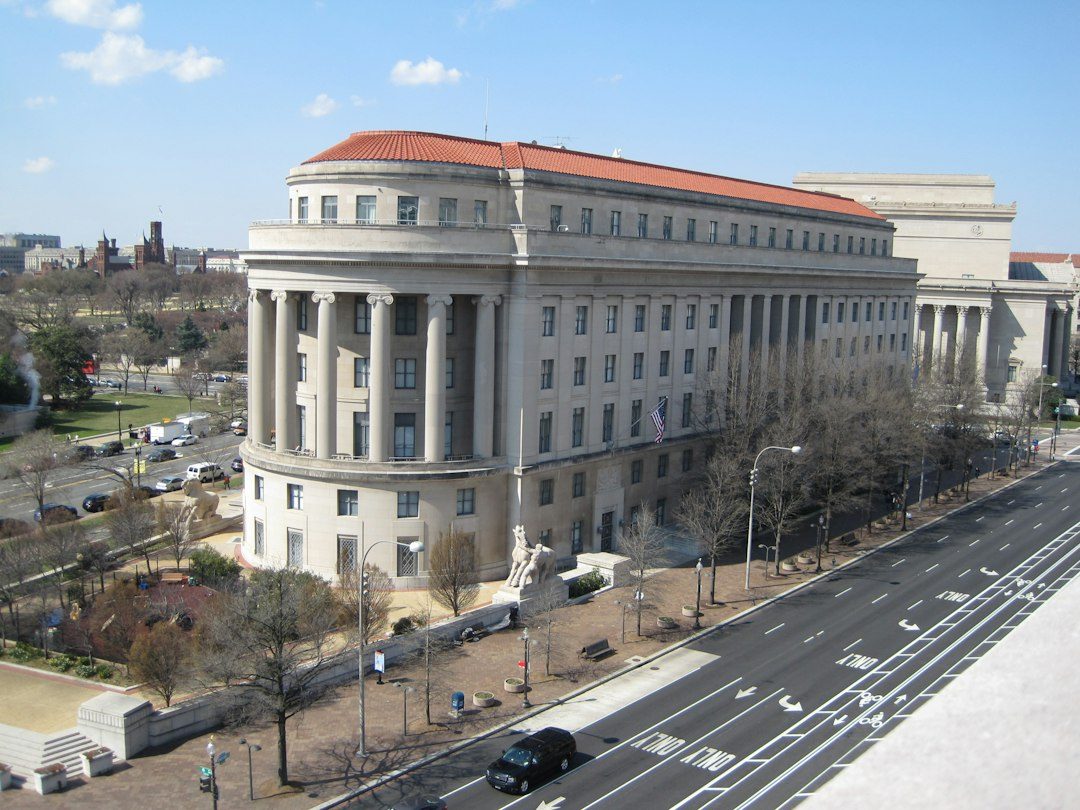
Covetrus agreed in March to buy MWI Veterinary Supply from Cencora for $3.5 billion. On November 13, the Federal Trade Commission and 13 state attorneys general sued in New York federal court to stop it.

Covetrus, MWI and Patterson Veterinary are the three national distributors that stock clinics with drugs, vaccines, gloves and surgical gear. The FTC says folding two of them together would leave clinics with fewer places to buy and push costs onto pet owners.

Why it matters

If the deal closes, U.S. veterinary clinics would have two national suppliers instead of three, weakening the price competition they rely on.

Questions about this story

Free account needed to ask — your question is kept and asked for you right after sign-up. Answers are public.

No questions yet — be the first to ask.

Key Indicators

$3.5B
Purchase price for MWI
Cencora would receive $1.25 billion in cash, $800 million in preferred equity and a 34.3% common equity stake.
13
States joining the FTC suit
Arizona, Arkansas, California, Colorado, Maine, Michigan, Minnesota, Nebraska, New York, North Carolina, Ohio, Oregon and Texas.
50%+
Share of relevant markets the states say the combined company would control
The complaint names veterinary clinic distribution and distribution to large corporate accounts as the two markets.
3
National veterinary supply distributors
Covetrus, MWI and Patterson Veterinary are the three suppliers with nationwide reach.
60%
Rise in veterinary care costs since 2014
California's attorney general cited the increase when announcing the state's participation.
28
Covetrus distribution centers
The national warehouse network is central to the FTC's argument that smaller rivals cannot match the combined firm.

Voices

Curated perspectives — historical figures and your fellow readers.

Sign up to generate historical perspectives on this story.

People Involved

Organizations Involved

Timeline

February 2026 November 2026

4 events Latest: Yesterday
Tap a bar to jump to that date
  1. Covetrus agrees to buy MWI

    Transaction

    Covetrus signs an agreement to acquire MWI from Cencora for about $3.5 billion.

  2. Deal terms announced

    Transaction

    The companies announce terms valuing MWI at $3.5 billion, with Cencora retaining a 34.3% stake.

Scenarios

1

Judge blocks the deal and Covetrus walks away

Likely Resolves by Q2 2027

Discussed by: FTC complaint and the 13 state attorneys general

The court accepts the FTC's two-market definition and finds the combination presumptively unlawful. A preliminary injunction stops the deal, and the parties abandon it rather than fight a full trial. This is the outcome the complaint is built for: the states say Covetrus would control more than half of both markets.

2

Covetrus wins in court and closes the purchase

Unlikely Resolves by Q2 2027

Discussed by: Covetrus and its owners

Covetrus argues the FTC's market is too narrow, pointing to manufacturer-direct sales and online marketplaces that let clinics compare prices across dozens of distributors. If a judge accepts that framing, the government's case collapses and the deal closes. The company has said it is prepared to defend the transaction in court.

3

Settlement lets the deal close with a divestiture

Possible Resolves by End of 2027

Discussed by: Antitrust practitioners watching the case

Rather than litigate to a verdict, the parties negotiate a consent order. Covetrus sells a distribution center, a customer contract book or a business line to a rival, and the FTC drops its objection. The states would have to sign off or continue on their own, which they have shown they are willing to do.

Historical Context

3 moments from history that rhyme with this story — and how they unfolded.

February-June 2015

Sysco and US Foods (2015)

The FTC sued to block Sysco's purchase of US Foods, arguing the two were the main broadline distributors serving large national restaurant chains. A federal judge agreed that the relevant market was defined by customer type, not by all food buyers, and blocked the deal.

Then

Sysco and US Foods called off the merger.

Now

The case became a template for defining distribution markets around the customers who have the fewest alternatives.

Why this matters now

The Covetrus complaint uses the same approach, splitting veterinary clinic distribution from distribution to large corporate practice groups.

February-May 2016

Staples and Office Depot (2016)

Staples tried again to buy Office Depot, after an earlier attempt in 1997 had been allowed. The FTC challenged the 2015 deal, and a judge blocked it in May 2016 after accepting the agency's market of office supplies sold to large business customers.

Then

The companies terminated the merger.

Now

The ruling reinforced that a merger can be stopped even when retail customers have many options, if large institutional buyers do not.

Why this matters now

Covetrus makes a similar argument that clinics can shop online. The FTC answers that large corporate practice groups still depend on a national distributor.

February-December 2024

Kroger and Albertsons (2024)

The FTC and a group of state attorneys general sued to block the grocery merger. Federal judges in Oregon and Washington blocked it in December 2024, and Albertsons terminated the deal and sued Kroger.

Then

The merger collapsed and the two chains went to court against each other.

Now

The case showed that a coalition of state attorneys general can carry an antitrust challenge alongside the FTC.

Why this matters now

Thirteen states joined the Covetrus suit, and they are seeking their own preliminary injunction rather than relying only on the federal agency.

Sources

(9)