
Pull to refresh
Logo
Queensland hands Brisbane's new arena to a Live Nation-led consortium

Queensland hands Brisbane's new arena to a Live Nation-led consortium

Built World

A 17,000-seat venue at Woolloongabba, part-funded by housing on the Gabba's land, with the state's A$600m arriving only after the doors open

Overview

Updated 1 hour ago

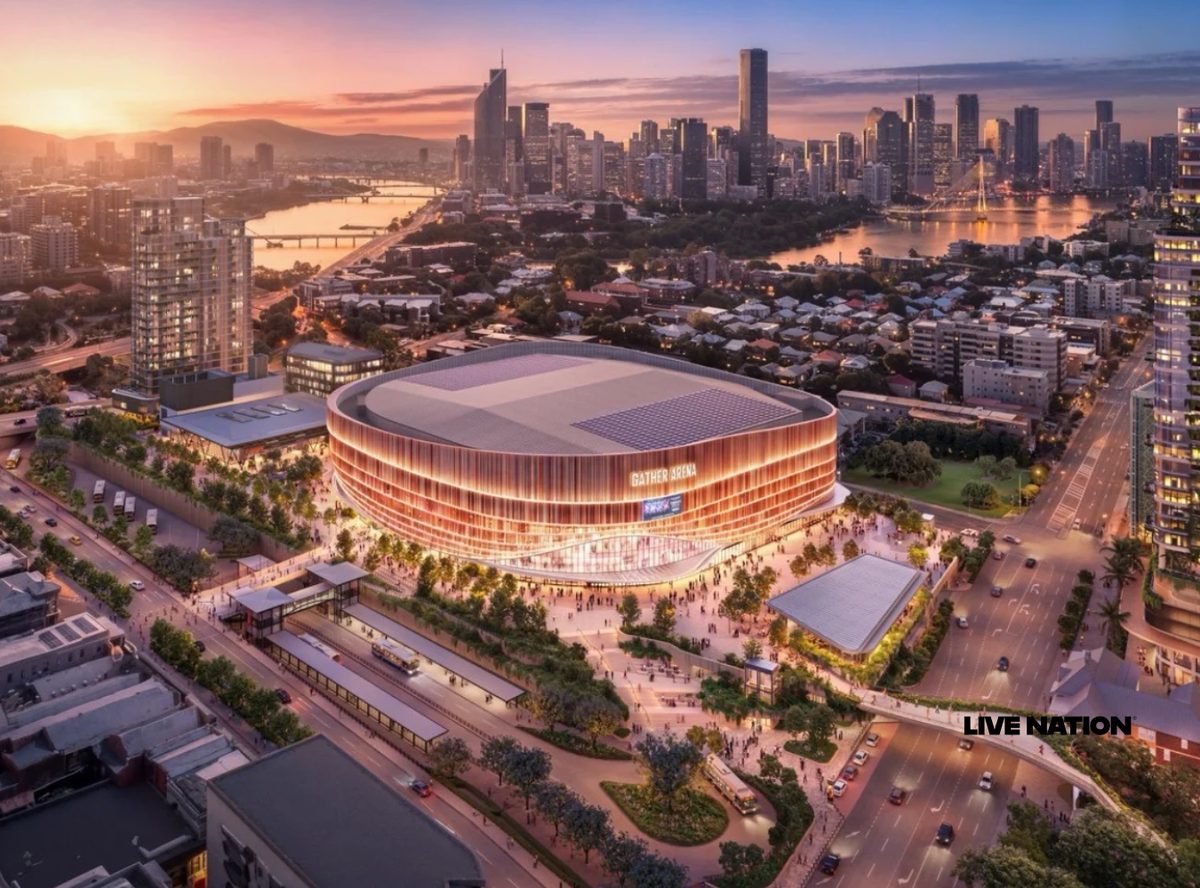
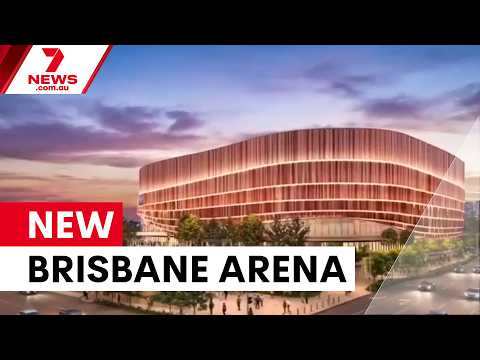
Queensland will not pay its A$600 million share of Brisbane's new indoor arena until the building opens in 2031. In exchange, the Gather Brisbane consortium designs, finances, builds and then runs the 17,000-seat venue for 40 years, and gets development rights to the land the Gabba sits on for about 4,000 homes.

The arena replaces the ageing Brisbane Entertainment Centre at Boondall and is due to open five months before the 2032 Olympics. The structure is the story: the state keeps ownership of the land until at least 2071 and defers its cash, while a group that includes the world's largest concert promoter carries the construction and operating risk.

Why it matters

Brisbane's main indoor venue will be run for 40 years by Live Nation's consortium, with taxpayers paying A$600m only after it opens.

Questions about this story

Free account needed to ask — your question is kept and asked for you right after sign-up. Answers are public.

No questions yet — be the first to ask.

Key Indicators

A$1.4bn
Project value
Total cost of the arena and entertainment precinct, reported as about US$946 million.
A$600m
State capital contribution
One-off payment, made only after the arena is delivered and open in 2031.
17,000
Seated capacity
Rises to 18,700 in concert configuration.
~4,000
Homes planned for the Gabba site
Mix of build-to-rent, build-to-sell, co-living and student accommodation; first tranche targeted for 2037.
40 years
Operating term
Length of the commercial arrangement under which the consortium maintains and runs the arena.
1.2m
Projected annual visitors
Government figure, alongside an estimated 1,500 ongoing jobs.

Voices

Curated perspectives — historical figures and your fellow readers.

Sign up to generate historical perspectives on this story.

People Involved

Organizations Involved

Timeline

2026 2037

7 events Latest: Today
Tap a bar to jump to that date
  1. First housing tranche targeted

    Upcoming Milestone

    Government timeline puts initial homes on the Gabba East site in 2037.

  2. Gabba decommissioned after the Games

    Upcoming Milestone

    The state demolishes the Gabba and hands the land to the consortium for housing and public space.

  3. Arena scheduled to open

    Upcoming Milestone

    Completion targeted for April 2031, five months before the Brisbane Olympics; the state's A$600m falls due only then.

  4. Main construction scheduled to begin

    Upcoming Milestone

    Building work is due to start in January at the Gabba West site.

  5. Delivery and design team detailed

    Today Statement

    Trade press reports the consortium will design, finance, build, maintain and operate the arena, with Blueprint Studio working alongside Cox Architecture and 3XN on design.

  6. Queensland names Gather Brisbane as tender winner

    Decision

    Deputy Premier Jarrod Bleijie announces the Plenary, Live Nation, Oak View Group and Webuild consortium beat the Brisbane Entertainment Alliance. The state commits A$600m, payable after completion, under a 40-year operating arrangement.

  7. Site preparation begins at Gabba West

    Milestone

    Early works start on the site next to the under-construction Woolloongabba Cross River Rail station.

Scenarios

1

Arena opens in April 2031, months before the Olympics

Likely Resolves by Apr 30, 2031

Discussed by: Queensland Government and the project's published delivery timetable

The consortium holds to the January 2027 construction start and delivers by April 2031, triggering the state's A$600m payment and giving Brisbane a working indoor venue before the 2032 Games. The condition that the state pays nothing until opening gives the builders an incentive to finish, but it also means any slippage is absorbed privately first.

2

Construction start slips past early 2027

Possible Resolves by Q1 2027

Discussed by: Trade press and the government's own sequencing of the commercial agreement

The final commercial agreement was still being locked in ahead of a January 2027 start. If financing close or contract terms drag, ground-breaking moves later in 2027, compressing the run to an April 2031 opening and putting the pre-Olympics buffer at risk.

3

Government publishes the full contract after opposition pressure

Possible Resolves by Q2 2027

Discussed by: Queensland Labor and the ABC's reporting on contract disclosure calls

Cameron Dick and the opposition have asked for the agreement's terms on ticket pricing and promoter access. The government has said the commercial arrangement will be settled before construction starts, which creates a natural moment for tabling documents in Parliament.

4

Ticketmaster is named the arena's primary ticketing provider

Uncertain Resolves by End of 2030

Discussed by: Ticketing trade press, which flagged the open question after the announcement

Live Nation owns Ticketmaster, and the contract does not yet say how the arena's ticketing provider will be chosen. If it is awarded without a competitive process, the venue's default sales channel belongs to a consortium member.

Historical Context

3 moments from history that rhyme with this story — and how they unfolded.

2000-2007

Millennium Dome becomes The O2 (2000-2007)

London opened a publicly funded dome on the Greenwich peninsula for the millennium. It drew far fewer visitors than projected, cost well above its budget, and closed at the end of 2000.

Then

The site sat largely unused for years while the government looked for an operator.

Now

Anschutz Entertainment Group took it over and reopened it as The O2 in 2007. It has repeatedly ranked among the world's top-selling music venues.

Why this matters now

The model Queensland is using here, where a promoter-operator runs a publicly backed building, is the same one that turned a failed dome into a profitable arena.

1990s-2000s

Sydney Olympic Park (2000)

Sydney built its Olympic precinct on remediated industrial land at Homebush Bay, including Stadium Australia and a rail line, then planned housing and commercial development around the venues.

Then

The venues worked for the Games; the surrounding suburb stayed thinly populated for years afterward.

Now

Olympic Park became Sydney's events district, but residential development ran well behind the venue construction.

Why this matters now

Brisbane promises about 4,000 homes on the Gabba land after 2032, with a first tranche in 2037. Sydney shows the venue arrives long before the neighbourhood does.

1986

Brisbane Entertainment Centre at Boondall (1986)

Queensland built a large indoor entertainment centre in Brisbane's northern suburbs to host concerts and indoor sport. It has carried the city's touring circuit for four decades.

Then

It gave Brisbane a mid-sized arena and a steady concert calendar.

Now

The building is now described by the government as nearing the end of its operational life, prompting a replacement closer to the city centre.

Why this matters now

The new arena's business case rests on retiring Boondall and moving concerts to a site with a Cross River Rail station next door.

Sources

(8)