

Pull to refresh
Logo
Grand Rapids debates Flock cameras as ACLU urges contract cancellation

Grand Rapids debates Flock cameras as ACLU urges contract cancellation

Rule Changes

A city showdown over license plate surveillance with no statewide rules to guide it

Today: Public Safety Committee hears Flock and police presentations

Overview

Updated 54 minutes ago

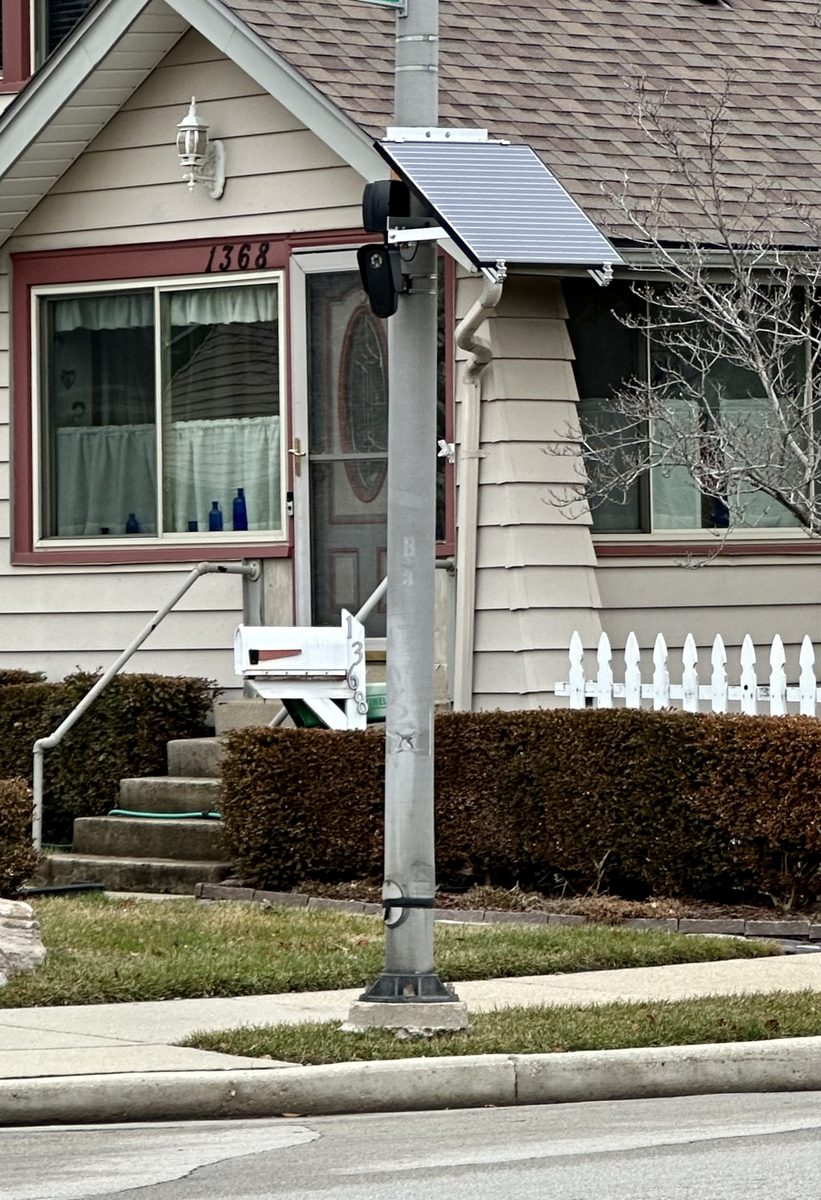
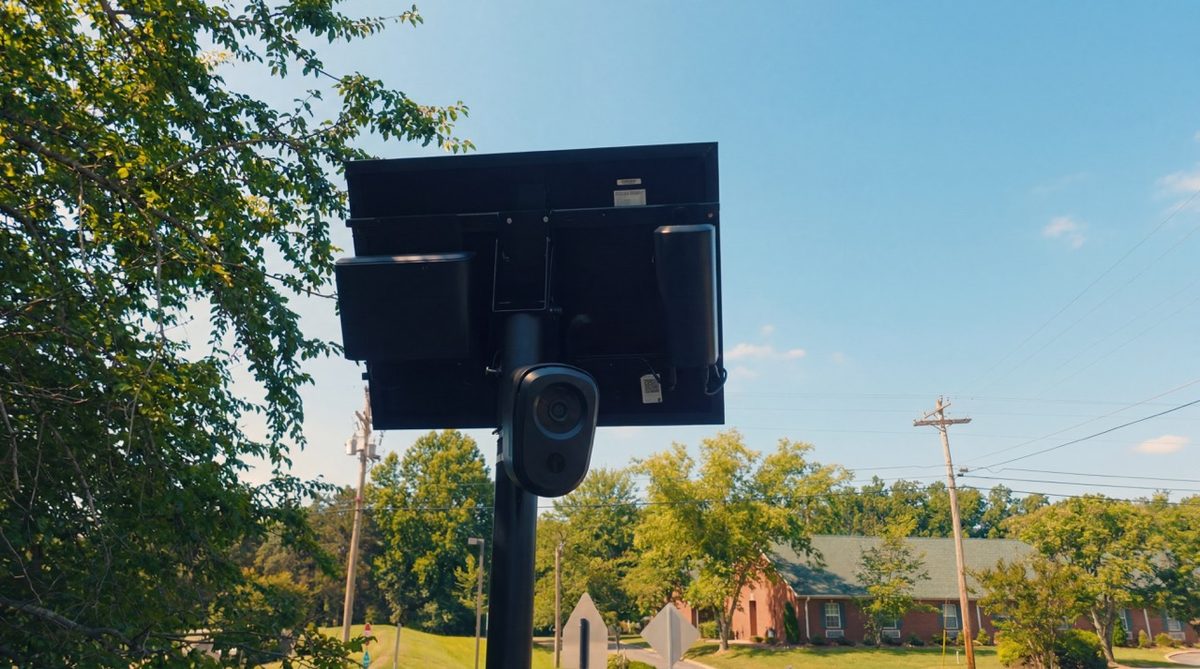
Grand Rapids residents and the ACLU of Michigan on August 25 urged the Public Safety Committee to drop Flock's automatic license plate readers. Flock Safety and the police department defended the cameras, which log every plate that passes, at a meeting that drew written opposition from residents.

The committee recorded no vote. The full city commission now holds the decision, under pressure after a 2025 report showed officers ran protest-related plate searches. More than 125 Michigan communities use Flock with no statewide rules.

Why it matters

Grand Rapids' Flock decision will show whether Michigan cities can reject license plate surveillance without a statewide law.

Questions about this story

Free account needed to ask — your question is kept and asked for you right after sign-up. Answers are public.

No questions yet — be the first to ask.

Key Indicators

125+
Michigan communities using ALPRs
Communities use license plate readers with no statewide guidelines, per the ACLU.
5
GRPD protest-related Flock searches
Searches disclosed in 404 Media's 2025 release of national Flock logs.
5
Metro Detroit communities that canceled Flock
Clawson, Ferndale, Westland, Milford and Sumpter Township ended contracts.

Voices

Curated perspectives — historical figures and your fellow readers.

Ever wondered what historical figures would say about today's headlines?

Sign up to generate historical perspectives on this story.

Play

Exploring all sides of a story is often best achieved with Play.

Most of these play right now — no account needed. Sign up to save scores, keep a streak, and unlock Debate and Predict. Log in Sign Up
Predict 3 ways this could play out. Back the one you believe — contrarian picks score more when a scenario has a resolution date. Log in to play

People Involved

Organizations Involved

Timeline

April 2022 August 2026

6 events Latest: Today
Tap a bar to jump to that date
  1. Public Safety Committee hears Flock and police presentations

    Today Hearing

    Residents submitted opposition; ACLU of Michigan letter urged cancellation or strict rules. No vote recorded.

  2. Michigan Public previews committee briefing

    Preview

    The outlet reported residents were speaking out and several metro Detroit communities had canceled Flock contracts.

  3. Resident challenges commissioners on Flock

    Public Comment

    Steve Bennett asked commissioners whether they wanted a police state; Kelsey Perdue called for a rules review.

  4. Michigan Advance reports protest-related searches

    Report

    The ACLU said the searches showed the need for guardrails on how police use license plate readers.

  5. 404 Media publishes Flock search logs

    Disclosure

    Data from Danville, Illinois showed five Grand Rapids police searches listing protests as the reason.

  6. Officer fatally shoots Patrick Lyoya

    Incident

    A Grand Rapids officer shot and killed Patrick Lyoya during a traffic stop, sharpening local debate over police oversight.

Historical Context

3 moments from history that rhyme with this story — and how they unfolded.

2007-2019

Red-light camera pushback (2007-2019)

Dozens of US cities removed red-light cameras after court challenges and public complaints over safety, accuracy and privacy. Some cities reinstated them with tighter rules; others banned them outright.

Then

Hundreds of US municipalities ended or reformed their red-light camera programs.

Now

The reversals showed that local pressure can overturn automated surveillance programs.

Why this matters now

Like Flock, red-light cameras were private technology installed with police support, then reversed when residents questioned their cost and reach.

2015

California ALPR law (2015)

California lawmakers passed SB 34, one of the first state laws restricting automatic license plate reader data. It required agencies to limit how long they keep plate data, restrict who they share it with, and report on their use.

Then

California agencies had to adopt written ALPR use policies and faced penalties for misuse.

Now

The law became a model for other states and for ACLU model legislation.

Why this matters now

Shows the state-level path the ACLU now urges in Michigan, where more than 125 communities use ALPRs with no statewide rules.

February 2024

Chicago ends ShotSpotter (2024)

Chicago let its ShotSpotter gunshot detection contract lapse after years of criticism and a study questioning the system's accuracy. Mayor Brandon Johnson declined to renew the deal.

Then

The city stopped paying for the service and began transitioning to other response methods.

Now

It became a national example of a surveillance vendor losing a major city contract.

Why this matters now

Another private surveillance vendor, Flock faces the same pattern in Grand Rapids: community pressure, accuracy and privacy questions, and a contract on the table.

Sources

(10)