
Pull to refresh
Logo
Blandford Nature Center names first elder-in-residence

Blandford Nature Center names first elder-in-residence

New Capabilities Grand Rapids, MI local

Punkin Shananaquet will bring Indigenous perspectives to environmental and land education.

Overview

Updated 55 minutes ago

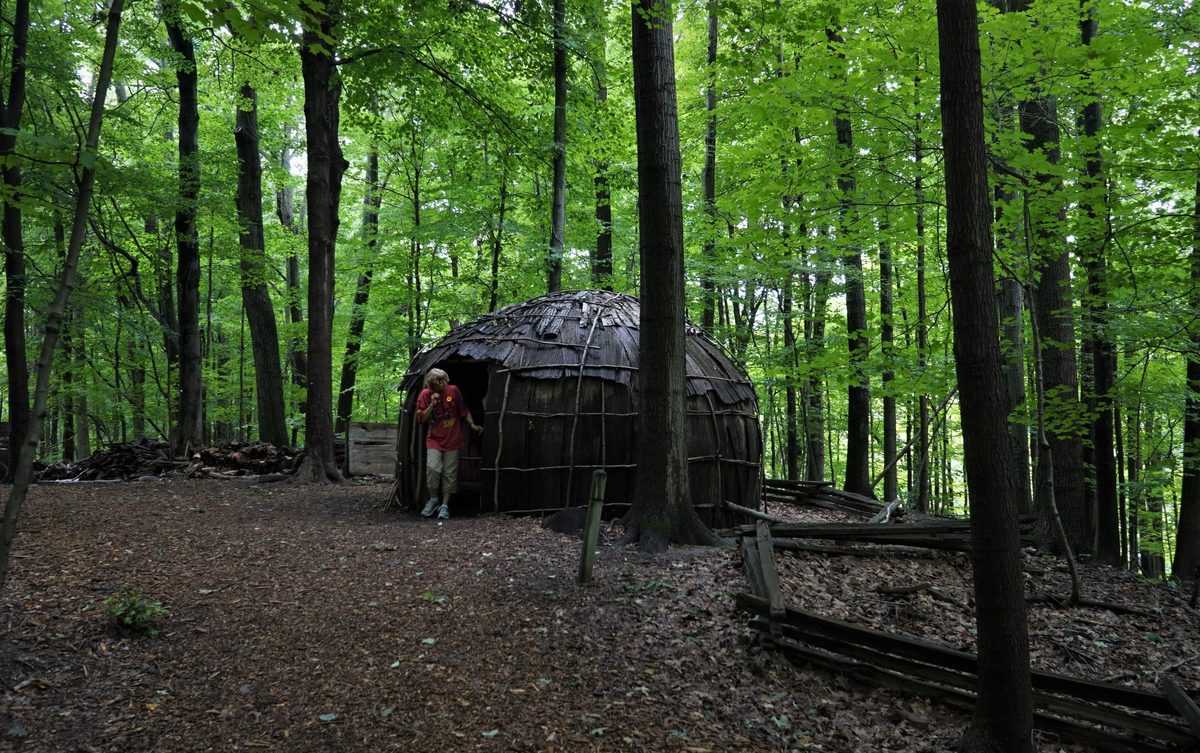
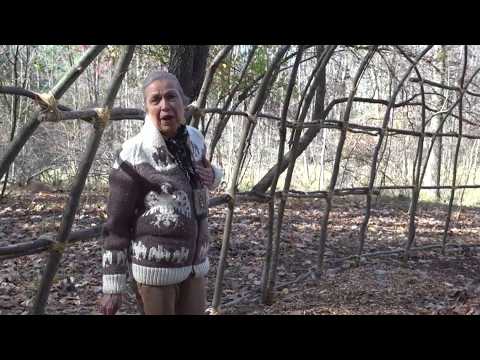
Blandford Nature Center has appointed Punkin Shananaquet as its first elder-in-residence. The new role is meant to bring Indigenous perspectives into the center's environmental and land education programs.

The appointment reflects a growing interest among some environmental organizations in incorporating Native American knowledge. How much impact it has will depend on how the center integrates the role into its existing programs.

Why it matters

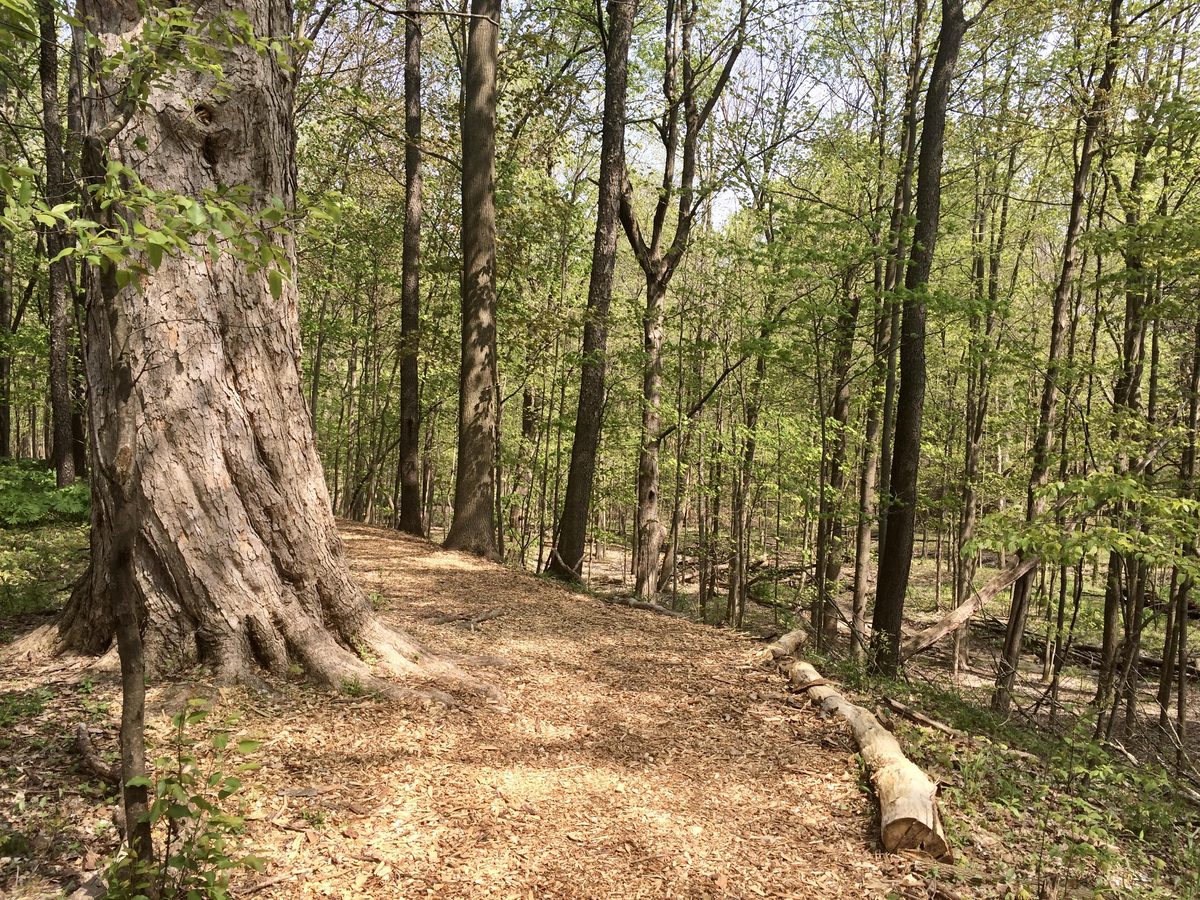
This appointment could change how a 264-acre nature center teaches about land and environment, potentially serving as a model for other institutions.

Last Monday's email for Grand Rapids, MI

Sent Nov 9. It carried:

Get next Monday's: one short email a week. Free. Unsubscribe in one click.

Questions about this story

Free account needed to ask — your question is kept and asked for you right after sign-up. Answers are public.

No questions yet — be the first to ask.

Key Indicators

1
First elder-in-residence
Punkin Shananaquet is the first to hold this role.
264 acres
Land area
Blandford Nature Center encompasses 264 acres.
50+
Years of operation
Blandford has been operating for over 50 years.

Voices

Curated perspectives — historical figures and your fellow readers.

Sign up to generate historical perspectives on this story.

People Involved

Organizations Involved

Timeline

1965 November 2026

3 events Latest: Today
  1. Punkin Shananaquet appointed first elder-in-residence

    Today Appointment

    Blandford Nature Center names its first elder-in-residence to bring Indigenous perspectives to environmental and land education.

  2. Blandford acquires former Highlands golf course

    Land acquisition

    The center expands to 264 acres with the Land Conservancy of West Michigan.

  3. Fundraising begins for Blandford visitor center

    Institutional

    The Museum Association seeks funds for a visitor center, which opens in 1968.

Scenarios

1

Elder-in-residence program expands to other nature centers

Possible Resolves by Nov 10, 2028

Discussed by: Blandford leadership and local education observers

If the program proves successful, other nature centers in Michigan and beyond may create similar roles, bringing Indigenous perspectives to more environmental education programs.

2

Punkin Shananaquet leads new land education curriculum adopted by local schools

Possible Resolves by Jun 1, 2028

Discussed by: Blandford Nature Center and Grand Rapids Public Schools

Shananaquet could work with local schools to develop a curriculum that incorporates Indigenous knowledge about land and environment, which could be adopted by the district.

3

Elder-in-residence role discontinued after one year

Unlikely Resolves by Nov 10, 2027

Discussed by: Skeptics who question the long-term funding

If the center faces budget constraints or the program fails to gain traction, the role could be eliminated after the initial term.

Historical Context

2 moments from history that rhyme with this story — and how they unfolded.

1969

Native American Studies at UC Berkeley (1969)

The University of California, Berkeley, established the first Native American Studies program in the United States. It was created after student protests and demands for curriculum that reflected Native American history and culture.

Then

The program began with a small number of courses and faculty.

Now

It set a precedent for similar programs at universities across the country, helping to institutionalize Indigenous perspectives in higher education.

Why this matters now

This appointment similarly seeks to institutionalize Indigenous perspectives, but in a nature center rather than a university.

1978

American Indian Religious Freedom Act (1978)

The U.S. Congress passed the American Indian Religious Freedom Act, which affirmed the right of Native Americans to practice their traditional religions, including access to sacred sites and the use of peyote.

Then

The act was a symbolic victory but lacked enforcement mechanisms.

Now

It laid the groundwork for later legal protections and increased awareness of Indigenous spiritual practices tied to land.

Why this matters now

The act recognized the importance of land in Indigenous spirituality, a concept that underpins the elder-in-residence role at Blandford.

Sources

(2)