

Pull to refresh
Logo
University of Utah opens Native Ascent House for Indigenous students

University of Utah opens Native Ascent House for Indigenous students

Built World Salt Lake City, UT local

A Native-focused living-learning community debuts on Officer's Circle, a first for Utah and the region

Today: University formally unveils Native Ascent House

Overview

Updated 1 hour ago

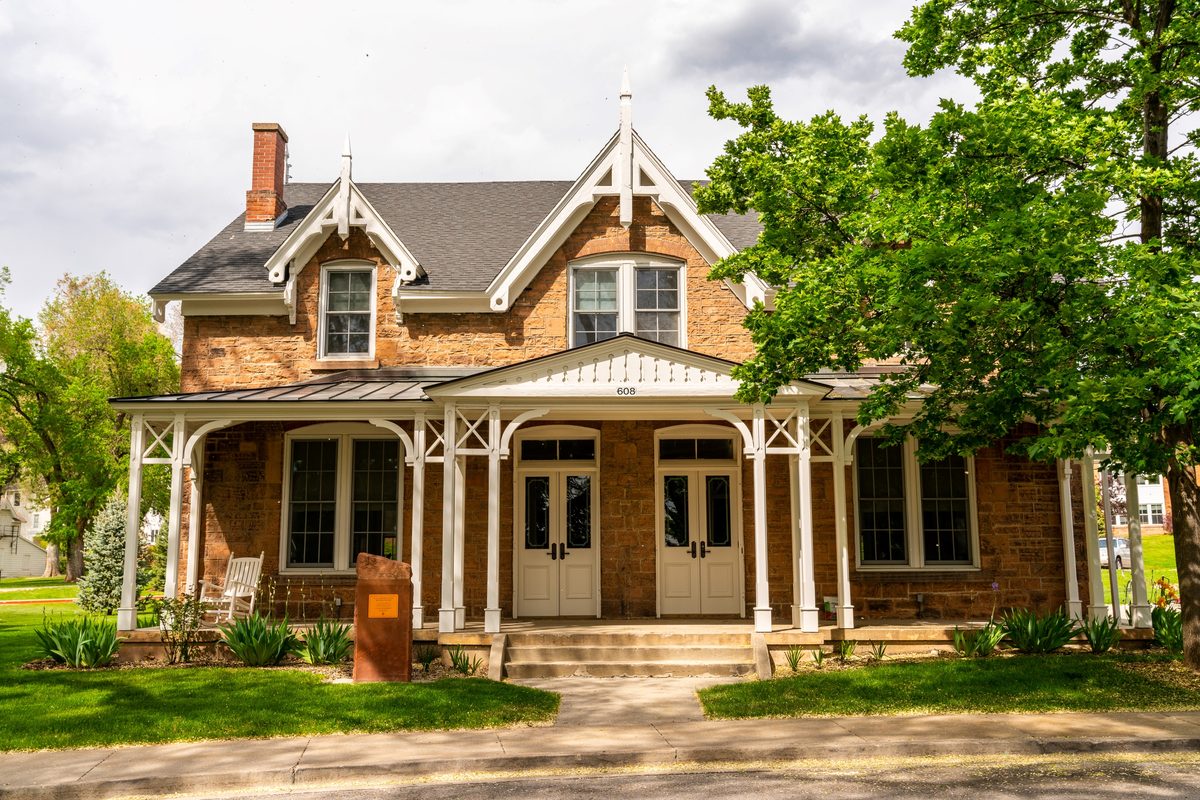
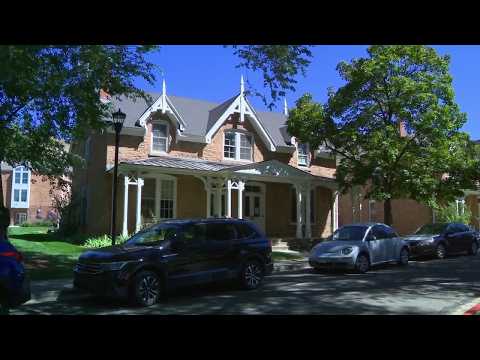
Eleven Indigenous students now live in Native Ascent House, a red-brick residential facility on the University of Utah's Officer's Circle geared to Native American students. It is the first Native-focused living-learning community in Utah and the surrounding region.

The house caps a four-year program built to pair academic support with cultural connection. It operates despite a 2024 Utah law restricting identity-based university programming, protected by a carve-out tied to the university's accord with the Ute Indian Tribe, since tribes hold federally recognized sovereign status.

Why it matters

Utah restricts identity-based campus programs, yet tribal sovereignty let the University of Utah open the region's first Native residential community — a model others may copy.

Questions about this story

Free account needed to ask — your question is kept and asked for you right after sign-up. Answers are public.

No questions yet — be the first to ask.

Key Indicators

11
Inaugural residents of Native Ascent House
Native Ascent Scholars living in the residential community on Officer's Circle.
~1%
University of Utah students who identify as Native American
Share of the student body, per program manager Tashina Barber.
First in state
First Native-focused living-learning community in Utah and the region
The university describes the house as a first for Utah and surrounding states.
4 years
Program development time
Native Ascent grew from a small student cohort to a residential house.

Voices

Curated perspectives — historical figures and your fellow readers.

Ever wondered what historical figures would say about today's headlines?

Sign up to generate historical perspectives on this story.

Play

Exploring all sides of a story is often best achieved with Play.

Most of these play right now — no account needed. Sign up to save scores, keep a streak, and unlock Debate and Predict. Log in Sign Up
Predict 3 ways this could play out. Back the one you believe — contrarian picks score more when a scenario has a resolution date. Log in to play

People Involved

Organizations Involved

Timeline

September 2022 September 2026

5 events Latest: Today
Tap a bar to jump to that date
  1. University formally unveils Native Ascent House

    Today Milestone

    University of Utah publicly marks the opening of the Native-focused living-learning community with news coverage.

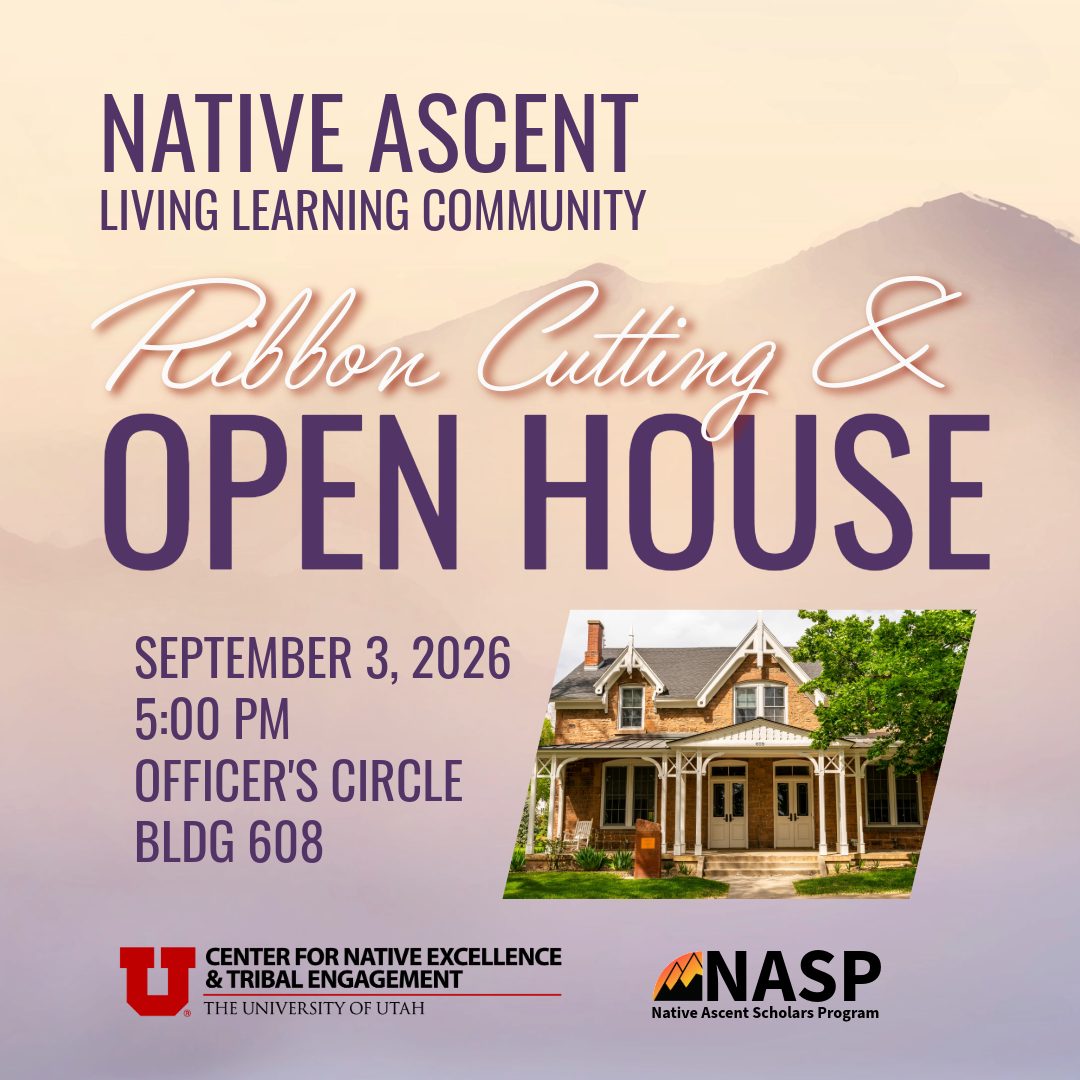
  2. Ribbon cutting and open house

    Ceremony

    Community gathers at Officer's Circle, House 608, to introduce Native Ascent House to campus.

  3. Native Ascent House welcomes residents

    Milestone

    The residential facility on Officer's Circle begins housing Native Ascent Scholars.

  4. Utah enacts HB261

    Law

    Utah passes HB261 restricting identity-based university programming, with a carve-out for tribal programs.

  5. Native Ascent Scholars Program launches

    Program launch

    The University of Utah starts a small student cohort focused on cultural connection, leadership and community.

Historical Context

3 moments from history that rhyme with this story — and how they unfolded.

November 1968 – March 1969

San Francisco State ethnic studies strike (1968–1969)

Black students and Third World Liberation Front allies struck San Francisco State for five months, joining with faculty to demand an ethnic studies program. They won the first School of Ethnic Studies in the United States.

Then

The strike established ethnic studies at SF State and sparked similar programs at universities nationwide.

Now

Identity-based academic programs and cultural centers became standard fixtures at American universities.

Why this matters now

Native Ascent House is part of that lineage — campus programs built around students' cultural identities. It now operates in a state that restricts such programming, with tribal sovereignty as its shield.

November 1969 – June 1971

Alcatraz occupation (1969–1971)

Native American activists, many of them students, occupied Alcatraz Island for 19 months to demand tribal self-determination and reclaim land under treaty rights. The action drew national attention.

Then

The occupation ended without a land transfer but catalyzed Native American studies programs and support services at universities.

Now

It helped shift federal policy toward tribal self-determination and inspired a generation of Native student organizing.

Why this matters now

Like the activists who pushed universities to serve Native students, today's Native Ascent Scholars are building culturally grounded communities inside a mainstream university.

January 1975

Indian Self-Determination and Education Assistance Act (1975)

Congress passed a law giving tribes authority to contract and manage federal programs serving their communities, including education. It marked a decisive shift from federal control toward tribal control.

Then

Tribes gained direct management of schools, health services and social programs on their lands.

Now

The act cemented tribes' legal standing as sovereign governments rather than mere racial groups.

Why this matters now

That sovereign standing is the legal basis for the HB261 carve-out. Because tribes are sovereign nations, Utah's restriction on race-based campus programs does not apply to Native Ascent House.

Sources

(4)