
Pull to refresh
Logo
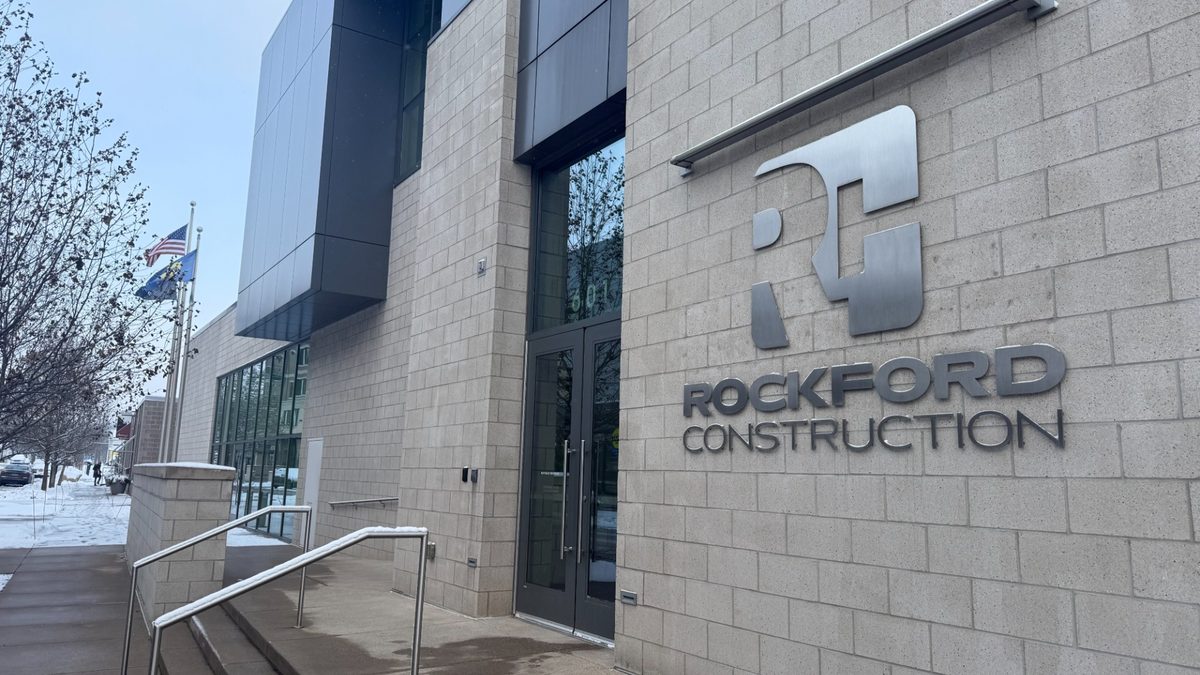
Grand Rapids firm Rockford becomes 100% employee-owned

Grand Rapids firm Rockford becomes 100% employee-owned

Money Moves Grand Rapids, MI local

Grand Rapids builder hands all shares to its workers through an employee stock ownership plan

Today: Rockford announces 100% employee ownership

Overview

Updated 1 hour ago

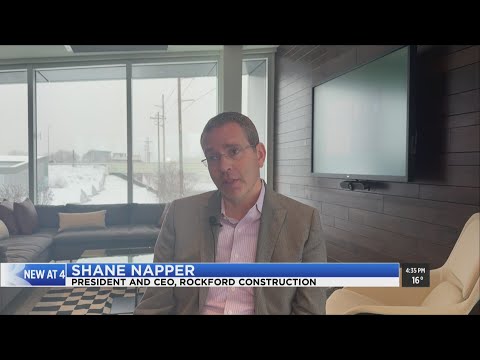
Grand Rapids construction and development firm Rockford is now 100% employee-owned. The roughly 40-year-old company moved all its stock into an employee stock ownership plan (ESOP), a retirement trust that holds shares for workers.

The move hands the firm's future to its employees instead of an outside buyer. ESOPs let owners sell tax-deferred, give workers retirement wealth, and keep the company independent — a succession path construction firms are using more often.

Why it matters

Rockford's employees now own every share of the 40-year-old firm — a succession path keeping profits and control with workers, not an outside buyer.

Questions about this story

Free account needed to ask — your question is kept and asked for you right after sign-up. Answers are public.

No questions yet — be the first to ask.

Key Indicators

100%
Employee ownership stake
All of Rockford's stock now sits in an employee stock ownership plan trust held for workers.
~40
Years in business
Rockford says it has been building for nearly 40 years, with offices in three cities.
655,000+
Employees at largest US employee-owned firms
The National Center for Employee Ownership's top-100 list covers more than 655,000 workers nationwide.
3
Office locations
Grand Rapids, Detroit, and Estero, Florida.

Voices

Curated perspectives — historical figures and your fellow readers.

Ever wondered what historical figures would say about today's headlines?

Sign up to generate historical perspectives on this story.

People Involved

Organizations Involved

Timeline

January 1987 September 2026

2 events Latest: Today
  1. Rockford announces 100% employee ownership

    Today Ownership transition

    Company moves all stock into an employee stock ownership plan, making its workforce the sole owners.

  2. Rockford founded in Grand Rapids

    Founding

    Mike VanGessel starts the construction company that grows into a regional developer with offices in three states.

Scenarios

1

Rockford stays employee-owned and independent through 2030

Likely Resolves by End of 2030

Discussed by: National Center for Employee Ownership (NCEO), whose data shows most ESOP firms remain employee-owned long-term

With no outside buyer, the ESOP trust holds every share and employees accumulate retirement wealth as the firm's value grows. The founder chose this path specifically to avoid a sale. NCEO research shows ESOP companies typically stay employee-owned for decades; the main risks are a later sale or the trust being terminated for liquidity reasons.

2

Outside buyer acquires Rockford

Unlikely Resolves by End of 2028

Discussed by: Construction trade press coverage of consolidation and roll-ups in the contracting industry

Employee-owned companies can still be sold; the ESOP trust acts as shareholder and can accept an offer if it serves employees. A strategic buyer seeking construction capacity in Michigan, or private equity building a roll-up, could make Rockford an offer. ESOP exits occasionally end this way when a founder retires and the trust needs liquidity.

3

Rockford lands on the Employee Ownership 100 list

Unlikely Resolves by End of 2030

Discussed by: The NCEO's own annual ranking of America's largest majority employee-owned companies

If employee ownership helps Rockford attract talent and expand beyond its current footprint, it could eventually qualify for the NCEO's Employee Ownership 100, which ranks majority employee-owned firms by headcount. Most companies on the list employ more than 1,000 people; Rockford's current size has not been disclosed, making this a long-shot outcome.

Historical Context

3 moments from history that rhyme with this story — and how they unfolded.

1984

Section 1042 tax incentive (1984)

The Deficit Reduction Act of 1984 added Section 1042 to the tax code, letting owners of private companies defer capital gains taxes when they sell at least 30% of the company to an ESOP.

Then

ESOP transactions surged as owners gained a tax-efficient exit path.

Now

Section 1042 became the main financial engine behind ESOP succession deals, including construction firms.

Why this matters now

This 40-year-old tax break is the mechanism that makes Rockford's employee ownership transition financially attractive for its founder.

1987

Avis employee buyout (1987)

Car rental company Avis became majority employee-owned in 1987 through one of the largest ESOP transactions of its era. Workers' trust took control of the company rather than a new outside owner.

Then

Avis operated as a major employee-owned company through the late 1980s and early 1990s.

Now

The ESOP sold its stake when Avis went public in the mid-1990s, showing employee ownership can succeed without being permanent.

Why this matters now

Showed that a large, service-heavy company could run well under employee ownership — the model Rockford is now adopting at a smaller scale.

Since the 1930s

Publix Super Markets employee ownership

Grocery chain Publix built employee ownership starting in the 1930s when founder George Jenkins began selling stock to workers. It formalized the arrangement over the following decades.

Then

Employees at the chain amassed retirement wealth tied to Publix's growth.

Now

Publix grew into one of America's largest private companies and largest employee-owned firms, with its workforce owning the business.

Why this matters now

Demonstrates that broad-based employee ownership can endure for decades and build significant wealth for workers.

Sources

(4)

More from Grand Rapids, MI

Openings, permits and council decisions in Grand Rapids, MI, in your inbox every Monday.