
Pull to refresh
Logo
Kent County voters reject jail millage, sheriff seeks voter concerns

Kent County voters reject jail millage, sheriff seeks voter concerns

Money Moves Grand Rapids, MI local

60% voted against the 20-year corrections tax renewal and increase; the current levy runs through 2029.

Overview

Updated 1 hour ago

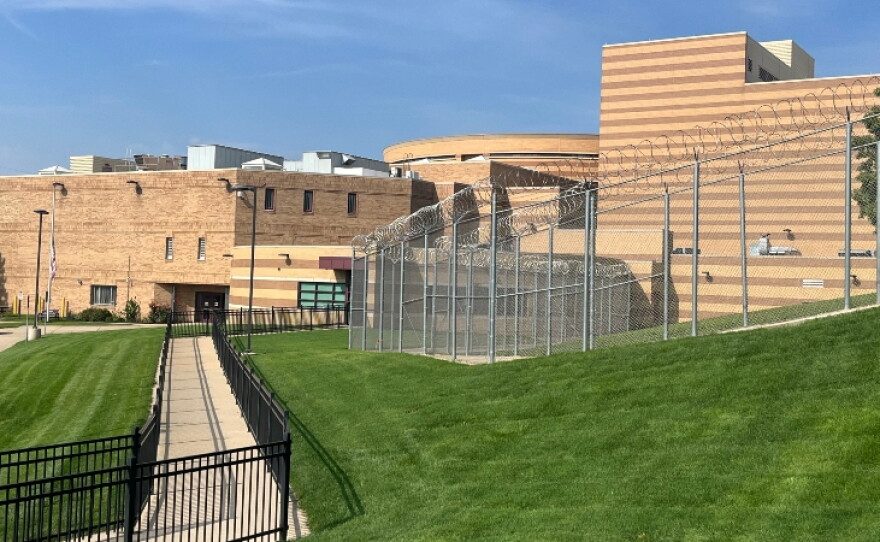
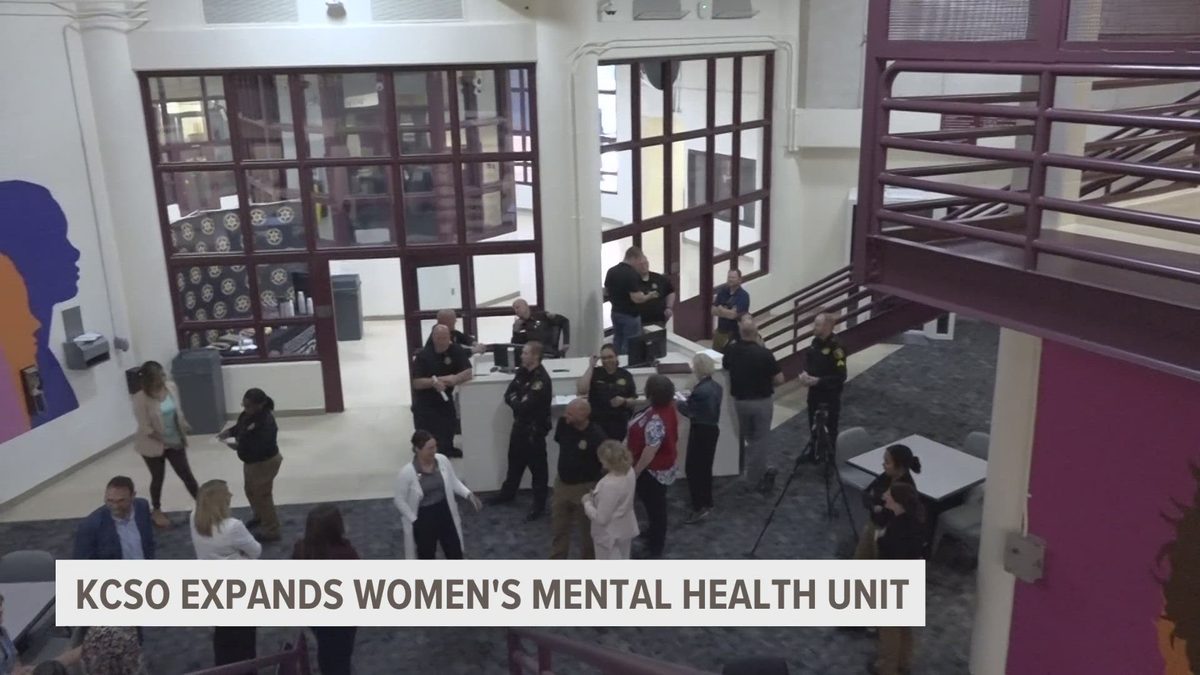
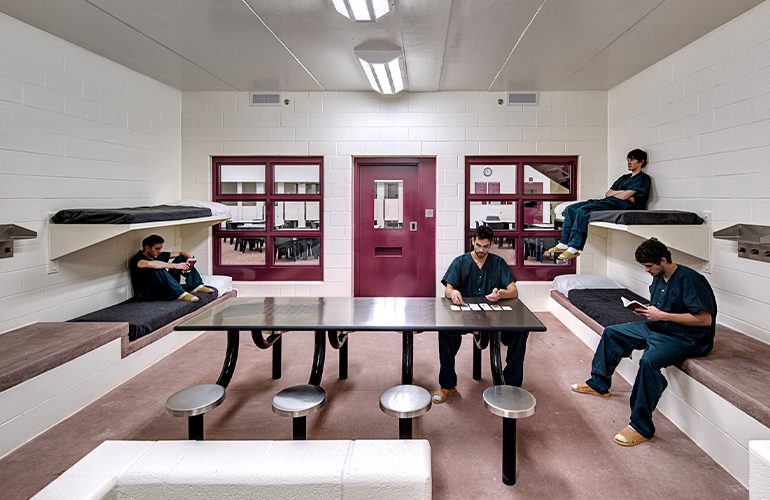
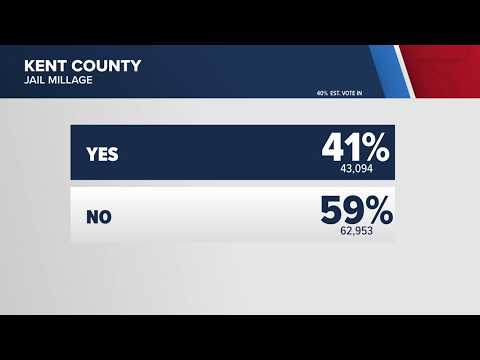
Kent County voters rejected a 20-year jail tax renewal and increase on Nov. 3, 60% to 40%. The sheriff's office says daily operations will not change immediately, but the county now faces a multimillion-dollar gap for an aging jail whose medical unit sits in a cell block built in 1972.

The current millage remains in place through the 2029 levy. County officials say general-fund money will have to cover jail needs if no replacement passes, potentially pulling from other departments.

Why it matters

Kent County's jail vote shows how local taxpayers weigh public-safety upgrades against property-tax bills, with the bill for an aging facility still due.

Last Monday's email for Grand Rapids, MI

Sent Nov 2. It carried:

Get next Monday's: one short email a week. Free. Unsubscribe in one click.

Questions about this story

Free account needed to ask — your question is kept and asked for you right after sign-up. Answers are public.

No questions yet — be the first to ask.

Key Indicators

174,341
Votes against millage
Unofficial Kent County results.
115,998
Votes for millage
Unofficial Kent County results.
60%
Share against
The margin was 60% to 40%.
$37M
First-year revenue proposed
The millage would have raised more than $37 million in its first year.
0.98 mills
Proposed tax rate
A mill is $1 per $1,000 of taxable value.
$100
Annual cost for $100,000 taxable value
Estimated first-year cost for a homeowner with that taxable value.
2029
Current millage runs through levy
The existing levy remains in place through 2029.

Voices

Curated perspectives — historical figures and your fellow readers.

Sign up to generate historical perspectives on this story.

People Involved

Organizations Involved

Timeline

2 events Latest: Yesterday
  1. Sheriff's office says it will listen to voters

    Latest Statement

    Sgt. Scott Dietrich and Sheriff Bryan Muir say operations will not change immediately and the current millage runs through 2029.

  2. Voters reject jail millage 60% to 40%

    Election

    Unofficial results show 174,341 against and 115,998 for the 20-year Corrections and Detention Millage renewal and increase.

Scenarios

1

Revised jail millage passes before current levy expires

Possible Resolves by Nov 30, 2028

Discussed by: Kent County Sheriff's Office and county officials have said they will evaluate funding options with the Board of Commissioners.

After the 60-40 defeat, the county could return with a smaller renewal, a shorter term, or a proposal focused on medical and mental-health upgrades. Passage would require rebuilding voter trust and explaining the jail's shared booking role for more than 30 police agencies.

2

County covers jail shortfall from general fund

Possible Resolves by Oct 1, 2027

Discussed by: County officials have said general-fund money may have to cover jail needs.

Without a new levy, the Board of Commissioners could allocate general-fund dollars for jail medical, mental-health, staffing or infrastructure costs. That would avoid a ballot fight but compete with other county departments.

3

Current millage expires with no replacement

Uncertain Resolves by End of 2029

Discussed by: The current millage remains in place through the 2029 levy, leaving a window before expiration.

If the county neither passes a replacement nor commits general-fund money, the jail's operating and capital needs would go unfunded when the current levy ends. Officials have not said what services would be cut.

Historical Context

2 moments from history that rhyme with this story — and how they unfolded.

May 2011

California prison overcrowding ruling (2011)

The U.S. Supreme Court upheld a lower court order requiring California to reduce its prison population by about 33,000 inmates over two years. The Court found overcrowding caused severe failures in medical and mental-health care.

Then

California shifted lower-level offenders to county jails under realignment.

Now

The case set a precedent that severe health-care deficiencies in correctional facilities can require population reductions and costly oversight.

Why this matters now

Kent County officials cite medical and mental-health needs in an aging jail; the California case shows how those conditions can become constitutional obligations.

2013

New Orleans jail consent decree (2013)

The city of New Orleans and the Orleans Parish Sheriff's Office agreed to a federal consent decree covering conditions at the Orleans Parish Prison. The agreement required improvements in medical care, mental-health care, and use of force.

Then

A federal monitor began overseeing jail conditions and compliance.

Now

The decree has driven years of litigation and spending on jail staffing and facilities.

Why this matters now

It illustrates how unresolved jail conditions can move from local budget fights to federal court oversight.

Sources

(4)