

Pull to refresh
Logo
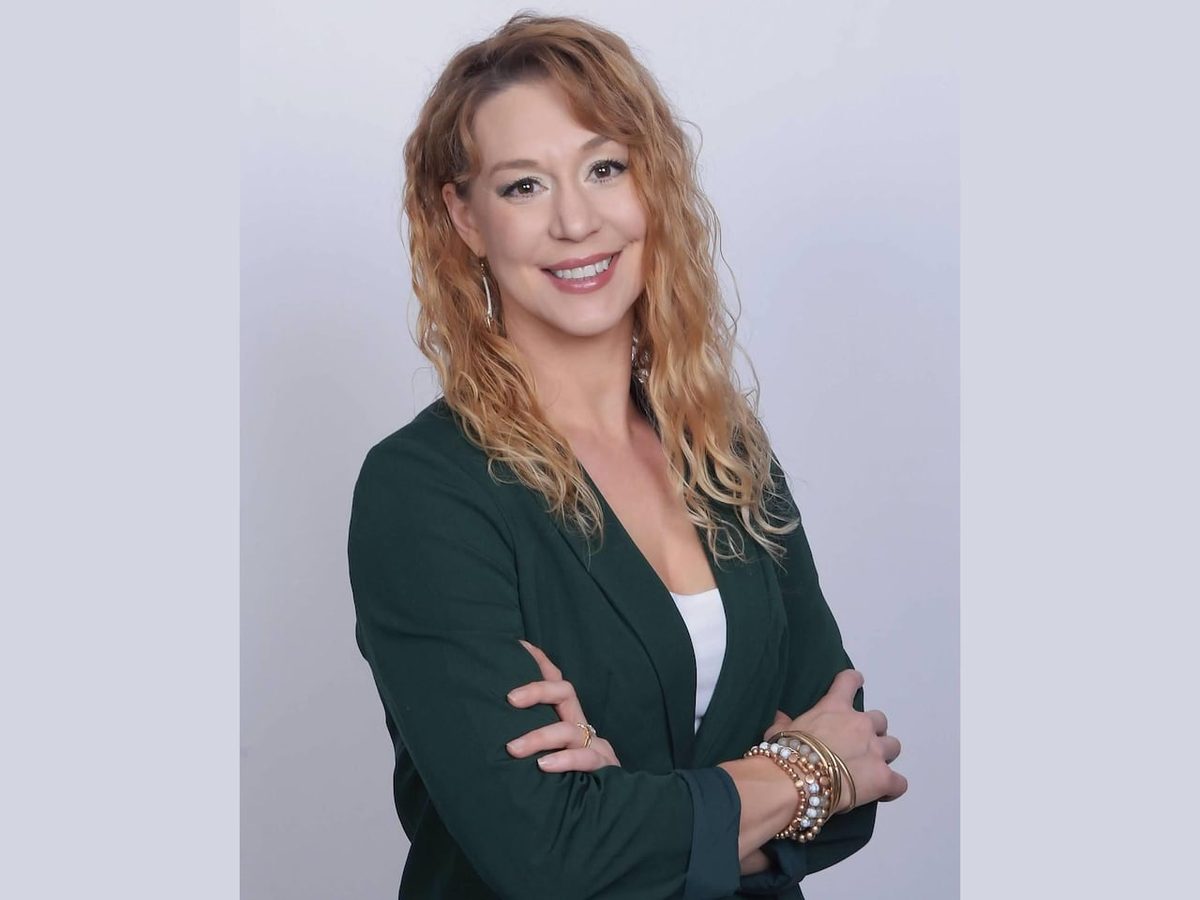
Lindsey Perez-Plescher wins Grand Rapids 1st Ward commission seat

Lindsey Perez-Plescher wins Grand Rapids 1st Ward commission seat

Rule Changes Grand Rapids, MI local

Voters also elect Lisa Knight in 2nd Ward and oust incumbent Comptroller Max Frantz

Overview

Updated 1 hour ago

Lindsey Perez-Plescher won the Grand Rapids 1st Ward city commission seat on November 4, 2026, defeating Steve Tibbe. The race was one of two city commission contests on the ballot, alongside the 2nd Ward and comptroller races.

The results mark a shift in city leadership. Voters also elected Lisa Knight in the 2nd Ward and replaced incumbent Comptroller Max Frantz with David Bulkowski. The new commission takes office in January 2027 and immediately faces decisions on housing, policing, and development.

Why it matters

The new commission will set policies on affordable housing and public safety for Michigan's second-largest city.

Last Monday's email for Grand Rapids, MI

Sent Nov 2. It carried:

Get next Monday's: one short email a week. Free. Unsubscribe in one click.

Questions about this story

Free account needed to ask — your question is kept and asked for you right after sign-up. Answers are public.

No questions yet — be the first to ask.

Key Indicators

16
Comptroller margin
David Bulkowski defeated incumbent Max Frantz by about 16 points.
2
City commission seats contested
Wards 1 and 2 held elections in 2026.

Voices

Curated perspectives — historical figures and your fellow readers.

Sign up to generate historical perspectives on this story.

People Involved

Organizations Involved

Timeline

3 events Latest: Today
  1. Perez-Plescher, Knight win city commission seats

    Today Election Result

    Lindsey Perez-Plescher wins 1st Ward; Lisa Knight wins 2nd Ward.

  2. Bulkowski defeats incumbent Comptroller Frantz

    Today Election Result

    David Bulkowski wins comptroller race with about 58% of the vote.

  3. Grand Rapids voters cast ballots in city elections

    Election

    Election Day for Grand Rapids city commission and comptroller races.

Scenarios

1

New commission passes affordable housing ordinance

Possible Resolves by Q2 2027

Discussed by: Local housing advocates have called for inclusionary zoning.

If the new commission prioritizes housing, it could pass an ordinance requiring affordable units in new developments. Perez-Plescher's vote will be key.

2

Commission rejects police budget increase

Unlikely Resolves by Q2 2027

Discussed by: Community groups have pushed to redirect police funding.

The new commission could vote against a proposed increase to the police department budget, shifting funds to social services.

3

Perez-Plescher becomes swing vote on development project

Likely Resolves by End of 2027

Discussed by: Local developers and neighborhood associations.

With a new commission, a major development project could hinge on Perez-Plescher's vote. She may face pressure from both sides.

Historical Context

2 moments from history that rhyme with this story — and how they unfolded.

November 2018

Minneapolis City Council election (2018)

Voters elected a progressive majority to the Minneapolis City Council, fueled by grassroots organizing after the 2016 election. The new council passed a $15 minimum wage and rent control measures.

Then

The council quickly moved to raise the minimum wage, overcoming business opposition.

Now

Minneapolis became a model for progressive local governance, influencing other cities.

Why this matters now

Shows how a single local election can shift policy on housing and wages, similar to the potential impact of Grand Rapids' new commission.

November 2019

Virginia House of Delegates election (2019)

Democrats flipped both chambers of the Virginia legislature for the first time in decades. They passed Medicaid expansion, gun control, and minimum wage increases.

Then

Democrats used their majority to pass long-stalled progressive priorities.

Now

Virginia shifted from a swing state to a Democratic-leaning state, with lasting policy changes.

Why this matters now

Demonstrates how control of a legislative body can lead to rapid policy changes, though Grand Rapids' commission is smaller.

Sources

(4)