
Pull to refresh
Logo
Grand Rapids voters re-elect Lisa Knight to 2nd Ward commission seat

Grand Rapids voters re-elect Lisa Knight to 2nd Ward commission seat

Rule Changes Grand Rapids, MI local

Knight defeats Bryan Cody for a second and final four-year term on the City Commission

Overview

Updated 1 hour ago

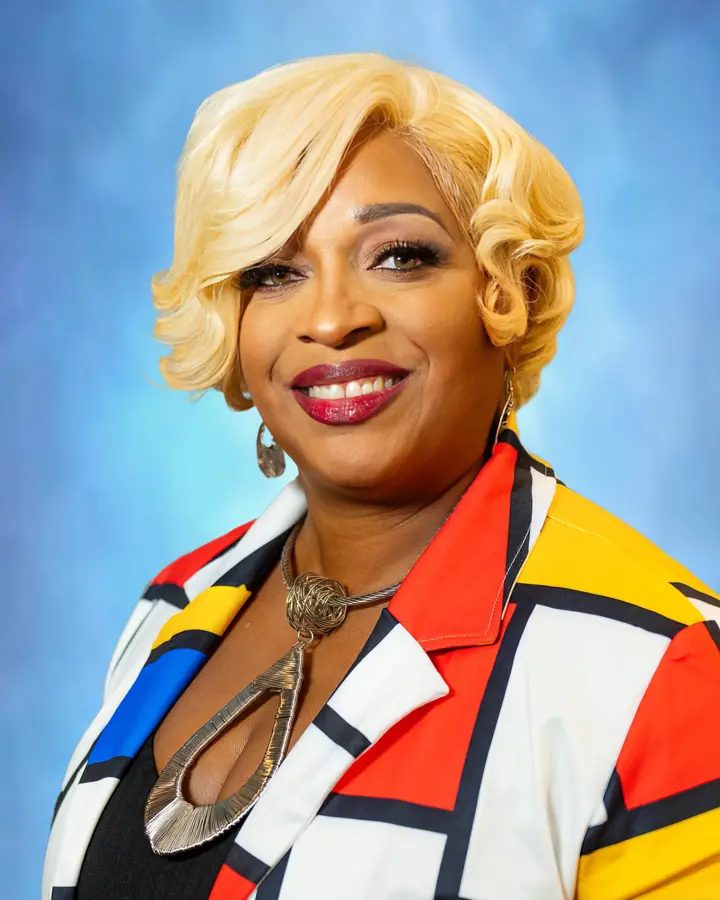
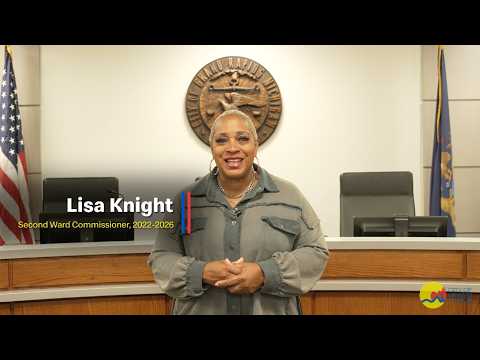
Grand Rapids voters returned Lisa Knight to the 2nd Ward City Commission seat, defeating challenger Bryan Cody. The result, reported by MLive Grand Rapids, gives her a second and final four-year term on the body that sets zoning, approves the city budget and oversees departments including the police.

The 2nd Ward is one of Grand Rapids' three wards, and the commission is the city's main legislative body. Knight's campaign website lists parks investment, American Rescue Plan-funded housing and youth programs, and monthly audits of Flock license-plate camera searches among her priorities.

Why it matters

Knight's final term has a fixed end date, so the 2nd Ward seat will be open again in four years.

Last Monday's email for Grand Rapids, MI

Sent Nov 2. It carried:

Get next Monday's: one short email a week. Free. Unsubscribe in one click.

Questions about this story

Free account needed to ask — your question is kept and asked for you right after sign-up. Answers are public.

No questions yet — be the first to ask.

Key Indicators

2
Commission terms for Knight after the 2026 election
The 2026 win is her second and final four-year term.
4
Years in a Grand Rapids commission term
The 2026 election fills the seat for another four years.
3
Wards in Grand Rapids
Knight represents the 2nd Ward on the City Commission.

Voices

Curated perspectives — historical figures and your fellow readers.

Sign up to generate historical perspectives on this story.

People Involved

Organizations Involved

Timeline

1 event Latest: Today
  1. Knight defeats Cody for 2nd Ward commission seat

    Today Election

    MLive Grand Rapids reports Lisa Knight won a second and final four-year term representing the 2nd Ward, defeating challenger Bryan Cody.

Scenarios

1

Knight serves out her final term and leaves the commission in 2031

Likely Resolves by Jan 31, 2031

Discussed by: Local election reporting and the term-limit structure described in the MLive report

Knight finishes the four-year term she won in 2026, keeps the 2nd Ward seat through the end of her tenure, and does not run for another office before it ends. The 2nd Ward seat then opens for a new candidate in the 2030 city election.

2

Knight runs for mayor or another office before her term ends

Possible Resolves by Nov 30, 2030

Discussed by: Local political observers who track commission seats as launching points for higher office

Knight uses her final term as a platform to run for Grand Rapids mayor, a state legislative seat or another office. She would need to file nominating petitions while still holding the 2nd Ward seat, and a win would trigger a vacancy appointment.

3

Knight resigns mid-term, triggering a commission vacancy appointment

Unlikely Resolves by End of 2030

Discussed by: No public reporting currently predicts this outcome

Knight steps down before her term ends for personal or professional reasons, or is appointed to another office. The remaining commissioners would then vote to fill the 2nd Ward vacancy, as city rules typically require, and the appointee would serve until the next election.

Historical Context

2 moments from history that rhyme with this story — and how they unfolded.

October 2008 – November 2010

New York City term limits fight (2008–2010)

Mayor Michael Bloomberg and the City Council voted in 2008 to extend term limits from two terms to three, letting Bloomberg run again in 2009. Voters reversed the change in a 2010 charter referendum, restoring the two-term limit.

Then

Bloomberg won a third term in 2009, and the council vote became a local political controversy.

Now

Voters restored two-term limits, and the episode became a reference point for how term-limit rules shape local careers.

Why this matters now

Grand Rapids' two-term structure gives Knight the same kind of fixed horizon that shaped the New York fight.

November 2013

Cincinnati mayoral election (2013)

John Cranley, a former Cincinnati city council member, defeated Vice Mayor Roxanne Qualls in the city's mayor's race. Cincinnati had moved to a directly elected mayor in 2001.

Then

Cranley took office in December 2013 and began a two-term tenure as mayor.

Now

City council seats remained a common path to the mayor's office in Cincinnati.

Why this matters now

Knight's commission seat is the same kind of local office that often becomes a launch point for higher office.

Sources

(2)