
Pull to refresh
Logo
Mary Free Bed expands Grand Rapids campus as rehab demand surges

Mary Free Bed expands Grand Rapids campus as rehab demand surges

Built World Grand Rapids, MI local

48 new beds, 350-space parking ramp, and Joan Secchia Children's Rehabilitation Hospital backed by $60 million in bonds

3 days ago: Expansion details reported by WOODTV

Overview

Updated 1 hour ago

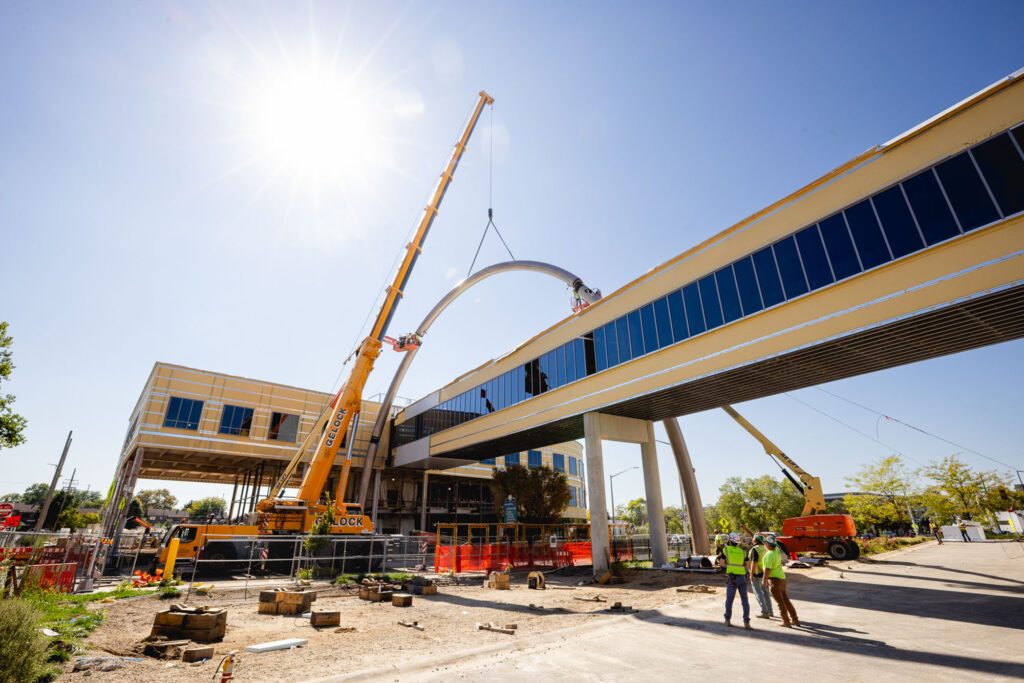
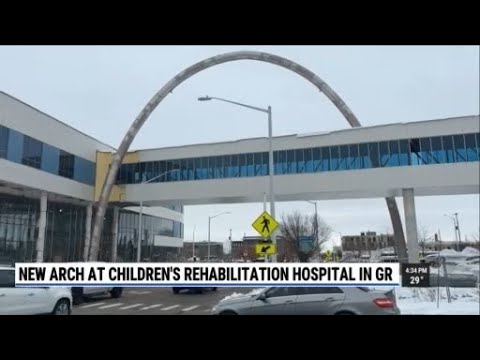
Mary Free Bed Rehabilitation is adding 48 inpatient beds, a 350-space parking ramp, and a new children's hospital to its Grand Rapids campus. Chief financial officer Ryan Podvin says the expansion answers 'unbelievable demand' for rehabilitation services.

The buildout is financed with up to $60 million in tax-exempt bonds issued through the Kent Hospital Finance Authority. Kent County approved the borrowing in August but takes no liability; Mary Free Bed repays the debt. The expansion is a structural bet that demand for rehabilitation will keep growing.

Why it matters

One of Michigan's largest rehab hospitals is betting $60 million that post-acute care demand keeps climbing, and the financing structure shows how nonprofits fund that bet.

Questions about this story

Free account needed to ask — your question is kept and asked for you right after sign-up. Answers are public.

No questions yet — be the first to ask.

Key Indicators

48
New inpatient beds
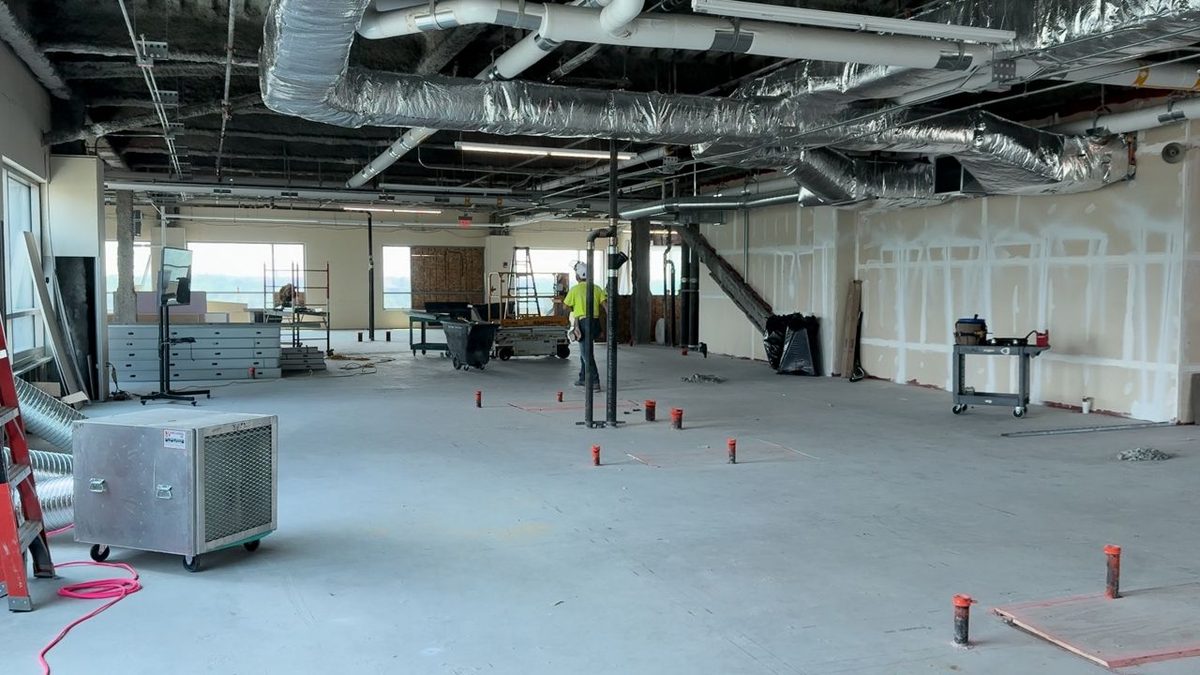
Added to the main hospital's sixth floor in phases over several years.
350
Parking ramp spaces
New ramp at 220 Wealthy St. SE expected to open by end of 2026.
$60M
Approved bond authority
Kent Hospital Finance Authority bonds carry no county or taxpayer liability.
1
New children's hospital
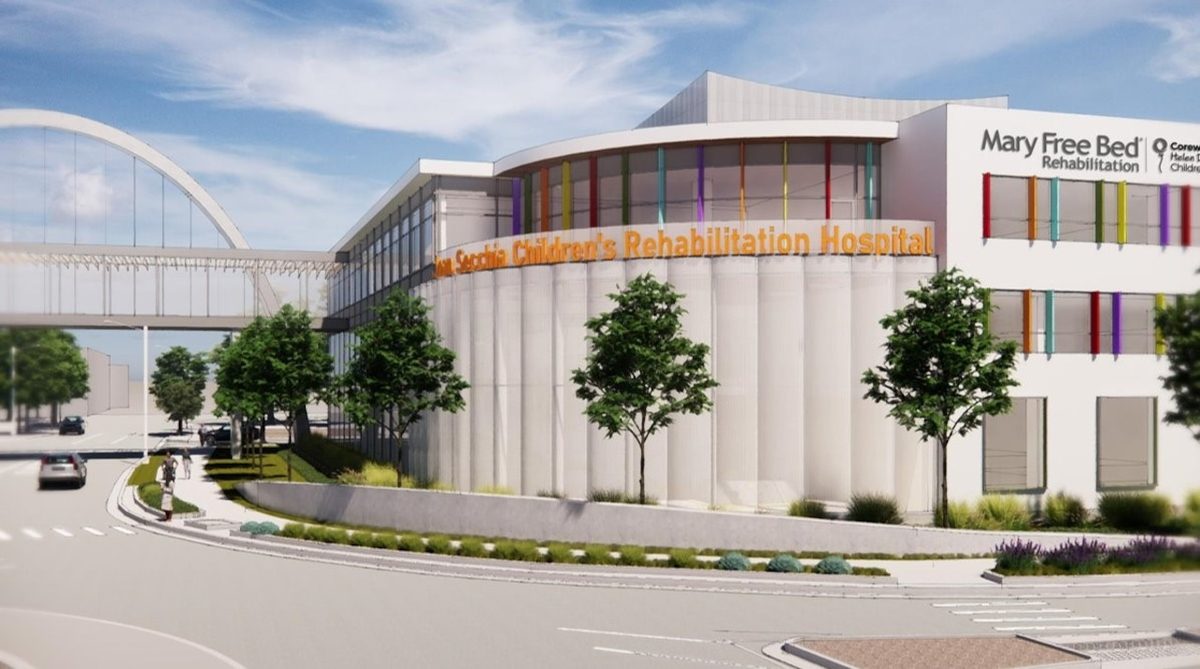
Joan Secchia Children's Rehabilitation Hospital scheduled to open end of 2026.

Voices

Curated perspectives — historical figures and your fellow readers.

Ever wondered what historical figures would say about today's headlines?

Sign up to generate historical perspectives on this story.

Play

Exploring all sides of a story is often best achieved with Play.

Most of these play right now — no account needed. Sign up to save scores, keep a streak, and unlock Debate and Predict. Log in Sign Up
Predict 3 ways this could play out. Back the one you believe — contrarian picks score more when a scenario has a resolution date. Log in to play

People Involved

Organizations Involved

Timeline

January 2024 December 2026

5 events Latest: 3 days ago
Tap a bar to jump to that date
  1. Parking ramp and children's hospital set to open

    Upcoming Construction

    350-space parking ramp at 220 Wealthy St. SE and Joan Secchia Children's Rehabilitation Hospital are expected to open by end of year.

  2. Expansion details reported by WOODTV

    Latest Announcement

    CFO Ryan Podvin tells WOODTV the expansion is driven by 'unbelievable demand' for rehabilitation services across all ages.

  3. Kent County approves $60M bond authority

    Financing

    Kent County Board of Commissioners approves up to $60 million in tax-exempt bonds via the Kent Hospital Finance Authority. County carries no liability.

  4. East Beltline outpatient location opens

    Expansion

    New location at 4020 E. Beltline Ave. NE opens, offering physical therapy, occupational therapy, and orthotics and prosthetics (approximate date).

  5. Sixth-floor bed additions begin in phases

    Construction

    Mary Free Bed begins adding 48 inpatient beds to the sixth floor of its main hospital in multiple phases (approximate date).

Historical Context

3 moments from history that rhyme with this story — and how they unfolded.

1946-1970

Hill-Burton Act hospital construction boom (1946-1970)

Congress passed the Hospital Survey and Construction Act in 1946, allocating federal grants for hospital construction, especially in rural and underserved areas. By 1970, Hill-Burton had helped finance nearly one-third of all US hospitals.

Then

Created the postwar American hospital system, adding capacity that matched a growing and aging population.

Now

Left a system of small rural hospitals that later struggled to survive as care consolidated into urban centers.

Why this matters now

Shows a prior mechanism for expanding healthcare capacity when demand rises, and the long-term risks of overbuilding.

1983-1990s

Medicare prospective payment creates rehab hospital boom (1983-1990s)

Medicare shifted to fixed per-diagnosis payments in 1983, making acute hospitals eager to discharge patients to rehabilitation. Standalone rehab hospitals grew rapidly in response.

Then

Rehab hospital capacity expanded sharply across the country.

Now

Inpatient rehabilitation became a distinct, profitable slice of healthcare with its own payment rules.

Why this matters now

Explains why rehabilitation specifically sees demand growth, driven by payment incentives and an aging population.

2000s

Sun Belt hospital building spree (2000s)

Fast-growing Sun Belt cities from Phoenix to Charlotte saw rapid hospital construction to serve surging populations. For-profit chains such as HCA led the buildouts, opening new campuses and expanding existing ones.

Then

New hospitals opened, some with excess capacity in competitive markets.

Now

Long-run population growth absorbed much of the capacity; some markets saw overbuilding and consolidation.

Why this matters now

Mirrors the demographic-driven expansion Mary Free Bed is undertaking, showing both the upside and the overbuild risk.

Sources

(3)