
Pull to refresh
Logo
Grand Rapids dam removal underway to restore namesake rapids

Grand Rapids dam removal underway to restore namesake rapids

Built World Grand Rapids, MI local

Two-year project replaces four low-head dams with boulder arches and riffles

Today: Phase one of restoration project underway

Overview

Updated 1 hour ago

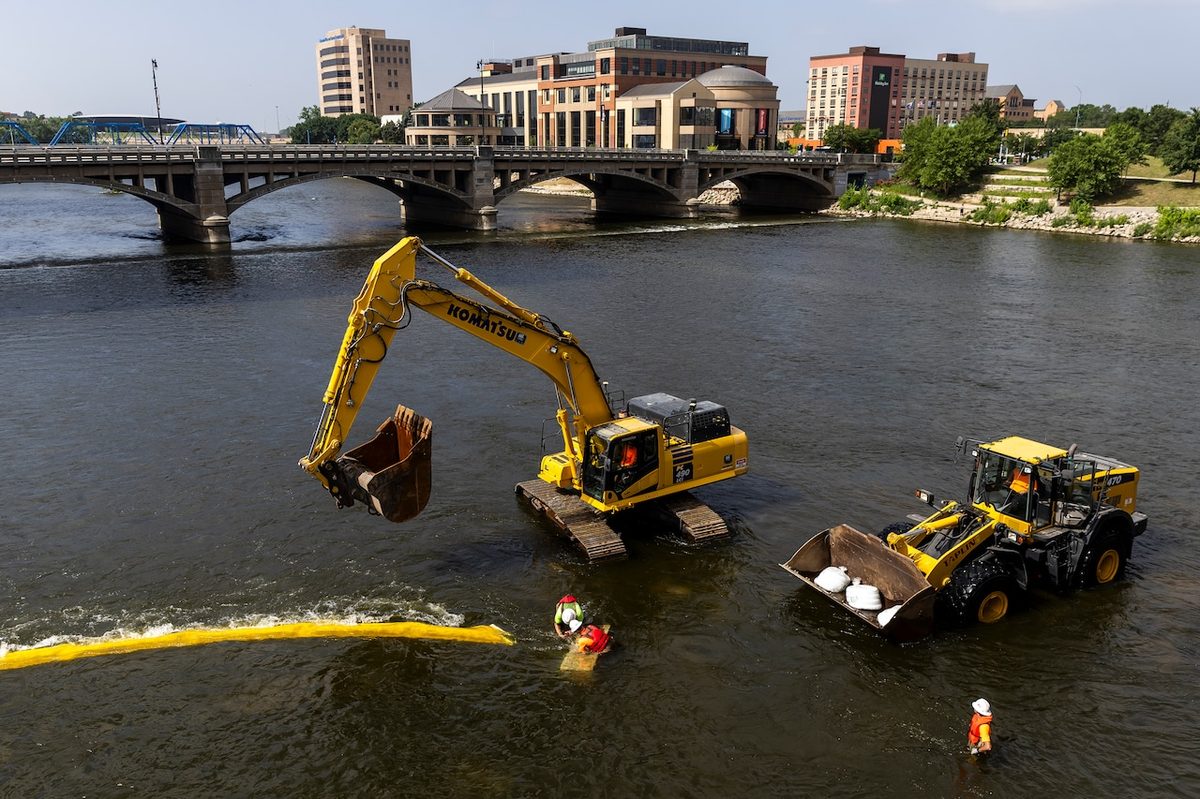
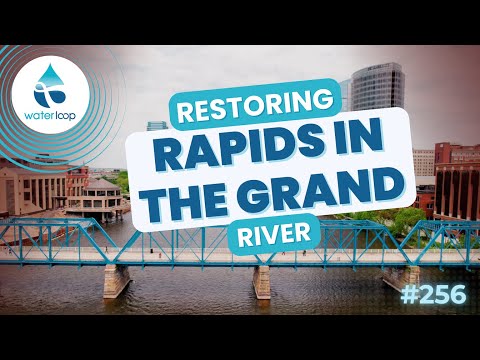
Heavy machinery entered the Grand River on July 1, 2026, starting a two-year project to remove four low-head dams and restore the rapids that gave Grand Rapids its name. The work follows 18 years of planning, permitting, and fundraising by the city and Grand Rapids Whitewater.

When complete, the project will replace the dams with boulder arches, riffles, and habitat boulders across 30 acres of river corridor. It's designed to improve fish passage for native species like lake sturgeon and eliminate the dangerous hydraulics that low-head dams create.

Why it matters

The project removes four dangerous low-head dams and restores fish passage and recreation access to a 2,887-foot stretch of the Grand River.

Questions about this story

Free account needed to ask — your question is kept and asked for you right after sign-up. Answers are public.

No questions yet — be the first to ask.

Key Indicators

$14.56M
Construction contract
City of Grand Rapids contract with Taplin Inc. for lower reach construction
4
Low-head dams to be removed
Dams between Bridge Street and Fulton Street bridges
30
Acres of river corridor enhanced
Habitat improvements across the project area
18
Years of planning
Project planning began around 2008

Voices

Curated perspectives — historical figures and your fellow readers.

Ever wondered what historical figures would say about today's headlines?

Sign up to generate historical perspectives on this story.

People Involved

Organizations Involved

Timeline

August 2024 September 2026

8 events Latest: Today
Tap a bar to jump to that date
  1. Phase one of restoration project underway

    Today Status

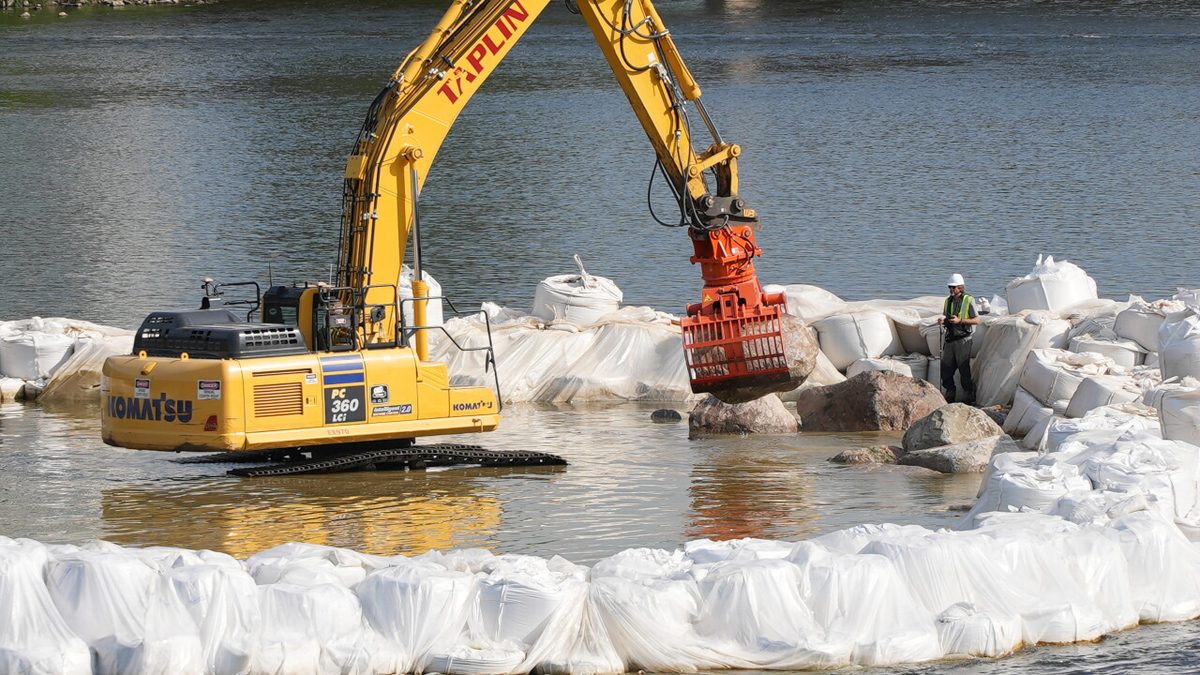
    Construction crews continue work on the lower reach, removing dams and installing rock features.

  2. In-river construction begins; dam removal starts

    Construction

    Crews enter the river to begin removing four low-head dams between Bridge Street and Fulton Street.

  3. Construction mobilization begins at Ah-Nab-Awen Park

    Construction

    Crews set up staging area and access point for equipment.

  4. City issues construction contract to Taplin Inc.

    Contract

    City awards $14.56M construction contract for lower reach project.

  5. NRCS issues Finding of No Significant Impact

    Regulatory

    Federal agency determines project won't have significant environmental impacts.

  6. EGLE issues final construction permit

    Regulatory

    Final state permit clears the way for construction.

  7. Michigan EGLE issues draft construction permit

    Regulatory

    State environmental agency releases draft permit for public comment.

  8. US Fish and Wildlife Service issues Biological Opinion

    Regulatory

    Agency determines project won't jeopardize endangered snuffbox mussel, outlines conservation measures.

Scenarios

1

Rapids return to Grand River as project completes on schedule

Likely Resolves by End of 2027

Discussed by: City of Grand Rapids, Grand Rapids Whitewater

Construction proceeds through 2027, with all four dams removed and replaced by boulder arches, riffles, and habitat boulders. The rapids return to the river for the first time in over a century, and the project finishes by end of 2027 as planned.

2

Grand River restoration delayed, completion slips to 2028

Possible Resolves by End of 2027

Discussed by: Construction industry observers

Weather, high river flows, or discovery of unexpected conditions slow the work. The project misses its end-of-2027 target, pushing completion into 2028 or later.

3

Grand River restoration halted by unexpected discovery

Unlikely Resolves by Q2 2027

Discussed by: Environmental regulators

Discovery of contaminated sediment, buried infrastructure, or an endangered species issue forces a work stoppage or redesign. Construction pauses for an extended period while the issue is resolved.

Historical Context

2 moments from history that rhyme with this story — and how they unfolded.

2009-2016

Penobscot River Restoration Project (2009-2016)

Two dams were removed and a third was decommissioned on the Penobscot River in Maine, opening roughly 1,000 miles of habitat for Atlantic salmon and other migratory fish. The project was a partnership between the Penobscot Nation, conservation groups, and dam owners.

Then

Fish passage improved dramatically, with sea-run fish returning to previously blocked habitat.

Now

The project showed how dam removal and fish passage improvements can be combined with energy production changes to benefit both ecology and economy.

Why this matters now

Like the Penobscot project, the Grand River restoration involves multiple partners and aims to restore fish passage while improving public access and recreation.

September 2011 - August 2014

Elwha River dam removal (2011-2014)

The Elwha and Glines Canyon dams were removed from the Elwha River in Washington state, the largest dam removal project in US history at the time. The $325 million project restored 70 miles of salmon habitat.

Then

Salmon returned to the river within months of dam removal. The river began carving a new channel through the former reservoir beds.

Now

The Elwha became a model for dam removal projects worldwide, showing that rivers can recover quickly when dams are removed.

Why this matters now

The Grand River project follows the Elwha model, using dam removal to restore natural river function and fish passage.

Sources

(5)

More from Grand Rapids, MI

Openings, permits and council decisions in Grand Rapids, MI, in your inbox every Monday.