
Pull to refresh
Logo
Trump administration lifts work stoppage on Great Lakes invasive carp barrier

Trump administration lifts work stoppage on Great Lakes invasive carp barrier

Built World Grand Rapids, MI local

Billion-dollar Brandon Road project resumes after Whitmer's call, with juvenile carp 80 miles from Lake Michigan

3 days ago: Stop-work order lifted

Overview

Updated 35 minutes ago

Work is resuming on the $1.15 billion Brandon Road barrier after President Donald Trump lifted a stop-work order on September 3. The reversal followed a direct phone call from Michigan Governor Gretchen Whitmer, who warned that juvenile silver carp had been found 80 miles from Lake Michigan.

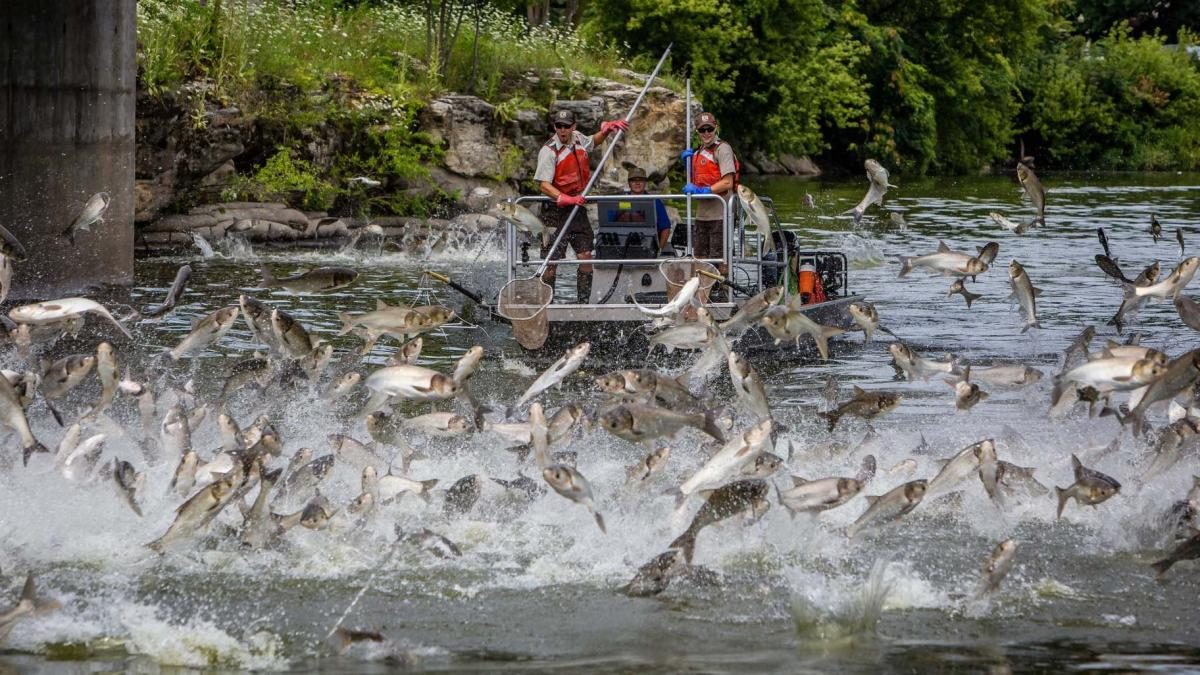
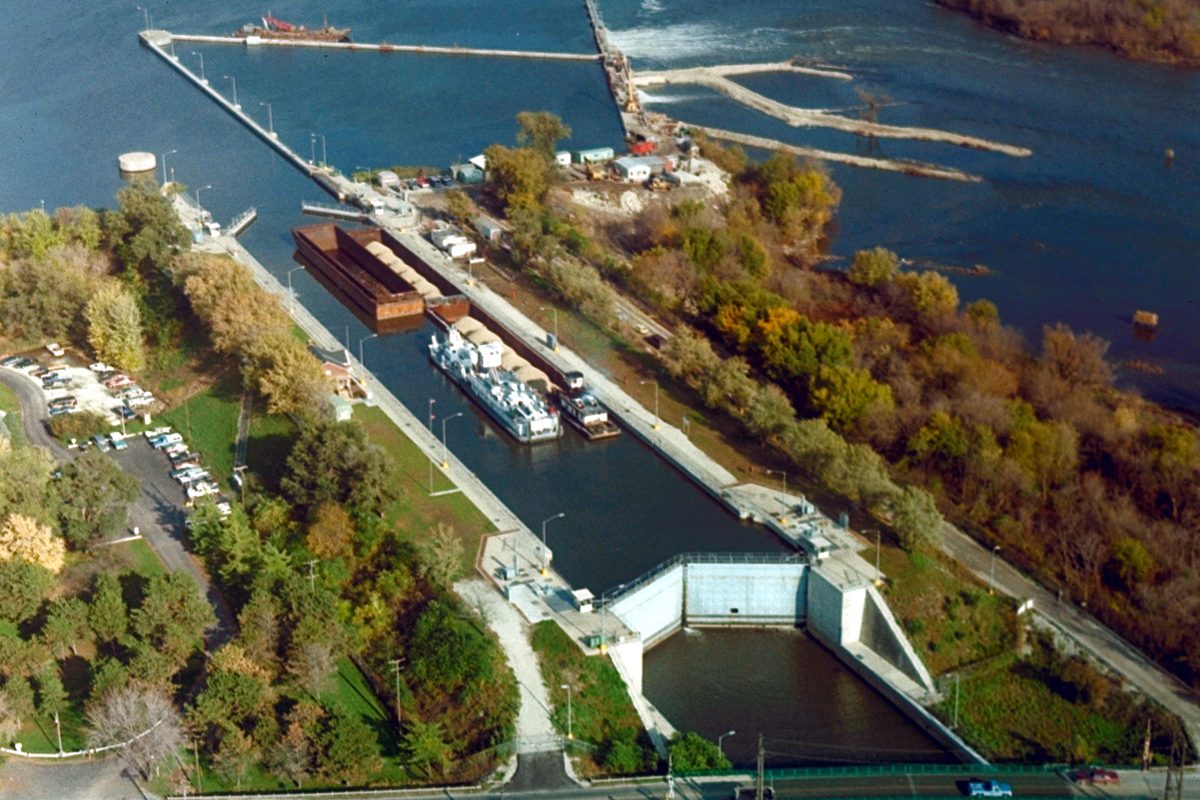
The project layers electric current, underwater sound and air bubbles at a lock southwest of Chicago, the pinch point the carp must pass to reach the Great Lakes. The fish have advanced up the Illinois River for decades, and each delay narrows the margin. Once they establish in the lakes, experts say, there is no getting them out.

Why it matters

If invasive carp reach Lake Michigan, they could disrupt the $5.1 billion Great Lakes fishery permanently.

Questions about this story

Free account needed to ask — your question is kept and asked for you right after sign-up. Answers are public.

No questions yet — be the first to ask.

Key Indicators

$1.15 billion
Project cost
Total cost of the Brandon Road Interbasin Project, shared by the federal government, Michigan and Illinois.
80 miles (129 km)
Distance of juvenile carp from Lake Michigan
Closest ever recorded, from August 2026 monitoring of the Illinois River.
$5.1 billion
Great Lakes fishery value
Annual economic value of the commercial and recreational fishery at risk.
4
Invasive carp species targeted
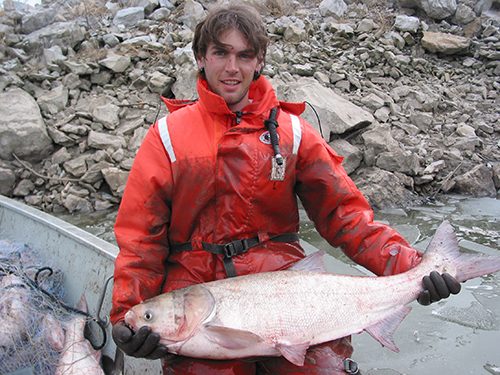
Bighead, silver, black and grass carp, all voracious feeders.

Voices

Curated perspectives — historical figures and your fellow readers.

Ever wondered what historical figures would say about today's headlines?

Sign up to generate historical perspectives on this story.

Play

Exploring all sides of a story is often best achieved with Play.

Most of these play right now — no account needed. Sign up to save scores, keep a streak, and unlock Debate and Predict. Log in Sign Up
Predict 3 ways this could play out. Back the one you believe — contrarian picks score more when a scenario has a resolution date. Log in to play

People Involved

Organizations Involved

Timeline

January 2024 September 2026

9 events Latest: 3 days ago
Tap a bar to jump to that date
  1. Stop-work order lifted

    Latest Resumption

    White House lifts the order; construction is set to resume at the Joliet site.

  2. Pritzker letter, Whitmer call

    Appeal

    Pritzker demands resumption in a letter; Whitmer calls Trump directly.

  3. Juvenile carp found 80 miles from Lake Michigan

    Detection

    Illinois DNR collects small silver carp in the Illinois River, closest ever recorded.

  4. Second work stoppage

    Halt

    Army Corps stops work again; Illinois learns from a contractor, not federal officials.

  5. Work resumes, district shifted

    Resumption

    Construction restarts; authority moves from Rock Island to Detroit District.

  6. First work stoppage

    Halt

    Army Corps halts work for an administrative review.

  7. Trump signs carp barrier memorandum

    Policy

    Trump orders his administration to expedite mechanisms and barriers to keep carp out of the Great Lakes.

  8. Construction begins

    Project Start

    Work starts at the Brandon Road Lock and Dam near Joliet, Illinois.

  9. Funding agreement reached

    Agreement

    Michigan, Illinois and the Army Corps agree to split the cost of the Brandon Road barrier.

Historical Context

3 moments from history that rhyme with this story — and how they unfolded.

2002

Chicago canal electric barrier (2002)

The Army Corps built an electric fish barrier on the Chicago Sanitary and Ship Canal, the first attempt to keep Asian carp from passing from the Mississippi River basin into Lake Michigan.

Then

The barrier slowed but did not stop the carp, which continued advancing up the Illinois River.

Now

It showed a single point of defense can be overwhelmed, prompting the need for the layered Brandon Road system.

Why this matters now

Brandon Road is the next, more comprehensive line of defense against the same advance.

1930s-1950s

Sea lamprey invasion (1930s-1950s)

Sea lamprey, a parasitic, eel-like fish, reached the upper Great Lakes through the Welland Canal. By the 1950s they had devastated lake trout and other large predators, collapsing commercial harvests across Lakes Huron and Michigan.

Then

The Great Lakes Fishery Commission began a permanent chemical and barrier control program that still runs today.

Now

The lamprey was never eliminated, only controlled, setting the precedent that an established invasive species cannot be removed.

Why this matters now

The carp threat is the same: once established in Lake Michigan, experts say the fish are there permanently.

Late 1980s-1990s

Zebra mussel invasion (late 1980s)

Zebra mussels arrived in Great Lakes ballast water around 1988, spread to all five lakes, and clogged water intake pipes while outcompeting native species for plankton.

Then

They altered the food web across the entire system and now require constant upkeep at water facilities.

Now

No removal was ever possible; the mussels remain a permanent part of the ecosystem.

Why this matters now

Advocates cite the mussels when warning that a carp breakthrough cannot be undone.

Sources

(5)