
Pull to refresh
Logo
Grand Rapids approves budget substitution for lead line replacement administrative costs

Grand Rapids approves budget substitution for lead line replacement administrative costs

Built World Grand Rapids, MI local

The city will use $525,410 in leftover capital funds to cover expenses not eligible for reimbursement under an $18 million state loan.

Overview

Updated 39 minutes ago

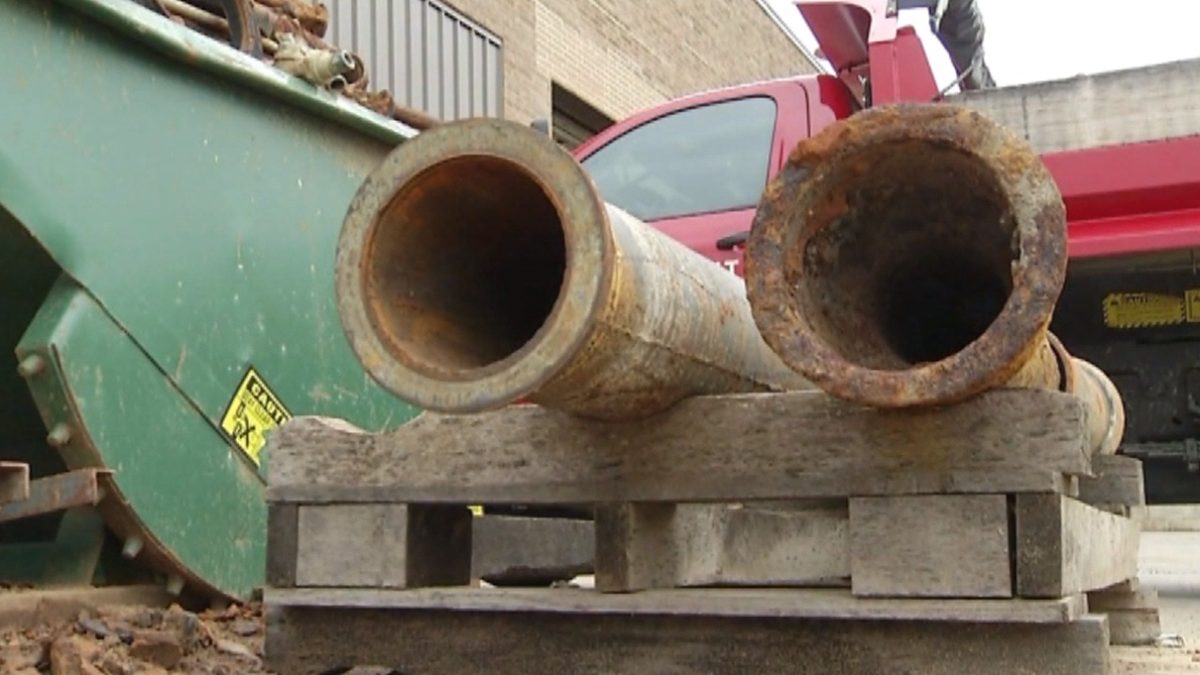
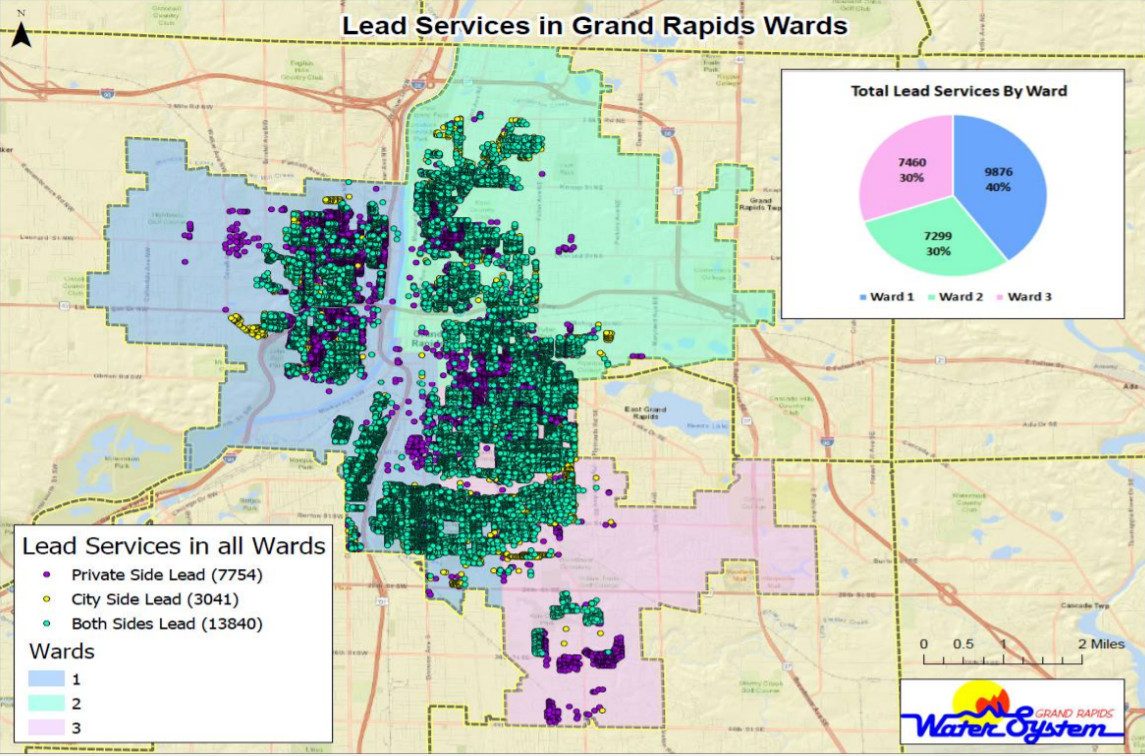
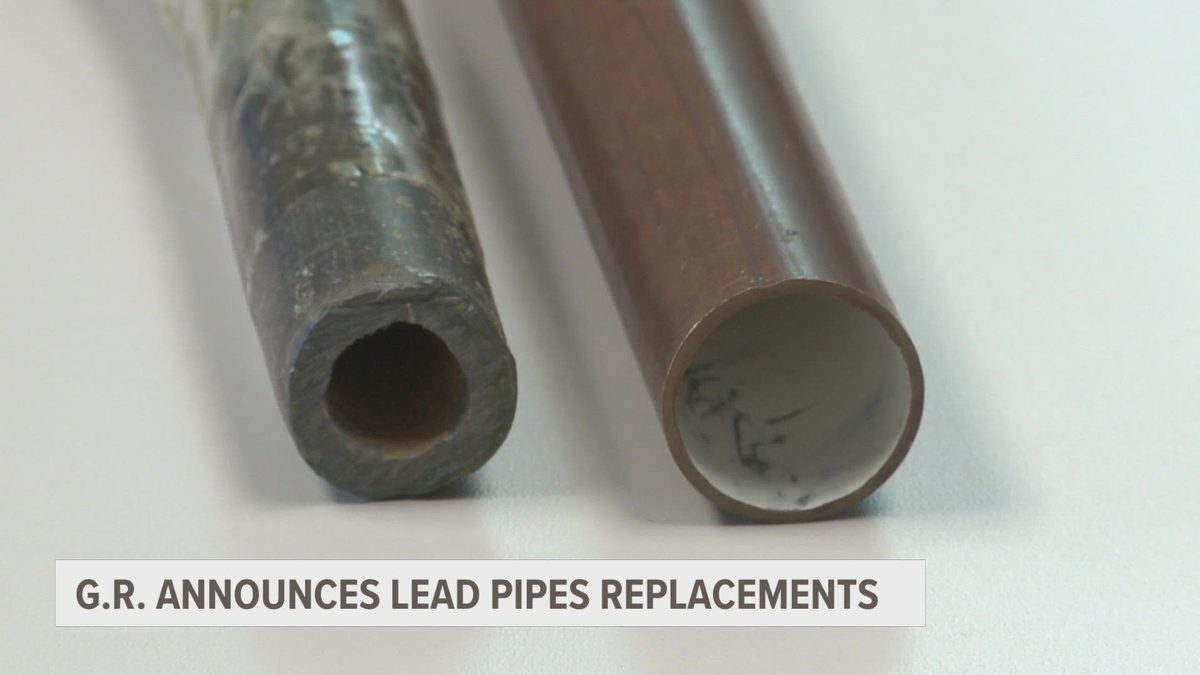
Grand Rapids has been digging up lead water pipes since 2017. On November 10, 2026, the City Commission approved a $525,410 budget substitution to pay for administrative costs tied to its 2025 lead service line replacement projects. The city had already completed the projects, funded in part by an $18 million state drinking water loan approved in June 2025.

But officials later found that expenses like grant administration, accounting, and front-office support were not eligible for reimbursement under the loan. The city will use leftover money from previous water system capital projects to cover the gap, so the Water System's fund balance stays untouched. The move shows how even well-funded infrastructure programs can stumble on the unglamorous parts of the budget.

Why it matters

As cities replace lead pipes, administrative costs can fall outside loan eligibility, forcing local budget shifts.

Last Monday's email for Grand Rapids, MI

Sent Nov 9. It carried:

Get next Monday's: one short email a week. Free. Unsubscribe in one click.

Questions about this story

Free account needed to ask — your question is kept and asked for you right after sign-up. Answers are public.

No questions yet — be the first to ask.

Key Indicators

$525,410
Budget substitution
Amount approved to cover administrative costs for 2025 lead service line projects.
$18 million
State drinking water loan
Loan approved in June 2025 to fund construction of lead service line replacements.
2025
Projects completed
The lead service line replacement projects funded by the loan were already finished.

Voices

Curated perspectives — historical figures and your fellow readers.

Sign up to generate historical perspectives on this story.

People Involved

Organizations Involved

Timeline

2017 November 2026

7 events Latest: 3 days ago
Tap a bar to jump to that date
  1. City Commission approves $525,410 budget substitution

    Latest Budget

    The city uses leftover capital funds to cover administrative costs not eligible for loan reimbursement.

  2. Grand Rapids secures $18 million state loan

    Funding

    The city receives a drinking water loan to fund 2025 lead service line projects.

  3. 2025 lead service line projects completed

    Milestone

    Construction on projects funded by the state loan finishes.

  4. EPA sets 10-year deadline for lead line replacement

    Regulation

    New federal rules require cities to replace all lead service lines within a decade.

  5. State awards $10 million

    Funding

    Michigan provides $10 million to accelerate lead line replacement.

  6. EPA awards $5.1 million grant

    Funding

    The Environmental Protection Agency provides a grant to support lead line replacement.

  7. Grand Rapids begins lead service line replacement

    Program Launch

    The city starts replacing lead water pipes at no cost to property owners.

Scenarios

1

Grand Rapids faces another administrative funding gap for lead line replacement

Possible Resolves by End of 2027

Discussed by: City budget officials

As the city accelerates lead line replacement to meet the EPA's 10-year deadline, more administrative costs may fall outside loan eligibility. The city could need additional budget substitutions from capital funds.

2

State expands loan eligibility to cover administrative costs

Unlikely Resolves by Q2 2027

Discussed by: Water utilities and state officials

After cities like Grand Rapids report gaps, Michigan's EGLE could revise its Drinking Water State Revolving Fund rules to allow administrative costs, making it easier for municipalities to fund the full cost of lead line replacement.

3

Lead line replacement continues without further budget issues

Likely Resolves by End of 2027

Discussed by: City officials

The city's use of leftover capital funds covers the gap, and future projects are structured to avoid similar issues. Replacement stays on schedule.

Historical Context

3 moments from history that rhyme with this story — and how they unfolded.

April 2014 – 2019

Flint water crisis (2014-2019)

Flint switched its water source to the Flint River to save money, but the water was not treated with corrosion inhibitors. Lead from aging pipes leached into the drinking water, exposing thousands of residents to lead. The crisis prompted national attention and federal emergency declarations.

Then

Flint returned to Detroit water, but lead levels remained elevated.

Now

The crisis led to stricter lead regulations and increased funding for lead line replacement nationwide.

Why this matters now

Shows the health consequences of lead pipes and why replacement is urgent. It also highlights the funding and administrative challenges cities face in fixing the problem.

2001-2004

Washington, D.C. lead pipe replacement (2001-2004)

The District of Columbia changed its water treatment, causing lead levels to spike. The city then began partial lead service line replacements, which sometimes increased lead levels. The EPA later required full replacements.

Then

Public outcry and investigations.

Now

The experience informed national policy on lead line replacement, emphasizing the need for full replacements and public education.

Why this matters now

Shows that even well-intentioned replacement programs can face complications, including administrative and funding hurdles.

2019-2021

Newark, New Jersey lead line replacement (2019-2021)

Newark faced elevated lead levels and launched an aggressive program to replace all lead service lines within three years. The city used bonds and grants to fund the multi-million dollar program, prioritizing low-income neighborhoods.

Then

The city distributed filters and bottled water.

Now

Newark completed the replacements ahead of schedule, becoming a model for other cities.

Why this matters now

Demonstrates that rapid replacement is possible with sufficient funding and political will, but also requires careful management of costs.

Sources

(5)