
Pull to refresh
Logo
Grand Rapids lists annual hearing on federal housing spending as funds tighten

Grand Rapids lists annual hearing on federal housing spending as funds tighten

Money Moves Grand Rapids, MI local

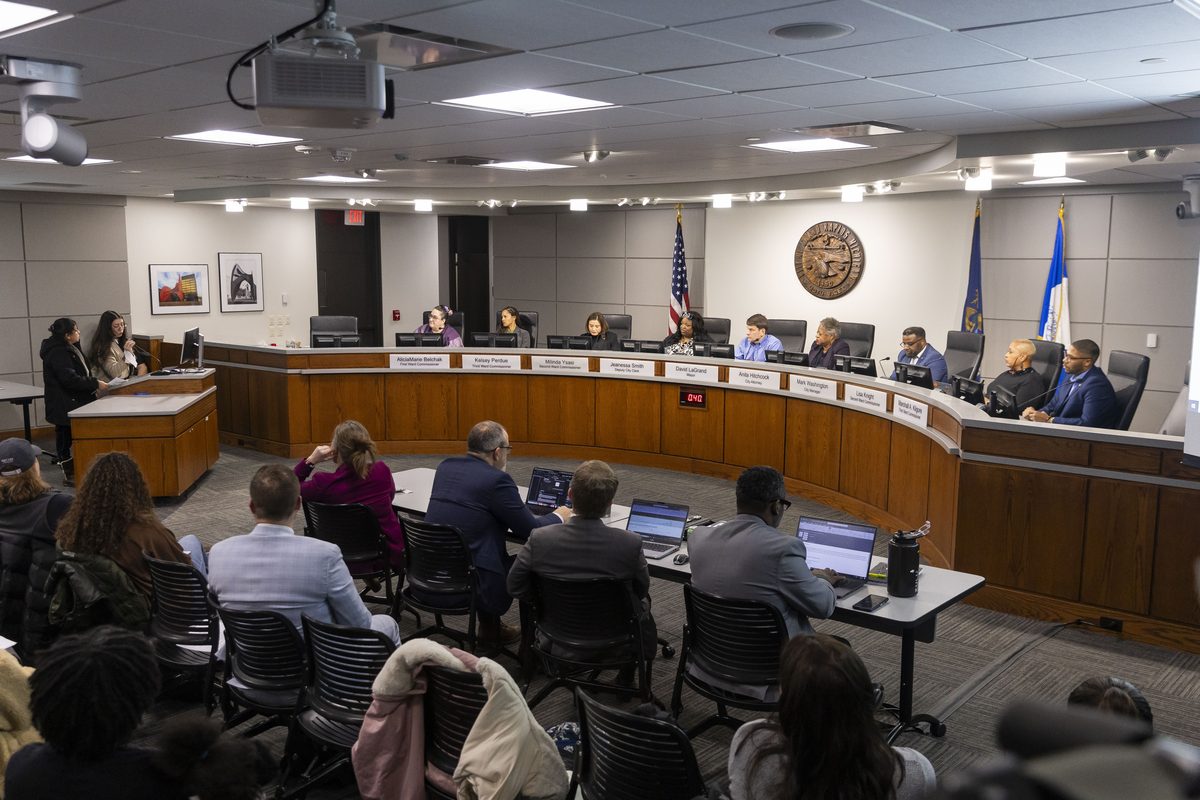
The annual CAPER hearing was on the Sept. 22 City Commission agenda

Overview

Updated Oct 27

Grand Rapids' City Commission agenda for Sept. 22 listed the city's annual public hearing on how it spends federal housing dollars: a review of the past year's work on roughly $8 million in Community Development Block Grant, HOME and Emergency Solutions Grant funds.

Since 1974, HUD has tied that money to an annual report and a public hearing. This year's checkpoint came as the money shrinks: pandemic-era aid is phasing out, and the city's next budget assumes a tighter federal stream. The commission's official proceedings for the Sept. 22 meeting record no action on the hearing.

Why it matters

This hearing is residents' main chance to shape how Grand Rapids spends a shrinking pool of federal housing dollars on shelters, repairs, and homeless services.

Last Monday's email for Grand Rapids, MI

Sent Nov 2. It carried:

Get next Monday's: one short email a week. Free. Unsubscribe in one click.

Questions about this story

Free account needed to ask — your question is kept and asked for you right after sign-up. Answers are public.

No questions yet — be the first to ask.

Key Indicators

$8.2M
Federal community development funding in FY2027 city budget
Combined CDBG, HOME, and ESG dollars the city expects to spend next fiscal year.
$7M
Portion earmarked for homelessness and housing stability
Nearly $7 million of the federal community development funding supports these programs.
$786M
FY2027 adopted total city budget
The commission adopted the $786 million plan on May 19, 2026, a 6.4% increase over FY2026. City Manager Mark Washington's April proposal was $785.4 million.

Voices

Curated perspectives — historical figures and your fellow readers.

Sign up to generate historical perspectives on this story.

People Involved

Organizations Involved

Timeline

July 2025 September 2026

7 events Latest: September 23rd, 2026 · 1 month ago
Tap a bar to jump to that date
  1. Comment period closes

    Latest Public comment

    Written comments due; city compiles input for FFY 2027 planning.

  2. CAPER hearing listed on commission agenda

    Public hearing

    The Sept. 22 agenda listed a hearing on FFY 2025 performance and future housing needs. The meeting's official proceedings record no action on it.

  3. Hearing notice published

    Notice

    City Commission agenda lists the September 22 public hearing on the CAPER.

  4. Public comment period opens

    Public comment

    City invites written comments on draft FFY 2025 CAPER and future needs.

  5. FFY 2025 ends

    Program period

    Covered activities complete; the CAPER covers this 12-month period.

  6. Commission adopts $786M FY2027 budget

    Budget

    The commission adopted a $786 million FY2027 plan, a 6.4% increase over FY2026, with a $207 million general fund and a third straight year of property tax rate cuts.

  7. FFY 2025 begins

    Program period

    City starts spending CDBG, HOME, and ESG allocations for the new federal fiscal year.

Scenarios

1

Grand Rapids adopts FY2027 housing plan with few changes

Likely Resolves by May 31, 2027

Discussed by: City budget documents and past commission practice

The commission holds the hearing as scheduled, collects comments, and adopts a FFY 2027 Annual Action Plan similar to the current one. Homelessness and housing stability programs keep roughly $7 million in federal support.

2

HUD cuts Grand Rapids' allocation, forcing program trims

Possible Resolves by Jul 1, 2027

Discussed by: City Manager Mark Washington's April 2026 budget message

HUD's final FFY 2027 formula allocations come in below current levels, forcing the city to trim CDBG or HOME programs. Washington's budget already warns of federal funding wind-down and shifting priorities as ARPA dollars end.

3

Public hearing deferred from September 22

Deadline passed (Sep 23, 2026)

Discussed by: City's own hearing notice, which notes agenda items can be deferred

The hearing is deferred, withdrawn, or moved, as agenda items sometimes are. The city reschedules the CAPER hearing to a later date, and public comment continues largely by email through the September 23 deadline.

Historical Context

3 moments from history that rhyme with this story — and how they unfolded.

August 1974

Community Development Block Grant launch (1974)

Congress folded several urban renewal and Model Cities programs into formula-based block grants to more than 1,200 communities. The law required an annual report and citizen participation in deciding how funds were used.

Then

Cities got flexible funding but took on new reporting and consultation duties.

Now

That 1974 accountability framework still governs today's CAPER and public hearings.

Why this matters now

This hearing is a direct descendant of the original CDBG bargain: federal money in exchange for local reporting and public input.

1972–1986

General Revenue Sharing phase-out (1972–1986)

Congress created General Revenue Sharing in 1972, sending billions to state and local governments with few strings. The program expired in 1986 and was not renewed, cutting a steady federal revenue stream to cities.

Then

Cities absorbed the lost funds through budget cuts, service reductions, or local tax increases.

Now

It stands as a precedent for how local budgets adjust when federal aid disappears.

Why this matters now

Grand Rapids now faces a similar, if smaller, adjustment as pandemic-era federal aid phases out.

March 2013

Sequestration cuts HUD funds (2013)

Automatic federal spending cuts under the Budget Control Act reduced HUD's budget. Cities saw CDBG and HOME formula grants trimmed for the year.

Then

Cities cut housing and infrastructure projects mid-cycle.

Now

It showed how formula funding can dip sharply based on federal budget mechanics, not local performance.

Why this matters now

Any new federal reduction could hit Grand Rapids' CDBG and HOME allocations the same way.

Sources

(5)