
Pull to refresh
Logo
Greenville completes $1.45 million trail hub at Jackson's Landing

Greenville completes $1.45 million trail hub at Jackson's Landing

Built World Greenville, MI local

Fifty years after a canoe-launch donation, three cycling trails and a water trail meet on the Flat River

Today: Jackson's Landing trail hub completed

Overview

Updated 1 hour ago

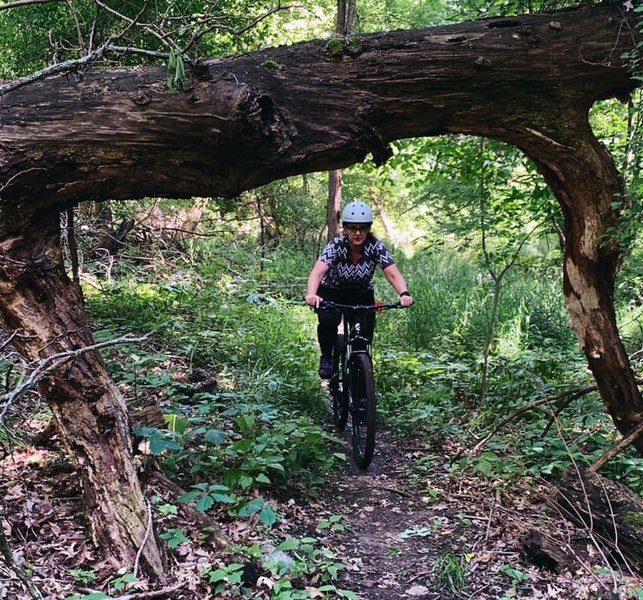
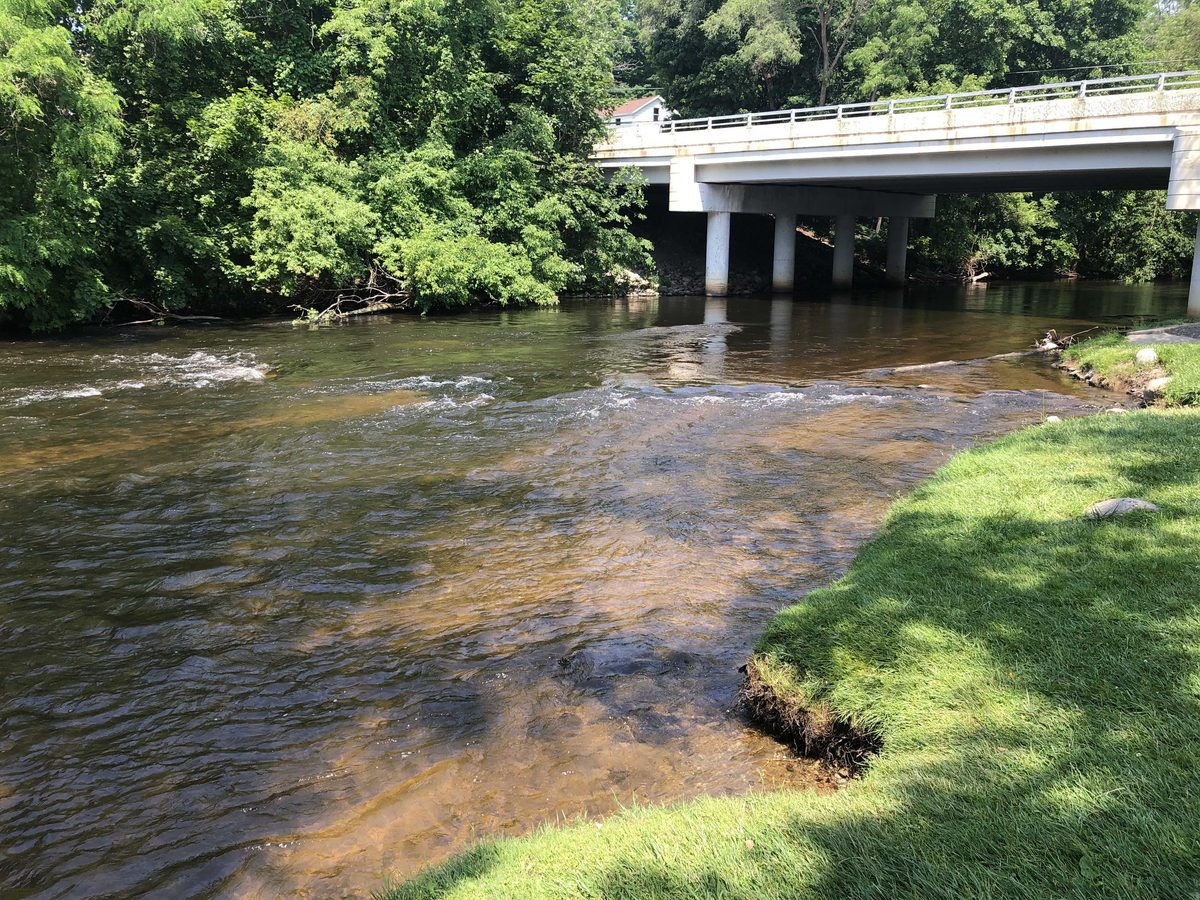
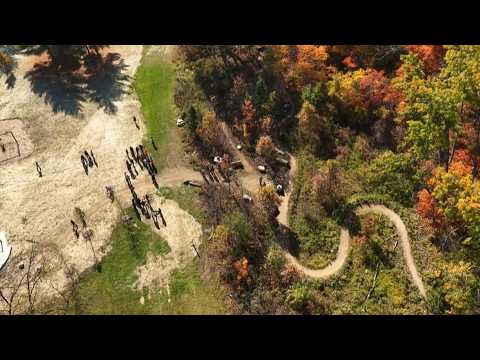
Greenville celebrated the completion of a $1.45 million recreational hub at Jackson's Landing on the Flat River. It ties together three cycling trails and a state-recognized water trail.

The land went to the city 50 years ago as a canoe-launch donation. Rail service through Greenville ended long ago, and the old railroad corridor is now the anchor of the town's trail network.

Why it matters

Greenville's abandoned railroad corridor is now a permanent recreation asset, giving the town a regional draw for cyclists and paddlers.

Monday: what changed in Greenville, MI

One short email a week with the openings, closings, permits and council votes we covered. Free. Unsubscribe in one click.

Questions about this story

Free account needed to ask — your question is kept and asked for you right after sign-up. Answers are public.

No questions yet — be the first to ask.

Key Indicators

$1.45 million
Total project cost
Includes trail connections, the landing area, and water-trail access.
3
Cycling trails connected
Trails converge at Jackson's Landing.
50
Years from donation to completion
The land was donated for a canoe launch in about 1976.
1
State-recognized water trail
A water trail on the Flat River carries state recognition.

Voices

Curated perspectives — historical figures and your fellow readers.

Ever wondered what historical figures would say about today's headlines?

Sign up to generate historical perspectives on this story.

Organizations Involved

Timeline

1976 October 2026

4 events Latest: Today
Tap a bar to jump to that date
  1. Jackson's Landing trail hub completed

    Today Project Completion

    Greenville celebrated the near-$1.45 million recreational destination linking three cycling trails and a state-recognized water trail.

  2. Last rail traffic through Greenville

    Infrastructure

    No trains moved after December 2006, following the Frigidaire plant closure in March of that year.

  3. Grand Trunk Western line abandoned

    Infrastructure

    The Greenville junction tower was removed as the Grand Trunk Western line shut down, ending a major rail presence in town.

  4. Canoe-launch land donated

    Donation

    A small parcel along the Flat River was given to the city for a canoe launch, fifty years before the hub's completion.

Scenarios

1

Jackson's Landing becomes a regional trail destination

Possible Resolves by Oct 24, 2028

Discussed by: The Daily News, city officials

The connected trails and water trail draw cyclists and paddlers from across Montcalm County, lifting visits to downtown Greenville. Success shows up in trail-use counts and new businesses serving trail visitors.

2

Greenville extends the trail network beyond Jackson's Landing

Possible Resolves by Oct 24, 2029

Discussed by: Trail advocates, local grant seekers

The hub becomes a stepping stone. The city or county wins grants to add a new trail segment or a link to a neighboring community, expanding the system that converges at the landing.

3

Jackson's Landing struggles with upkeep and low use

Unlikely Resolves by Oct 24, 2028

Discussed by: Local government observers

Beyond the opening buzz, visits fall flat and the city faces rising maintenance costs for the hub and trails with limited budget. Pressure builds to cut services or delay repairs.

Historical Context

2 moments from history that rhyme with this story — and how they unfolded.

1983

Railbanking law (1983)

Congress amended the National Trails System Act to let railroads transfer abandoned corridors to trail managers while reserving the right to restore rail service. The provision, known as railbanking, became the legal engine for converting idle track into trails.

Then

Hundreds of rail-trails opened across the U.S. over the following decades.

Now

Rail-trails became a standard part of rural and urban recreation planning, with federal and state funding available for conversions.

Why this matters now

Greenville's cycling trails almost certainly came through railbanking, which turned the town's abandoned rail corridors into permanent recreation land.

1986–1990s

Katy Trail State Park, Missouri (1986–1990s)

Missouri converted the abandoned 240-mile Missouri-Kansas-Texas Railroad corridor into a trail, opening the longest rail-trail in the country. It runs through small towns that had lost rail service decades earlier.

Then

The Katy became a national model, drawing hundreds of thousands of visitors a year.

Now

It supports rural economies along its route and demonstrated how rail corridors can anchor small-town recreation.

Why this matters now

It shows the same transformation Greenville is betting on: an idle rail corridor becoming a town's main recreation and tourism asset.

Sources

(2)