

Pull to refresh
Logo
Michigan precinct consolidation reshapes where residents vote

Michigan precinct consolidation reshapes where residents vote

Rule Changes Greenville, MI local

A 2023 state law doubled the maximum precinct size, letting cities like Greenville and Grand Rapids cut costs and move polling places

2 days ago: Greenville sets 2027 consolidation

Overview

Updated 1 hour ago

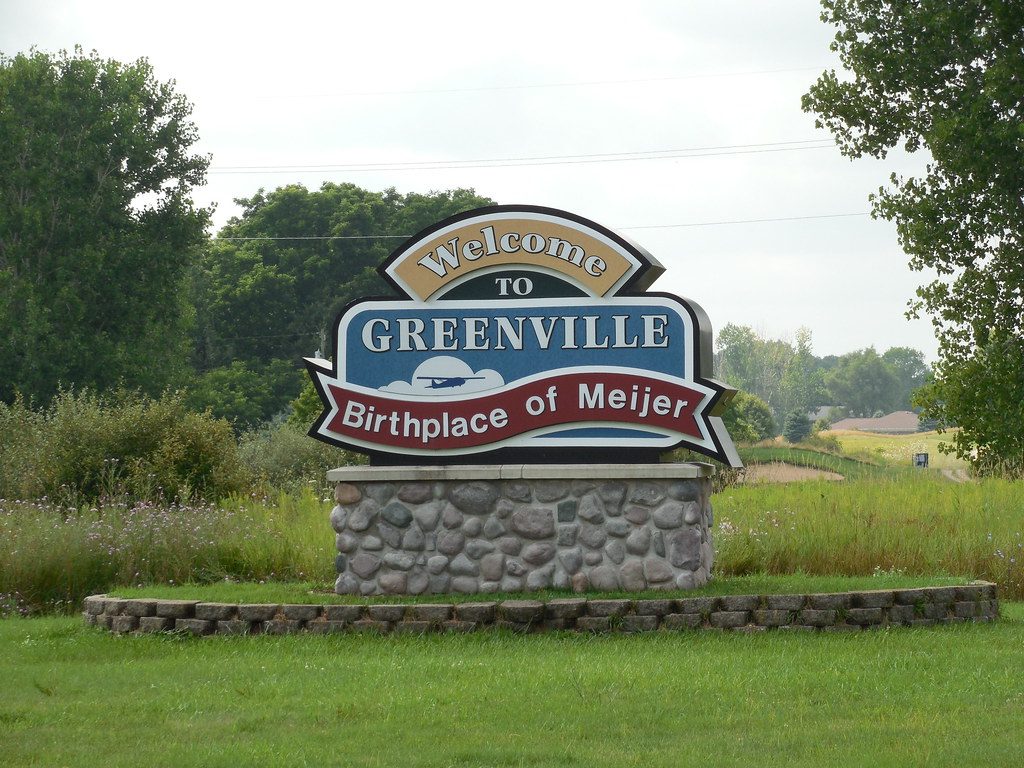
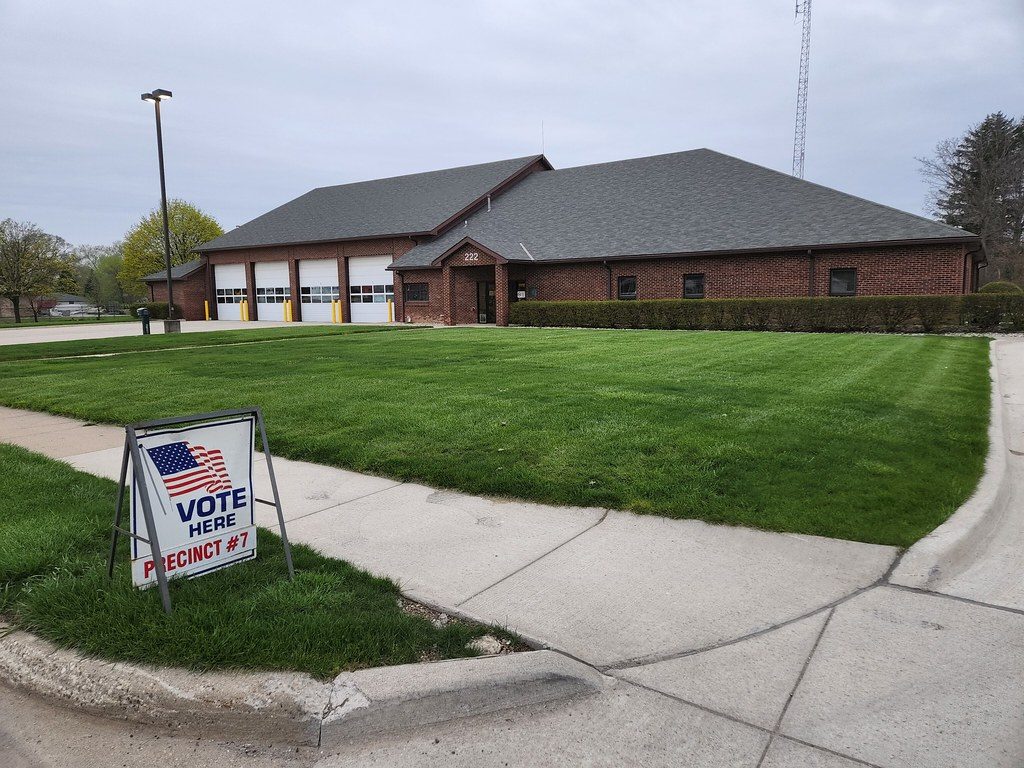
Greenville, Michigan, will cut its four voting precincts to two, starting in 2027. The city joins a statewide wave of consolidation made possible by a law that raised the maximum precinct size from 2,999 voters to 4,999.

The driver is changed voter behavior. Since Proposal 2 passed in 2022, more Michiganders vote by mail or early, so fewer show up at a precinct on Election Day. Fewer precincts mean fewer machines and poll workers, but some voters get reassigned to polling places farther from home.

Why it matters

Thousands of Michigan voters face new polling places and different election-day logistics as cities consolidate precincts under a 2023 state law.

Questions about this story

Free account needed to ask — your question is kept and asked for you right after sign-up. Answers are public.

No questions yet — be the first to ask.

Key Indicators

4,999
Maximum voters per precinct under Michigan's new law
Raised from 2,999 voters to allow broader consolidation.
74 → 59
Grand Rapids precincts
Michigan's second-largest city is cutting its total by 15.
4 → 2
Greenville precincts
The city's four precincts consolidate into two by 2027.

Voices

Curated perspectives — historical figures and your fellow readers.

Ever wondered what historical figures would say about today's headlines?

Sign up to generate historical perspectives on this story.

Play

Exploring all sides of a story is often best achieved with Play.

Most of these play right now — no account needed. Sign up to save scores, keep a streak, and unlock Debate and Predict. Log in Sign Up
Predict 3 ways this could play out. Back the one you believe — contrarian picks score more when a scenario has a resolution date. Log in to play

People Involved

Organizations Involved

Timeline

November 2022 September 2026

5 events Latest: 2 days ago
Tap a bar to jump to that date
  1. Greenville sets 2027 consolidation

    Latest Announcement

    Greenville says its four precincts will consolidate into two in 2027; shared tabulators and an absent-voter board debut November 2026.

  2. Votebeat maps the statewide shift

    Reporting

    Report details Grand Rapids cutting to 59 precincts from 74 and Livonia dropping to 26 from 44.

  3. First consolidated precincts run statewide

    Election

    Some Michigan communities run consolidated precincts for the November general election; others wait to avoid confusing voters.

  4. State law raises precinct cap

    Legislation

    New law takes effect allowing up to 4,999 voters per precinct, up from 2,999, enabling wider consolidation.

  5. Michigan voters pass Proposal 2

    Ballot Initiative

    Voters approve no-excuse absentee voting, early in-person voting, and ballot drop boxes, enshrined in the state constitution.

Historical Context

3 moments from history that rhyme with this story — and how they unfolded.

2013–2014

Colorado vote centers and mail voting (2013–2014)

Colorado shifted to universal mail voting and replaced precinct polling places with a smaller number of county vote centers. The move cut costs and created more flexible voting options.

Then

Turnout remained stable and the model became a template for other states.

Now

Colorado's experience showed that consolidation works when early and mail voting are already widely adopted.

Why this matters now

Michigan is following the same logic, but after only a few years of early voting adoption rather than a generation of mail voting.

November 2018

Michigan Proposal 3 (2018)

Michigan voters approved a ballot measure creating automatic and same-day voter registration, straight-ticket voting, and other expansions. It was the state's first major shift toward wider access under then-freshman Secretary of State Jocelyn Benson.

Then

Registration rolls grew and absentee voting became easier.

Now

It set the pattern for Proposal 2 in 2022, whose lower Election Day turnout now makes precinct consolidation feasible.

Why this matters now

The access expansions voters chose are the reason consolidation is possible, a connection clerks say voters often miss.

January–June 2020

Georgia polling place closures (2020)

Fulton County and other Georgia jurisdictions cut hundreds of polling places before the 2020 primary. Long lines and machine failures followed, and civil rights groups sued, alleging the closures disproportionately affected Black voters.

Then

Georgia extended voting hours and added machines after a court order and public outcry.

Now

The episode made polling place access a national issue and pushed states to audit how closures affect turnout.

Why this matters now

Shows what can go wrong when cities reduce physical voting locations without planning, the risk Greenville and Grand Rapids are trying to manage.

Sources

(3)