Anchor

New European guidelines urge every heart patient to be tested for kidney disease
Rule ChangesFirst joint ESC-ERA guidelines target the two-way cycle in which heart and kidney disease accelerate each other
Yesterday: Coverage frames the 'heart-kidney cycle' story for wide audiencesNew here? Follow stories to track developments over time. Create a free account to get updates when stories you care about change.
Overview
Updated 57 minutes agoIn European medicine, the heart and kidney have been treated as separate problems. The first-ever joint guidelines from the European Society of Cardiology and the European Renal Association now treat them as one system that damages itself in a two-way cycle: kidney disease accelerates heart disease, and heart disease accelerates kidney failure.
The guidelines recommend that every patient diagnosed with cardiovascular disease get two cheap, routine tests: a blood test for estimated glomerular filtration rate, and a urine test for albumin-to-creatinine ratio. The goal is earlier detection of chronic kidney disease, a condition affecting roughly 100 million Europeans, so proven treatments can slow both diseases.
The treatment core is early use of RAS inhibitors, SGLT2 inhibitors, and statin-based therapy, all validated in recent trials to slow kidney decline and cut cardiovascular events. Catching the kidney disease patients do not know they have is the first step to getting them those drugs.
Why it matters
100 million Europeans with chronic kidney disease could be diagnosed years earlier if routine heart care adds two simple tests.
Questions about this story
Free account needed to ask — your question is kept and asked for you right after sign-up. Answers are public.
No questions yet — be the first to ask.
Key Indicators
100 million
Europeans estimated to have chronic kidney disease
ESC estimates about 100 million people in Europe live with CKD.
2
Routine screening tests recommended for heart patients
Blood eGFR and urine albumin-to-creatinine ratio, both simple and inexpensive.
First-ever
Joint ESC-ERA cardiovascular-kidney guidelines
First dedicated ESC guidelines on CVD with CKD, published August 2026 in the European Heart Journal.
Related Media
Logo ERA European Renal Association
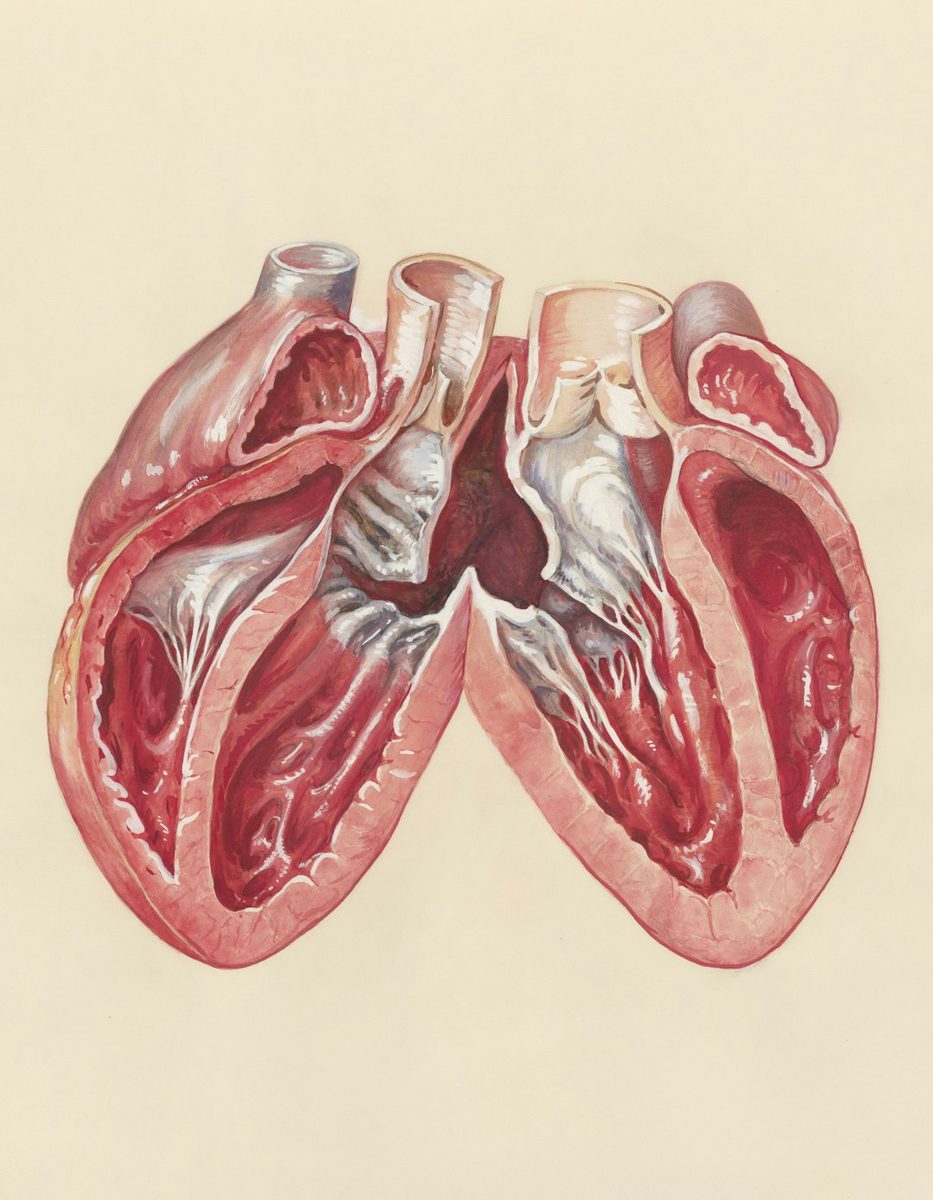
Title: Cross section of the heart Creator: Wetselaar, H.G, (1926-) Date: 1950/1990 Providing institution: Universitaire Bibliotheken Leiden Aggregator: Dutch Collections for Europe Providing Country: Netherlands Public Domain Cross section of the heart by Wetselaar, H.G, (1926-) - Leiden University Libraries, Netherlands - Public Domain. https://www.europeana.eu/item/744/item_3461532
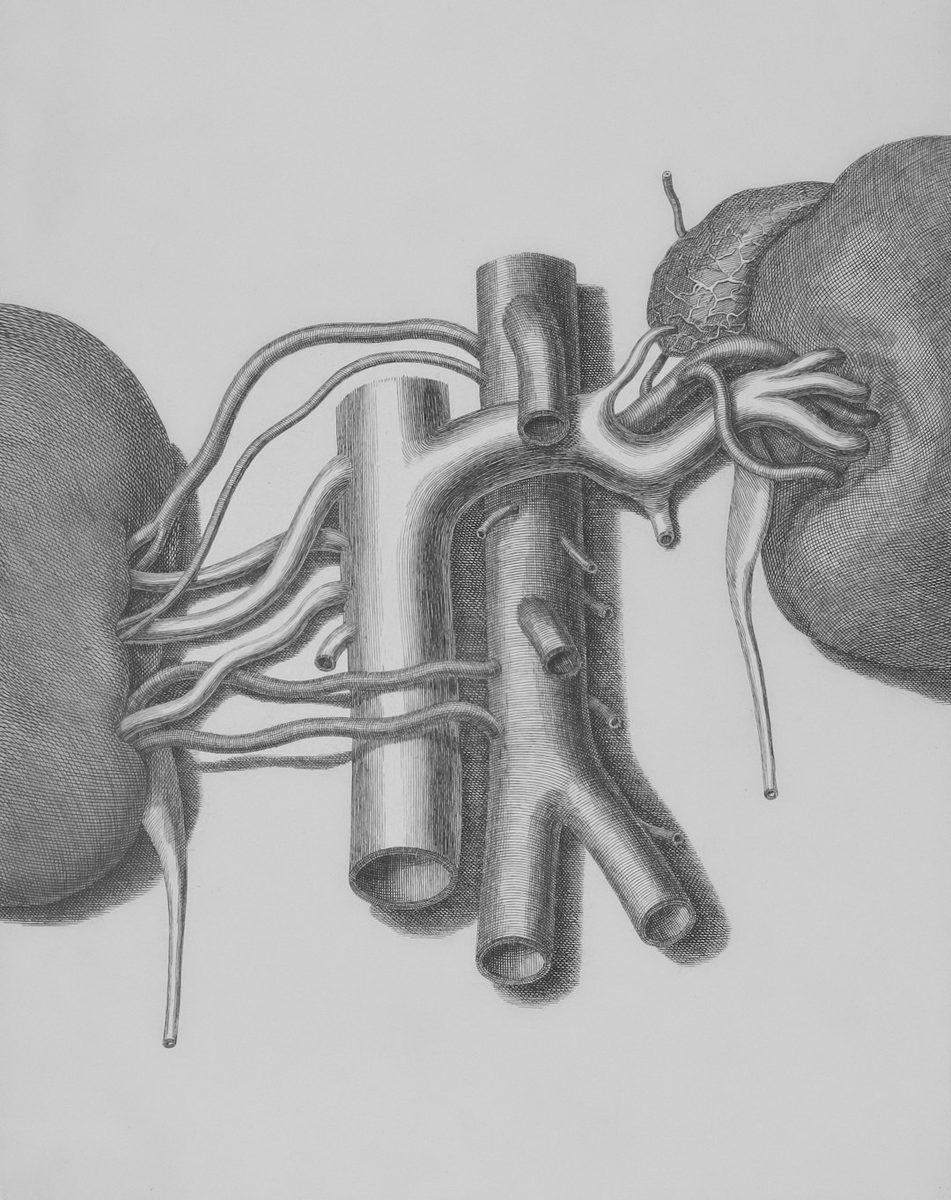
Title: Kidneys and arteries Creator: Date: 1700/1850 Providing institution: Universitaire Bibliotheken Leiden Aggregator: Dutch Collections for Europe Providing Country: Netherlands Public Domain Kidneys and arteries - Leiden University Libraries, Netherlands - Public Domain. https://www.europeana.eu/item/744/item_3460758
771 views
3:37
New 2026 #ESCGuidelines for the Management of ...
European Society of Cardiology
890 views
3:12
The 2026 ESC CKD Guidelines: What Will Change in Clinical ...
Radcliffe Cardiology
4.1K views
20:24
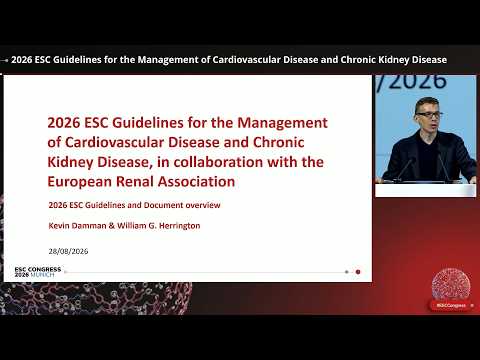
2026 ESC Guidelines for the Management of ...
Deutsche Gesellschaft für Internistische Intensivmedizin und Notfallmedizin (DGIIN)
Images from Openverse under Creative Commons licenses. Videos from YouTube.
Voices
Curated perspectives — historical figures and your fellow readers.
Play
Exploring all sides of a story is often best achieved with Play.
Most of these play right now — no account needed. Sign up to save scores, keep a streak, and unlock Debate and Predict.
Log in
Sign Up
Higher or Lower
A number from this story, against one from elsewhere in the news — guess which is bigger, then keep the chain going. 5 rounds, 3 strikes; a miss costs a strike and resets your streak.
Example
Anchor
EU tariff revenue
$52B
Big for this kind of number
Mystery
Pentagon AI contract
?
Round 1
Streak: 0
Mystery
?
Keyboard: ↓/L lower · ↑/H higher
0 pts
Best streak: 0 · Rounds: 0
0 points — sign up to put that on the leaderboard.
Now try on this story
Connections
Sixteen names from the news. Find the four hidden groups of four. Four mistakes max.
Loading today's puzzle…
0/4 groups
Mistakes
Sign up to keep a daily streak — a new puzzle lands every day.
Now try on this story
Exit debate?
Your progress in this debate will be lost.
How it works
- 1 Two AI personas square off on this story.
- 2 You predict who'll win each round — correct picks earn XP.
- 3 One crossfire question is yours to fire. Pick it carefully.
Couldn't generate a topic
Select Your Champions
Choose one persona for each side of the debate
DEBATE TOPIC
Choose personas with different perspectives for a more dynamic debate.
SIDE A (PRO)
Select debater for this side:
No debate personas available right now.
SIDE B (CON)
Select debater for this side:
No debate personas available right now.
VS
Get ready to make your prediction...
Round of
Claim
Evidence
Stakes
Crossfire Answer
Closing Statement
Claim
Evidence
Stakes
Crossfire Answer
Closing Statement
Your Crossfire Question
Generating arguments...
Who's Got This Round?
Make your prediction before the referee scores
The referee scores both sides on
Correct predictions earn +20 XP
· Press 1 or 2 to pick
Evidence
40%
Logic
30%
Detail
20%
Style
10%
Round Results
Your Pick
Not this time
(%)
Overall Score
/10
Your Pick
Not this time
(%)
Overall Score
/10
Set the Crossfire
Pick the question both personas must answer in the final round
Crafting crossfire questions...
Choosing a question earns +10 XP crossfire bonus
🏆
Total XP Earned
Cred Change
Predictions
Debate Oracle! You called every round!
Sharp Instincts! You know your debaters!
The Coin Flip Strategist! Perfectly balanced!
The Contrarian! Bold predictions!
Inverse Genius! Try betting the opposite next time!
XP Breakdown
Base completion
+20 XP
Rounds played ( rounds x 5 XP)
+ XP
Correct predictions ( correct x 20 XP)
+ XP
Crossfire bonus
+10 XP
Accuracy
%
Prediction History
Round
You picked:
✓
✗
Now try on this story
Keep debating to level up your credibility and unlock achievements
People Involved
Organizations Involved
European Society of Cardiology
Medical society
Issued first joint CVD-CKD guidelines
Professional body representing over 100,000 cardiology professionals across Europe.
European Renal Association
Medical society
Co-developer of the new guidelines
Professional body for nephrologists across Europe, founded as the European Dialysis and Transplant Association.
European Heart Journal
Medical journal
Published the new guidelines
Peer-reviewed cardiology journal published by Oxford University Press.
Timeline
August 2026 September 2026
4 events
Latest: Yesterday
Tap a bar to jump to that date
-
Coverage frames the 'heart-kidney cycle' story for wide audiences
Latest MediaNews reports emphasize the two-way damage cycle and the simple blood and urine tests that could break it.
-
ESC press alert circulates on screening advice
MediaScienceDaily and other outlets pick up the recommendation that every heart patient be tested for kidney disease.
-
Guidelines presented at ESC Congress 2026 in Munich
ConferenceTask force chairs Damman and Herrington outline the two-test screening recommendation to attending cardiologists.
-
ESC and ERA publish first joint CVD-CKD guidelines
PublicationEuropean Heart Journal carries new guidelines built on the STAMP-on-CKD framework: screen, triage, address risk, modify treatment, plan services.
Historical Context
3 moments from history that rhyme with this story — and how they unfolded.
2004-2008
Cardiorenal syndrome consensus (2004-2008)
The Acute Dialysis Quality Initiative and later the consensus groups formally defined cardiorenal syndromes: the clinical conditions where acute or chronic dysfunction of one organ induces dysfunction of the other. The definitions gave doctors a shared diagnostic language for a link long observed in practice.
Then
Clinicians gained formal criteria for diagnosing heart-kidney interaction syndromes.
Now
The concept legitimized joint management of the two organs and laid groundwork for cross-specialty guidelines.
Why this matters now
The ESC-ERA guidelines operationalize what the cardiorenal syndrome consensus named two decades ago. The diagnostic link is now embedded in routine screening recommendations for every heart patient.
2019-2023
SGLT2 inhibitor trials (2019-2023)
Trials including DAPA-CKD, EMPA-KIDNEY, and heart failure studies found that SGLT2 inhibitors protected both the kidneys and the heart, cutting kidney decline and cardiovascular events in patients with and without diabetes. RAS inhibitors and statins had long shown similar dual benefits.
Then
A class of diabetes drugs became standard therapy for heart and kidney protection.
Now
The trials provided the evidence base that makes the new ESC-ERA combination-therapy recommendation possible.
Why this matters now
The ESC guidelines lean directly on these trials. The drugs existed before; what changed is the confidence to combine them early in all CVD patients with kidney disease, which is exactly what the new guidance prescribes.
2026
US CKM syndrome guideline (2026)
The American Heart Association, American College of Cardiology, American Diabetes Association, and American Society of Nephrology issued a joint guideline for cardiovascular-kidney-metabolic syndrome, retiring and replacing the 2013 obesity guideline. It framed obesity, type 2 diabetes, chronic kidney disease, and cardiovascular disease as one interconnected condition.
Then
US clinicians gained a unified framework for treating metabolic, kidney, and heart conditions together.
Now
The guideline established a multi-organ, multi-specialty standard that became the reference for integrated care.
Why this matters now
The same year, on the other side of the Atlantic, the ESC and ERA produced their own joint framework. Both efforts converge on the same conclusion: heart, kidney, and metabolic disease belong to one care pathway, not separate silos.
Sources
(6)Related Stories
EU's EUDAMED medical device database becomes mandatory
Rule Changes
Updated May 28
First FSGS drug hits FDA delay after 8-year clinical journey
Rule Changes
Updated May 21
Mechanical devices challenge diuretics-only approach to acute heart failure
New Capabilities
Updated May 31
Pig kidneys bridge first patients to human transplants
New Capabilities
Updated 5 hours ago
FDA approves AstraZeneca's Etcamah for ESR1-mutated advanced breast cancer
New Capabilities
Updated 2 days ago
FDA shifts to single-study standard for drug approvals
Rule Changes
Updated May 29