Anchor

New heart attack definition corrects decades of under-diagnosis in women
Rule ChangesWorld's four leading cardiology groups agree on first universal definition with sex-specific blood test thresholds
Today: Coverage highlights impact on women's diagnosisNew here? Follow stories to track developments over time. Create a free account to get updates when stories you care about change.
Overview
Updated 1 hour agoFor decades, the blood test for heart attacks used a single threshold for every patient. That threshold caught nearly all men having heart attacks but missed some women, because women naturally carry lower levels of the heart-injury protein troponin. The world's four leading cardiovascular organizations just agreed on the first universal definition of a heart attack, and it corrects that bias.
The new guidelines, presented at the European Society of Cardiology congress in Munich, elevate three heart attack types that are up to ten times more common in women to the same classification tier as clot-caused attacks. They also require sex-specific troponin thresholds in emergency departments. For the first time, spontaneous coronary artery dissection, coronary artery spasm, and coronary embolism will be treated as first-class diagnoses.
Why it matters
Millions of women have had heart attacks missed by tests calibrated to men; the new definition should catch them earlier and save lives.
Questions about this story
Free account needed to ask — your question is kept and asked for you right after sign-up. Answers are public.
No questions yet — be the first to ask.
Key Indicators
3
Heart attack types elevated in classification
Coronary artery spasm, coronary embolism, and SCAD now sit in the same tier as clot-caused attacks.
80%
SCAD cases occurring in women
Spontaneous coronary artery dissection often happens during or shortly after pregnancy.
4
Cardiology organizations that agreed
ESC, ACC, AHA, and WHF signed the first universal heart attack definition.
Related Media
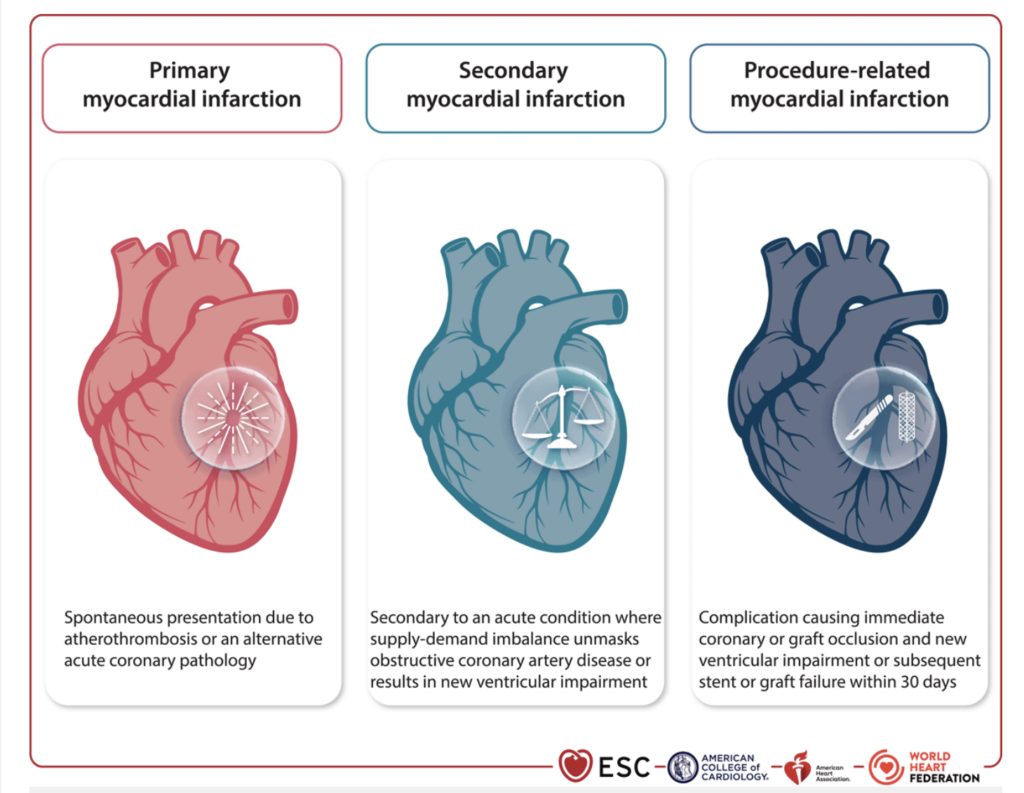
A new definition of heart attack will help improve the diagnosis of women - World Heart Federation | Global Heart Health & CVD Advocacy
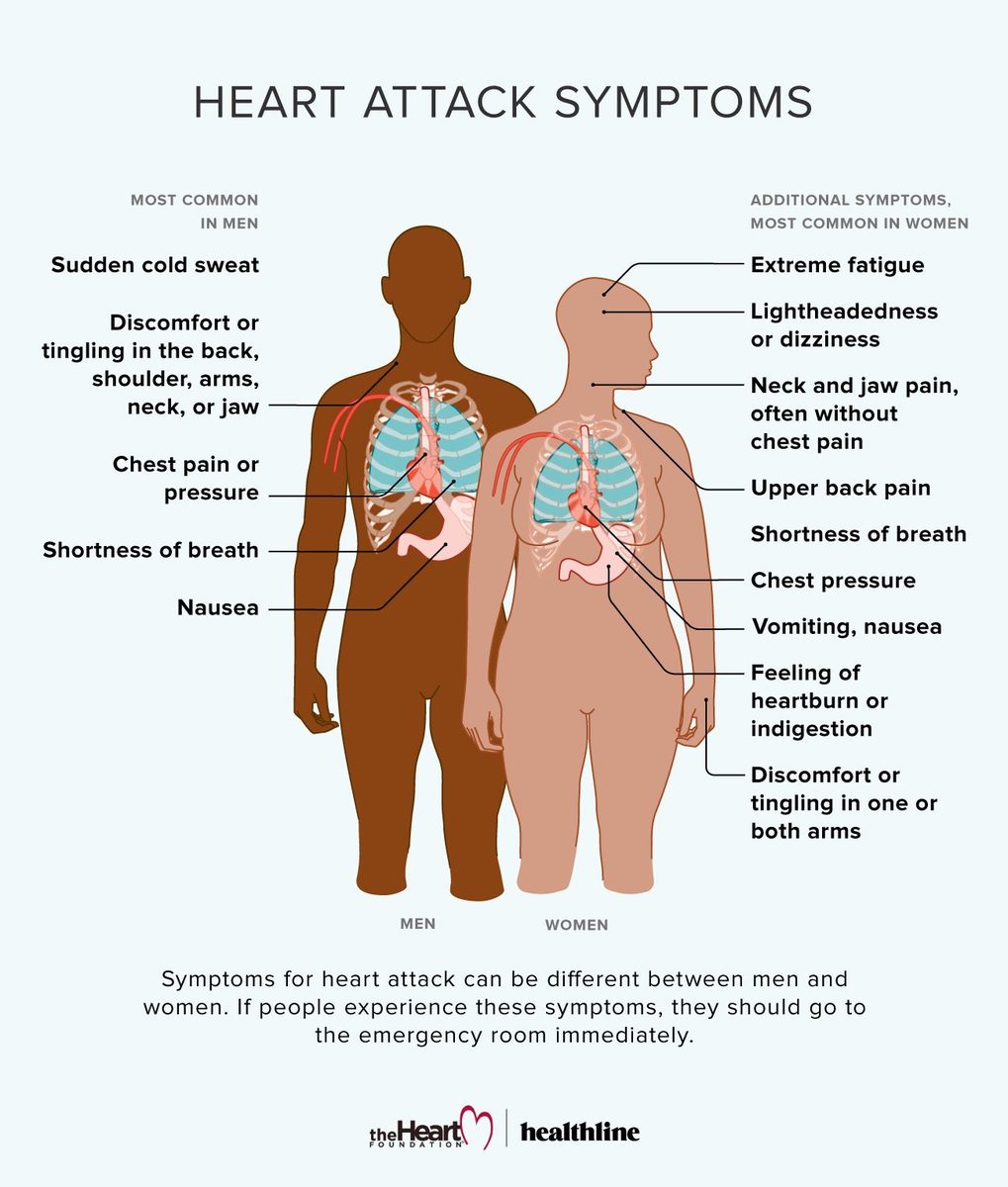
Signs and Symptoms of Heart Attack in Women
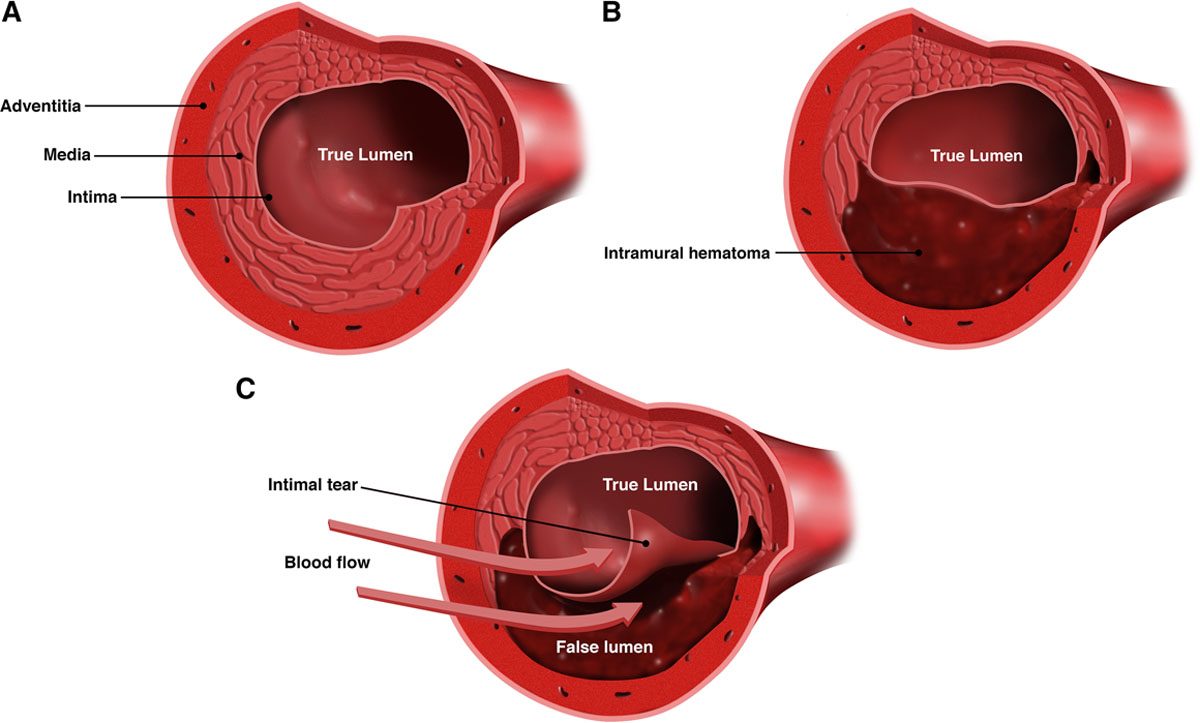
Spontaneous Coronary Artery Dissection: Current State of the Science: A Scientific Statement From the American Heart Association | Circulation
2.0K views
1:21
Global heart groups adopt new definition of heart attacks to ...
CBS19
824 views
2:26
ESC 2026: Fifth Universal Definition of Myocardial Infarction
Radcliffe Cardiology
542 views
5:22
Simple blood test could reveal hidden heart attack and stroke risk
WTAE-TV Pittsburgh
Images from Openverse under Creative Commons licenses. Videos from YouTube.
Voices
Curated perspectives — historical figures and your fellow readers.
Play
Exploring all sides of a story is often best achieved with Play.
Most of these play right now — no account needed. Sign up to save scores, keep a streak, and unlock Debate and Predict.
Log in
Sign Up
Higher or Lower
A number from this story, against one from elsewhere in the news — guess which is bigger, then keep the chain going. 5 rounds, 3 strikes; a miss costs a strike and resets your streak.
Example
Anchor
EU tariff revenue
$52B
Big for this kind of number
Mystery
Pentagon AI contract
?
Round 1
Streak: 0
Mystery
?
Keyboard: ↓/L lower · ↑/H higher
0 pts
Best streak: 0 · Rounds: 0
0 points — sign up to put that on the leaderboard.
Now try on this story
Connections
Sixteen names from the news. Find the four hidden groups of four. Four mistakes max.
Loading today's puzzle…
0/4 groups
Mistakes
Sign up to keep a daily streak — a new puzzle lands every day.
Now try on this story
Exit debate?
Your progress in this debate will be lost.
How it works
- 1 Two AI personas square off on this story.
- 2 You predict who'll win each round — correct picks earn XP.
- 3 One crossfire question is yours to fire. Pick it carefully.
Couldn't generate a topic
Select Your Champions
Choose one persona for each side of the debate
DEBATE TOPIC
Choose personas with different perspectives for a more dynamic debate.
SIDE A (PRO)
Select debater for this side:
No debate personas available right now.
SIDE B (CON)
Select debater for this side:
No debate personas available right now.
VS
Get ready to make your prediction...
Round of
Claim
Evidence
Stakes
Crossfire Answer
Closing Statement
Claim
Evidence
Stakes
Crossfire Answer
Closing Statement
Your Crossfire Question
Generating arguments...
Who's Got This Round?
Make your prediction before the referee scores
The referee scores both sides on
Correct predictions earn +20 XP
· Press 1 or 2 to pick
Evidence
40%
Logic
30%
Detail
20%
Style
10%
Round Results
Your Pick
Not this time
(%)
Overall Score
/10
Your Pick
Not this time
(%)
Overall Score
/10
Set the Crossfire
Pick the question both personas must answer in the final round
Crafting crossfire questions...
Choosing a question earns +10 XP crossfire bonus
🏆
Total XP Earned
Cred Change
Predictions
Debate Oracle! You called every round!
Sharp Instincts! You know your debaters!
The Coin Flip Strategist! Perfectly balanced!
The Contrarian! Bold predictions!
Inverse Genius! Try betting the opposite next time!
XP Breakdown
Base completion
+20 XP
Rounds played ( rounds x 5 XP)
+ XP
Correct predictions ( correct x 20 XP)
+ XP
Crossfire bonus
+10 XP
Accuracy
%
Prediction History
Round
You picked:
✓
✗
Now try on this story
Keep debating to level up your credibility and unlock achievements
People Involved
NM
Nicholas Mills
Professor of Cardiology, University of Edinburgh; Chair of the Fifth Universal Definition task force
Led the international task force that developed the new definition
Bryan Williams
Chief Scientific and Medical Officer, British Heart Foundation
Welcomed the new definition as life-changing for women
CL
Cecilia Marianne Linde
President, European Society of Cardiology (2026-2028)
Presided over ESC Congress 2026 where the definition was announced
Organizations Involved
European Society of Cardiology
Medical Society
Co-developer of the Fifth Universal Definition; host of ESC Congress 2026
Europe's leading cardiovascular medical society, representing more than 100,000 cardiology professionals.
American College of Cardiology (ACC)
Medical Society
Co-developer of the Fifth Universal Definition
U.S. medical society representing cardiovascular professionals.
American Heart Association
Nonprofit Organization
Co-developer of the Fifth Universal Definition
U.S. nonprofit focused on cardiovascular health and research.
World Heart Federation (WHF)
International Federation
Co-developer of the Fifth Universal Definition
International federation of cardiology organizations, leading the global fight against cardiovascular disease.
British Heart Foundation (BHF)
Charity
Supported the new definition; funded research by Nicholas Mills
UK charity funding cardiovascular research and supporting heart disease patients.
Timeline
August 2018 September 2026
3 events
Latest: Today
-
Coverage highlights impact on women's diagnosis
Today MediaReports detail how sex-specific troponin thresholds and upgraded heart attack types correct decades of under-diagnosis in women.
-
Fifth Universal Definition presented at ESC Congress
GuidelineFour leading cardiology organizations agreed on the first universal heart attack definition in Munich.
-
Fourth Universal Definition of MI published
GuidelineEstablished the distinction between myocardial injury and infarction, setting the stage for the Fifth Definition.
Historical Context
3 moments from history that rhyme with this story — and how they unfolded.
2004-present
Go Red for Women campaign (2004)
The American Heart Association launched Go Red for Women to raise awareness that heart disease is the leading killer of women. The campaign highlighted that women were under-diagnosed and under-treated compared to men.
Then
Increased awareness of women's heart disease risk and atypical symptoms.
Now
Raised awareness but didn't change diagnostic criteria, which remained calibrated to men.
Why this matters now
Two decades of awareness campaigns highlighted the problem of under-diagnosis in women, but the new definition is the first structural fix to the diagnostic criteria themselves.
August 2018
Fourth Universal Definition of MI (2018)
The Fourth Universal Definition introduced the distinction between myocardial injury and myocardial infarction, refining diagnostic criteria. It was the first to acknowledge that troponin elevation alone doesn't equal a heart attack.
Then
Clinicians gained clearer guidance on when to diagnose a heart attack versus other causes of troponin elevation.
Now
Set the framework that the Fifth Definition would build on, including the recognition that diagnostic criteria needed refinement.
Why this matters now
The Fifth Definition directly builds on the Fourth, adding sex-specific thresholds and elevating under-recognized heart attack types.
2010s
Recognition of SCAD as a distinct condition (2010s)
Spontaneous coronary artery dissection was historically misdiagnosed or missed entirely. Research in the 2010s established it as a distinct condition predominantly affecting women, often during or after pregnancy.
Then
SCAD became a recognized clinical entity with its own diagnostic criteria.
Now
Its recognition paved the way for its inclusion in the Fifth Universal Definition as a first-class heart attack type.
Why this matters now
SCAD's elevation in the new definition reflects a broader shift toward recognizing that heart attacks have multiple causes, not just the classic clot-based mechanism.
Sources
(9)Related Stories
New European guidelines urge every heart patient to be tested for kidney disease
Rule Changes
Updated 3 days ago
New study finds apoB blood test beats standard LDL screening
New Capabilities
Updated Jul 7
Food quality emerges as key factor in heart health research
New Capabilities
Updated May 29
FDA clears cardiac MRI AI with self-update built in
New Capabilities
Updated 5 days ago
GLP-1 drugs prove they protect the heart
New Capabilities
Updated Aug 29
The blood test revolution in Alzheimer's diagnosis
New Capabilities
Updated Aug 25