




Pull to refresh
Logo
Europe's summer heat waves were deadliest on record, study finds

Europe's summer heat waves were deadliest on record, study finds

New Capabilities

Researchers estimate 50,391 deaths in 854 cities this summer, with most attributed to fossil-fuel-driven warming

Yesterday: Study estimates 50,391 heat deaths, most tied to climate change

Overview

Updated 2 hours ago

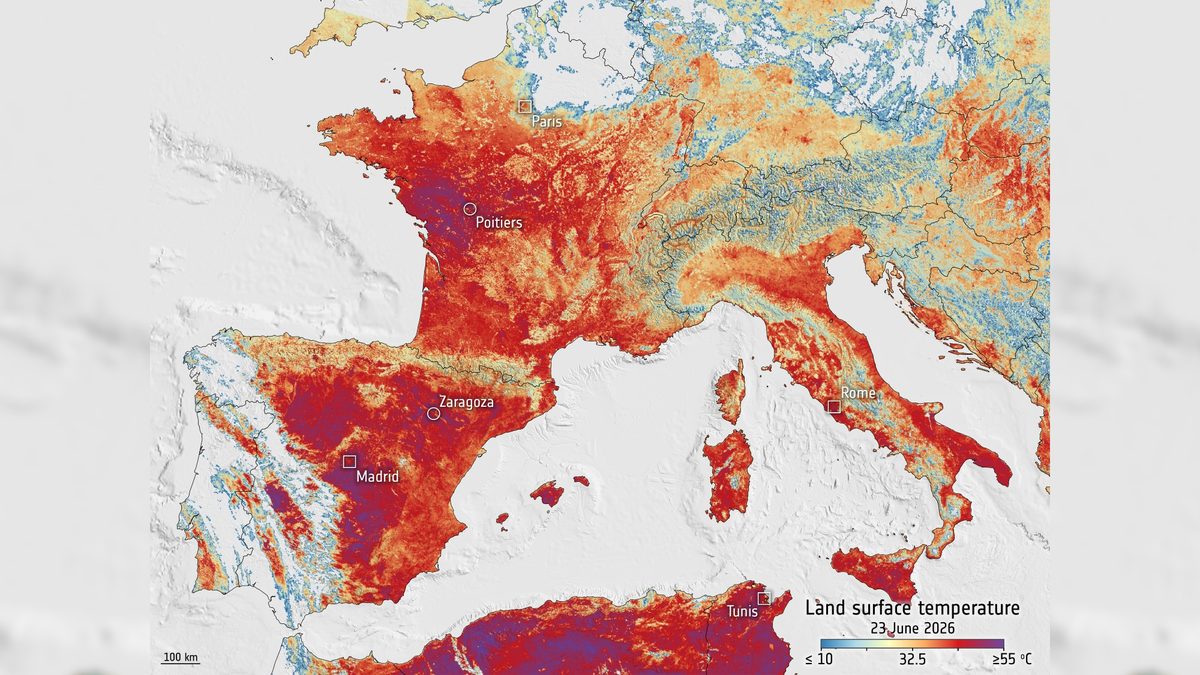
European cities lost an estimated 50,391 people to heat this summer, 71% more than the previous record set in 2022. The continent's deadliest heat season this century ended with Western Europe logging its hottest summer ever recorded.

The estimate comes from two peer-reviewed studies published October 22 in Nature Health by researchers at Imperial College London and the London School of Hygiene & Tropical Medicine. They attribute 32,619 of those deaths, about two-thirds, to climate change caused by burning coal, oil, and gas. The share of heat deaths tied to human-caused warming across the 854 cities rose from 39% in 2000 to 68% in 2025.

Why it matters

Two-thirds of Europe's heat deaths this summer trace to fossil-fuel burning, a toll that will keep rising without deep emission cuts and heat adaptation.

Questions about this story

Free account needed to ask — your question is kept and asked for you right after sign-up. Answers are public.

No questions yet — be the first to ask.

Key Indicators

50,391
Estimated heat deaths in 854 European cities, summer 2026
71% above the prior record of 29,480 in 2022, per the Nature Health studies.
32,619
Deaths attributed to human-caused climate change
About two-thirds of the 2026 toll, per the researchers.
71%
Increase over the previous deadliest summer (2022)
50,391 versus 29,480 deaths in the same 854 cities.
233,626
Heat deaths attributable to climate change, 2000-2025
More than half of the 430,365 total heat deaths across the study period.

Voices

Curated perspectives — historical figures and your fellow readers.

Ever wondered what historical figures would say about today's headlines?

Sign up to generate historical perspectives on this story.

Organizations Involved

Timeline

2003 October 2026

5 events Latest: Yesterday
Tap a bar to jump to that date
  1. Study estimates 50,391 heat deaths, most tied to climate change

    Latest Scientific study

    Nature Health publishes two studies estimating 50,391 deaths, 32,619 from climate change.

  2. Western Europe logs hottest summer on record

    Heat event

    The summer ends as Western Europe's hottest ever recorded and Europe's third-hottest overall.

  3. Heat domes build over Western Europe

    Heat event

    Successive heat domes park over the region, pushing temperatures far above norms.

  4. Summer heat wave sets European record

    Heat event

    Repeated heat waves kill an estimated 29,480 in the same cities, the prior record.

  5. Historic heat wave kills thousands across Europe

    Heat event

    A heat dome kills an estimated 28,462 in the 854 cities later tracked.

Scenarios

1

EU makes heat action plans mandatory

Possible Resolves by Q2 2027

Discussed by: Public health researchers; the Nature Health authors call for locally tailored adaptation planning

The record toll pressures the European Commission and WHO Europe to press member states for binding heat-health plans. France and Italy expand existing systems; Germany and the UK draft new ones. The study authors caution that adaptation alone won't offset rising risk, so emission cuts matter too.

2

Official data confirms or tops the 50,000 estimate

Possible Resolves by Q2 2028

Discussed by: The researchers note government death tolls typically undercount heat-related deaths

Governments record heatstroke directly but often miss cardiovascular and respiratory deaths worsened by heat. As Eurostat and national statistics offices compile causes of death for summer 2026, the confirmed toll could match or exceed the estimate, or fall short if the modeling overcounted.

3

Summer 2027 brings comparable heat mortality

Uncertain Resolves by Oct 31, 2027

Discussed by: The study authors note summers like 2003 are becoming more frequent

With the climate-attributable share of heat deaths rising from 39% in 2000 to 68% in 2025, similar mortality summers grow more likely without major adaptation. A follow-up study would show whether 2027 approaches 2026's toll, testing whether European heat planning is working.

Historical Context

2 moments from history that rhyme with this story — and how they unfolded.

August 2003

European Heat Wave (2003)

A heat dome parked over Western Europe, pushing temperatures past 40°C in Paris and other cities for days. The Nature Health study estimates 28,462 deaths in the 854 cities tracked.

Then

2003 became Europe's benchmark heat disaster, prompting France and other countries to build heat-health early warning systems.

Now

Those plans reduced deaths in later heat waves, but the study shows mortality from extreme heat still climbing as summers warm.

Why this matters now

2003 set the standard against which later European summers were measured, until 2026 exceeded its toll by 77%.

Summer 2022

European Heat Waves (2022)

Repeated heat waves across Europe killed an estimated 29,480 people in the same 854 cities, the previous record in the study's data.

Then

2022's toll was itself a warning sign; the study ranks it the second-deadliest summer.

Now

The climate-attributable share of heat deaths kept climbing, reaching 68% by 2025, up from 39% in 2000.

Why this matters now

2022 was the benchmark before this study; 2026 exceeded it by 71%.

Sources

(7)