




Pull to refresh
Logo
England and Wales begin early release of thousands of prisoners

England and Wales begin early release of thousands of prisoners

Rule Changes

First 700 of 4,500 inmates freed to stop prisons running out of cells

3 days ago: First 700 prisoners released

Overview

Updated 1 hour ago

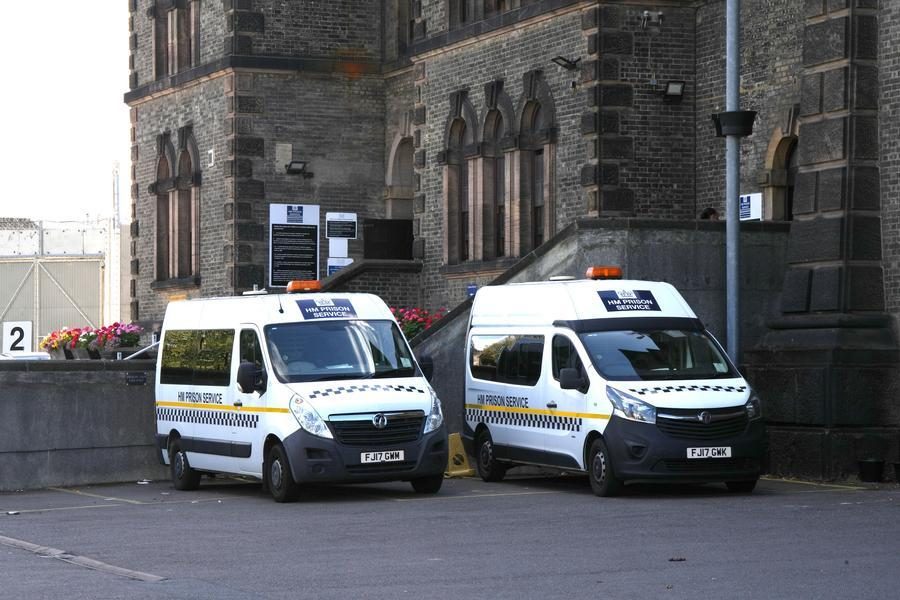
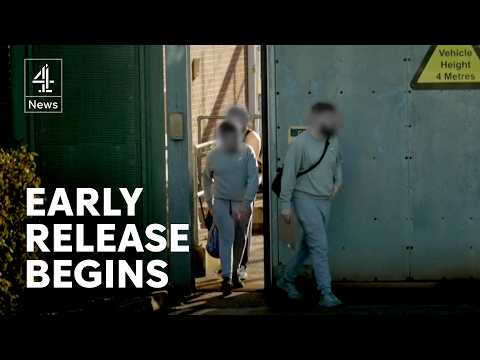
On October 1, 2026, the first 700 prisoners walked out of jails across England and Wales. They are the leading edge of roughly 4,500 inmates the government plans to release over the next year to stop prisons running out of cells.

Under the Sentencing Act 2026, most fixed-term prisoners now leave after one-third of their sentence instead of half, wearing electronic tags and bound by strict licence conditions. The probation service's independent inspector says he is not fully confident the system can cope with the surge.

Why it matters

Released prisoners depend on a probation service its own inspector says may not cope; if it fails, thousands more offenders re-enter the system or reoffend.

Questions about this story

Free account needed to ask — your question is kept and asked for you right after sign-up. Answers are public.

No questions yet — be the first to ask.

Key Indicators

98.2%
Prison capacity reached
Prison population stood at 87,499 in 120 jails in late September 2026.
4,500
Prisoners due for early release
Expected to leave in ten scheduled waves ending June 2027.
700
Released on day one
First wave on October 1, 2026, serving sentences of up to 19 months.
100,000
Projected prison population by 2030
Government projections despite the early release scheme.
51,419
Licence recalls year to March 2026
Up 28% from the previous year; about one in ten for committing another offence.

Voices

Curated perspectives — historical figures and your fellow readers.

Ever wondered what historical figures would say about today's headlines?

Sign up to generate historical perspectives on this story.

People Involved

Organizations Involved

Timeline

October 2023 June 2027

6 events Latest: 3 days ago
Tap a bar to jump to that date
  1. Burnham narrows the scheme

    Policy

    Cuts expected releases to 4,500 and excludes manslaughter and grooming offenses after public pressure.

  2. Labour starts emergency 40% release

    Policy

    On taking power, Labour found virtually no free cells and released offenders at 40% of sentence.

  3. Conservative government launches early release scheme

    Policy

    Freed more than 10,000 prisoners over the following year to ease crowding.

Scenarios

1

Reoffending spike forces scheme suspension

Possible Resolves by Q2 2027

Discussed by: BBC News, victim advocacy groups

A high-profile crime by a released prisoner, or a spike in licence recalls, could push the government to cancel later waves. Recall numbers are already high: 51,419 in the year to March 2026, up 28%. The scheme runs in ten separate waves, so the government could halt it mid-course.

2

Scheme completes but prison population still tops 100,000

Likely Resolves by Jan 1, 2030

Discussed by: Ministry of Justice projections

Government projections show the prison population still rising to roughly 100,000 by 2030 even with early release. If that holds, the scheme has bought time rather than solved the underlying problem. A £7 billion building programme aims to deliver 14,000 extra cells by then.

3

Probation failures force street releases and emergency recalls

Possible Resolves by End of 2026

Discussed by: Martin Jones, HM Inspectorate of Probation, The Guardian

Probation officers in some areas report hostel places are full and fear releasing prisoners straight to the street. Martin Jones, the service's independent inspector, says he is not fully confident the system can manage the influx. If released prisoners lack accommodation or breach conditions, mass recalls could follow.

Historical Context

2 moments from history that rhyme with this story — and how they unfolded.

October 2023 – September 2024

Conservative early release scheme (2023–2024)

Facing full jails, the Conservative government freed more than 10,000 prisoners under a year-long programme. Offenders were released on licence with conditions and could be recalled for breaches.

Then

The scheme eased immediate crowding but did not stop the population from climbing.

Now

It set the precedent for large-scale early release that the current Labour scheme continues.

Why this matters now

The direct predecessor to today's scheme, showing early release alone has not ended the capacity crisis.

July 2024 – September 2024

Labour's emergency 40% release (2024)

On taking office in July 2024, Labour found virtually no free cells across England and Wales. It launched an emergency scheme releasing some offenders at 40% of their sentence rather than 50%.

Then

Averted an immediate shortage of cells that summer.

Now

Led to the permanent Sentencing Act 2026 now in effect.

Why this matters now

The stopgap that evolved into today's permanent early release programme.

Sources

(7)